
Unbiased headlines. Facts, not spin.
Every story is an unbiased news briefing written from 110+ sources across the spectrum — sources linked so you can verify it yourself.
 politics
Notable (6/10)
July 22, 2026 at 08:12 PM
politics
Notable (6/10)
July 22, 2026 at 08:12 PM
Ohio Court Tosses Conviction of Man Who Armed Himself Before Opening Door for Police
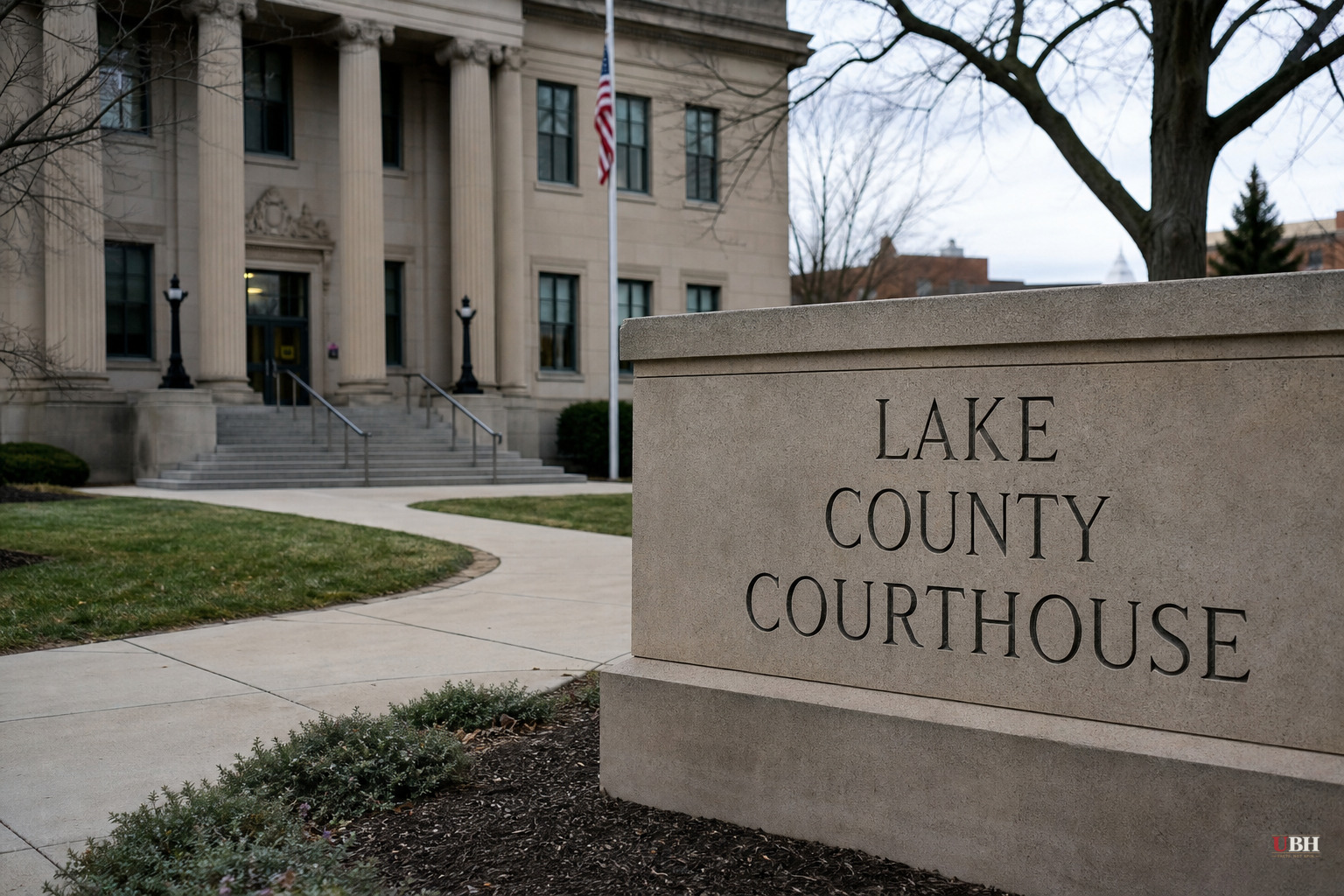
An Ohio appeals court has thrown out the conviction of a man who put on a holstered handgun before opening his front door for police, ruling that jurors should have been told the Second Amendment can shield that decision from an obstruction charge.
The case is State v. Conrad, decided this week by the Ohio Court of Appeals in an opinion by Judge Eugene Lucci, joined by Judges Matt Lynch and Scott Lynch, according to Reason and a case writeup published by law professor Eugene Volokh.
What Happened in Wickliffe
In April 2025, Conrad was living with his girlfriend and their ten-month-old son in his home in Wickliffe, Ohio. The two got into a verbal fight after the girlfriend allegedly damaged Conrad's PlayStation console in the basement.
Conrad called 911. He told the dispatcher he would be armed because police were coming to his house. The dispatcher told him, "Do not pick it up with your hands, okay?" Conrad answered, "Absolutely." He then holstered a handgun on his right hip and went upstairs to wait.
When the first officer walked up, Conrad opened the door himself and immediately said he was armed. The officer said "pardon me" or "excuse me," and Conrad repeated that he had a gun. Seeing the holstered weapon, the officer told Conrad he was going to take it from him.
Conrad initially refused, said "No you're not," and turned his hip away from the officer. He then moved his hand toward the gun, prompting the officer to draw his own firearm. After a loud argument over whether Conrad was allowed to be armed, Conrad raised his hands and told the officer to take the gun. The entire encounter, from the officer entering the home to disarming Conrad, took about 23 seconds.
Afterward, the officer questioned Conrad about why he armed himself. Conrad said he believed men are typically the ones arrested in domestic disputes and he wanted to "eve[n] the playing field" because he didn't trust how officers would treat him. Officers then spoke with the girlfriend, who said Conrad had pushed her and she fell back into a table.
The Charges and the Reversal
Conrad was acquitted of domestic violence but convicted of violating Ohio's obstructing-official-business statute, R.C. 2921.31(A). That law bars a person, "without privilege to do so," from acting with purpose to hamper or impede a public official's lawful duties.
The appeals court found the trial court erred by not instructing the jury that three separate legal protections could establish privilege: the Second Amendment to the U.S. Constitution, Article I, Section 4 of the Ohio Constitution, and R.C. 2923.12(C)(1)(d), an Ohio statute addressing lawful firearm possession. Because the jury was never told it could weigh those protections, the court reversed the conviction.
The Competing Interests Here
The strongest case for treating this as ordinary obstruction is straightforward: officers responding to a domestic violence call don't know what they're walking into, and a man who arms himself specifically because police are en route, then briefly refuses to hand over the weapon and reaches for it during a tense doorway confrontation, is creating real danger for the responding officer in a matter of seconds. Prosecutors and police unions have long argued that officers need clear authority to disarm people during volatile calls without litigating constitutional theory in the moment.
The competing argument is that owning and carrying a legally possessed firearm inside one's own home is a core, enumerated right, not a threat by itself. Conrad had a permit, told the dispatcher and the officer he was armed before any physical contact, and never pointed the gun at anyone. Under Ohio and federal law, merely being armed while lawfully entitled to be doesn't automatically become obstruction just because it makes an officer's job momentarily harder.
The ruling doesn't say officers can't take a gun from someone in a tense domestic call. It says the jury should have been told the law recognizes a right to be armed, and prosecutors had to prove Conrad's conduct crossed the line from lawful gun ownership into unlawful obstruction, not just assume it.
What's Unresolved
The appellate opinion reverses the conviction but doesn't necessarily end the case. Ohio prosecutors could seek further review or retry Conrad with a properly instructed jury weighing the same facts, including his brief refusal to surrender the weapon and his hand motion toward it. Volokh, in his writeup of the decision, noted he "wouldn't recommend" arming yourself before opening the door for police, even if the law may ultimately protect the choice. Whether a retried jury reaches the same conclusion the original one did, convicting on the obstruction count, remains an open question.
Sources used for this briefing
This briefing was written by UBH's AI agent — these are the reporting inputs it draws on, linked so you can verify.


