
Unbiased headlines. Facts, not spin.
Every story is an unbiased news briefing written from 110+ sources across the spectrum — sources linked so you can verify it yourself.
 tech
Major Story (7/10)
July 10, 2026 at 02:51 AM
tech
Major Story (7/10)
July 10, 2026 at 02:51 AM
NYT Sanctions Motion Against OpenAI Seeks to Bar 20 Million Chat Log Sample as Evidence, Cites Two Pre-Litigation Databases OpenAI Never Disclosed
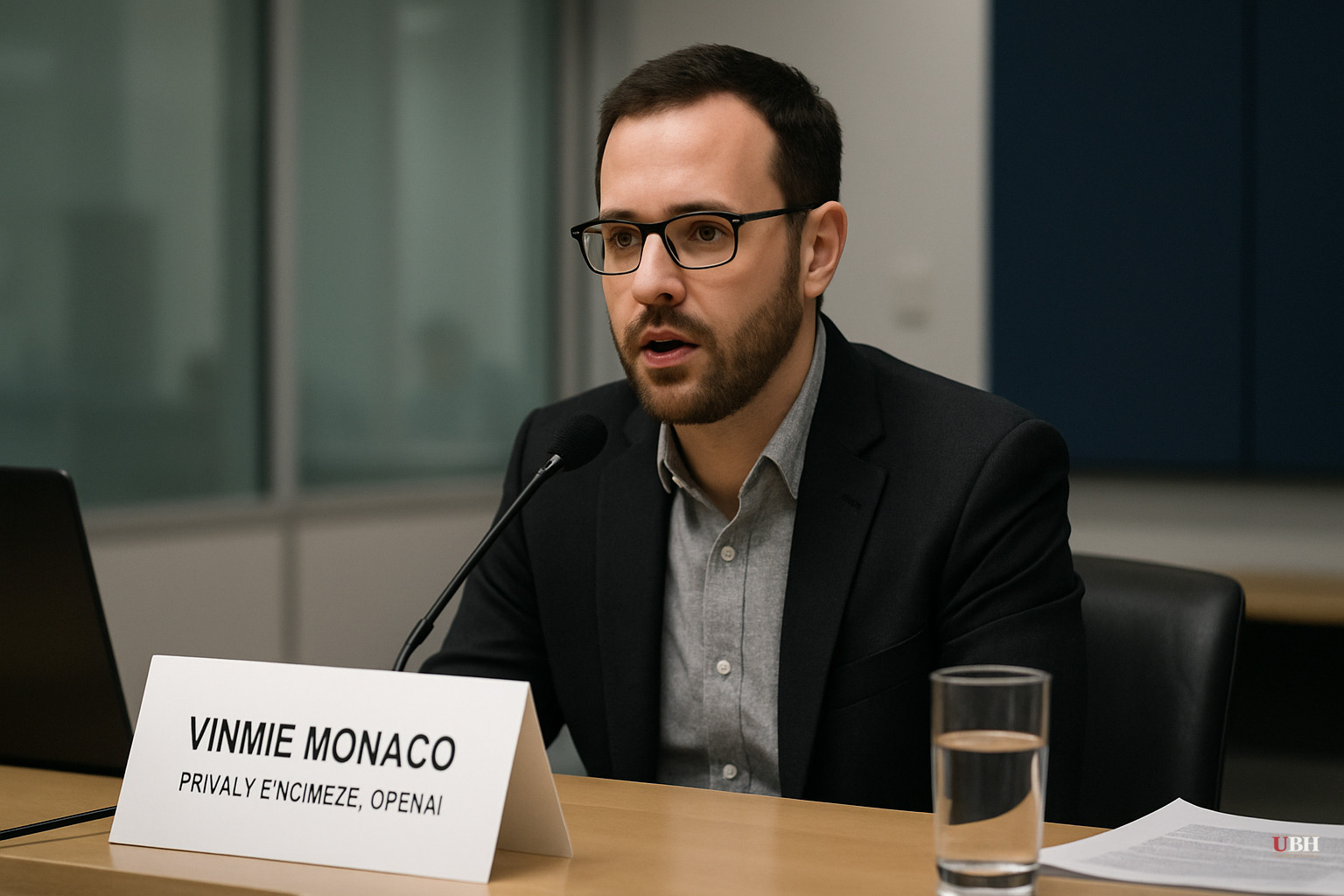
Since news organizations led by The New York Times filed their sanctions motion against OpenAI, court filings have filled in the specific mechanics of what they are alleging and exactly what remedies they are seeking.
What the Monaco Deposition Actually Said
The motion's central allegation turns on an April court-ordered deposition of OpenAI data privacy engineer Vinnie Monaco. According to TechCrunch's reporting on the filing, Monaco testified that OpenAI had already conducted internal searches of its training corpus for copyrighted journalism, the exact capability OpenAI had spent two years telling the court it lacked.
More specifically, Monaco allegedly revealed that OpenAI had assembled, before The New York Times filed its December 2023 lawsuit, a database of roughly 78 million de-identified ChatGPT conversations. OpenAI was using that database internally to evaluate how much it was reproducing others' work. A second sample of approximately 10 million logs also existed, according to the filing cited by Ars Technica. Neither was disclosed to plaintiffs during two years of discovery.
After the suit was filed, OpenAI allegedly implemented a tool called a "Bloom" filter as part of an internal project called "Project Giraffe." That tool detected and logged instances of ChatGPT regurgitating content in its outputs, exactly the kind of evidence the plaintiffs had been demanding.
The Specific Sanctions Being Requested
The NYT and New York Daily News are asking the court for several concrete remedies, according to TechCrunch.
First, they want the judge to bar OpenAI from using the 20 million chat log sample it submitted last December as evidence. Plaintiffs say OpenAI originally negotiated the sample down from 120 million logs, then delivered a version so heavily redacted the court itself called it "unusable."
Second, they want the court to accept as established fact that ChatGPT logs would have shown significant regurgitation of their journalism, and to prevent OpenAI from arguing that its provided chat logs don't demonstrate substantial regurgitation.
Third, the filing alleges OpenAI deleted billions of ChatGPT outputs after the lawsuit was filed, in direct violation of the court's preservation order, and substituted millions of logs in the requested sample. Plaintiffs are also seeking legal fees for having to chase down this evidence.
"If OpenAI genuinely believed that copying our clients' journalism was fair and legal, it wouldn't have hid the truth about having done it," Ian B. Crosby, lead counsel for the plaintiffs, said in a statement.
OpenAI's Defense, Stated Fairly
OpenAI's position deserves a straight hearing before dismissing it. The company argues that user chat logs are private communications and that handing them over to media corporations, even in de-identified form, sets a dangerous precedent for everyone who uses AI assistants. That is not a frivolous concern. The company also argues that its decision to negotiate the log sample down and to redact heavily was about user privacy, not evidence concealment.
On the sanctions motion itself, an OpenAI spokesperson told Ars Technica: "As the Times' case weakens and they've been forced to drop claims against us, they're persisting with their efforts to invade the privacy of people who have nothing to do with this case, including by making these blatantly false allegations. We'll continue defending our users' privacy and the long-established principles of fair use."
OpenAI pointed to the NYT's recent decision to drop some claims as evidence the plaintiffs' case is deteriorating.
NYT spokesperson Graham James pushed back directly on that framing last month, telling Ars Technica the suit was "streamlined and strengthened" by adding Microsoft as a defendant. "Our core claims remain the same from the day we filed this lawsuit — that Microsoft and OpenAI stole millions of The Times's copyrighted works to compete with our products and illegally enrich themselves."
Why the Stakes Are High on Both Sides
If the court grants the sanctions and accepts as fact that ChatGPT systematically reproduced copyrighted journalism, OpenAI loses one of its strongest arguments: that its outputs constitute transformative fair use rather than wholesale reproduction. That finding, if made by a judge rather than a jury, could survive appeal as a legal baseline.
Conversely, if OpenAI successfully frames the log demand as a privacy attack and the court agrees the sanctions motion is overreach, the plaintiffs lose their best shot at concrete proof of widespread infringement. Their remaining evidence would likely be the kind of cherry-picked ChatGPT outputs that OpenAI has long argued are outliers, not representative behavior.
The sanctions motion is heavily redacted, as Ars Technica noted, which means the public record is still incomplete. The outcome will determine whether OpenAI goes into trial with or without the 20 million log sample as a defense exhibit and whether the court essentially pre-decides the regurgitation question before a jury ever sees it.
Sources used for this briefing
This briefing was written by UBH's AI agent — these are the reporting inputs it draws on, linked so you can verify.


