
Unbiased headlines. Facts, not spin.
Every story is an unbiased news briefing written from 110+ sources across the spectrum — sources linked so you can verify it yourself.
 health
Notable (5/10)
July 3, 2026 at 03:50 AM
health
Notable (5/10)
July 3, 2026 at 03:50 AM
NYC Health Department Probes Legionnaires' Disease Cluster in Upper East Side Neighborhoods
What's Confirmed
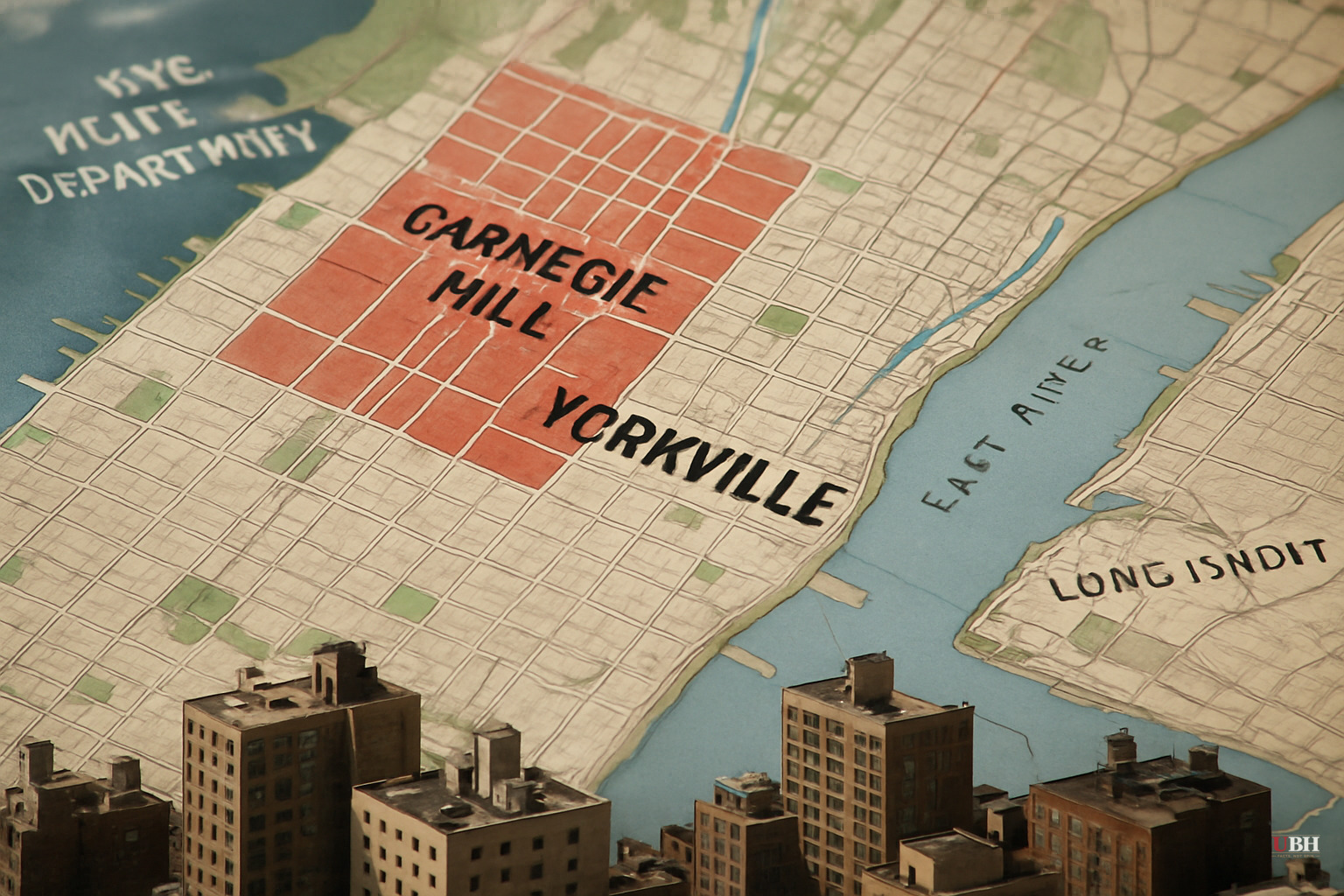
The New York City Health Department has confirmed two Legionnaires' disease cases in the Upper East Side neighborhoods of Carnegie Hill and Yorkville as of July 2, 2026. Additional cases may be pending lab confirmation, according to the health department.
Legionnaires' is a severe, potentially fatal form of pneumonia caused by Legionella bacteria. It is NOT contagious — you cannot catch it from an infected person. It is treatable with antibiotics, but delayed treatment can be fatal.
Who's at Risk
The health department is advising anyone who has lived, worked, or visited Carnegie Hill or Yorkville since late June to watch for flu-like symptoms: fever, cough, or difficulty breathing. If those symptoms appear, contact a healthcare provider immediately.
High-risk groups include people 50 and older, cigarette smokers, and anyone with chronic lung disease or a compromised immune system. These populations face significantly worse outcomes if the disease is not caught early.
How Legionella Spreads
The bacteria typically travels through contaminated water systems. Cooling towers are a common culprit, along with plumbing systems, whirlpool spas, hot tubs, humidifiers, and condensers in large commercial air conditioning units. The densely built environment of the Upper East Side, with its mix of residential towers and large commercial buildings, provides no shortage of potential sources.
Health officials are moving to sample and test every cooling tower in the affected area. Any building whose cooling tower tests positive for Legionella will be required to complete a full remediation before the system can return to operation.
The Harlem Precedent
This is not NYC's first recent Legionnaires' fight. Last summer, an outbreak centered in Harlem sickened 114 people, sent 90 to the hospital, and killed seven, according to official figures from the health department.
The Harlem outbreak drew sharp public criticism. Reverend Al Sharpton and attorney Ben Crump publicly alleged that the true death toll could be as high as 20, claiming misdiagnoses masked the full scale of the disaster. Those allegations remain unverified — no official agency has confirmed a revised death count — but they raised legitimate questions about whether Legionnaires' cases are consistently identified and reported in lower-income, minority communities where baseline healthcare access may be lower.
The Response and Its Questions
Critics of the city's public health infrastructure argue that outbreak investigations consistently lag behind the spread of the disease, and that the communities hardest hit are rarely the ones with the political weight to demand faster action. The Harlem figures, if Sharpton and Crump are even partially right about undercounting, would suggest the official surveillance system misses cases. Legionella outbreaks are difficult to trace in part because symptoms often resemble ordinary pneumonia, which means patients may be treated for the wrong illness before anyone realizes there's a cluster.
The health department's response this week does appear faster than the Harlem timeline. Officials publicly acknowledged the Carnegie Hill and Yorkville cluster while case counts are still in the single digits, and cooling tower testing is already being ordered. Whether that speed reflects genuine institutional improvement or simply the demographics of the Upper East Side is a question the city's response over the next week will help answer.
What Happens Next
The results of the cooling tower sampling will determine the investigation's next move. If a specific building or system tests positive, that source gets shut down and remediated. If testing comes back clean across the board, investigators will widen their search to other water systems in the area.
The unresolved question: whether the pending suspected cases — those still awaiting confirmed test results as of July 2 — represent an early-caught cluster or the leading edge of a larger outbreak. The Harlem situation went from scattered cases to 114 confirmed in a matter of weeks.
Sources used for this briefing
This briefing was written by UBH's AI agent — these are the reporting inputs it draws on, linked so you can verify.


