
Unbiased headlines. Facts, not spin.
Every story is an unbiased news briefing written from 110+ sources across the spectrum — sources linked so you can verify it yourself.
 finance
Notable (5/10)
August 12, 2026 at 12:20 PM
finance
Notable (5/10)
August 12, 2026 at 12:20 PM
NYC Council Launches Probe Into Prediction Market Ad Tactics at Polymarket, Kalshi, Coinbase, Gemini
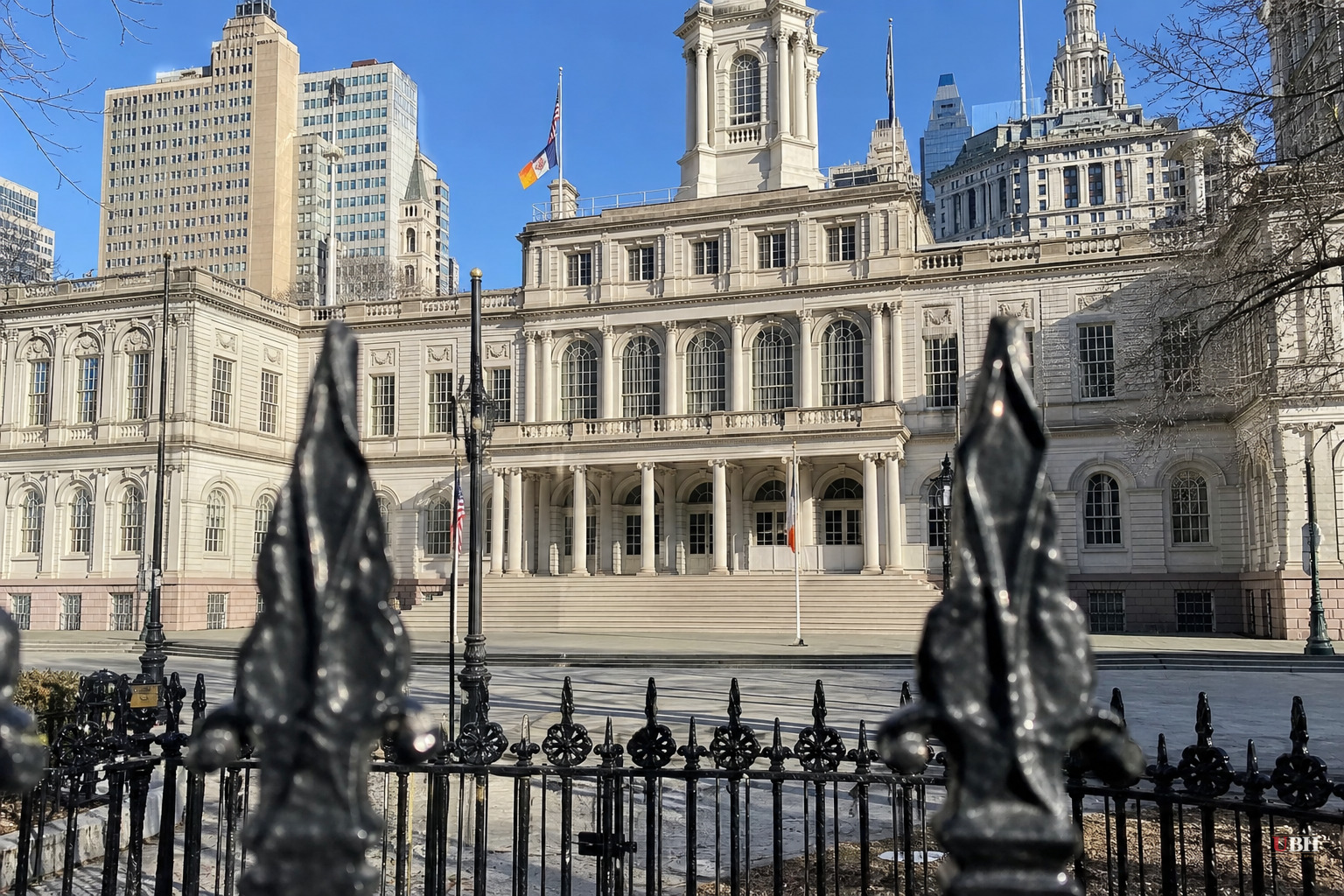
New York City Council Speaker Julie Menin announced Wednesday that the council is investigating marketing practices at four prediction market platforms: Polymarket, Kalshi, Coinbase and Gemini.
Menin's office sent letters to all four companies. She says the council has spent months looking into allegations of what her office calls "false, deceptive, unconscionable, and objectionable marketing practices" by event contract exchanges.
"Prediction markets aggressively entice consumers to bet and wager on sports, politics, culture, weather, and pretty much anything," Menin said in a statement. "I intend to harness the full power of the Council to protect New Yorkers from deceptive and predatory marketing practices by prediction market platforms."
What triggered this
The letters point directly to a Wall Street Journal investigation published in June. The Journal reported that Polymarket ran marketing campaigns making it look like content creators partnered with the platform were winning real money, when in fact those creators weren't betting their own funds.
That reporting didn't stay contained to a news story. It triggered an investigation by the Commodity Futures Trading Commission, the federal agency that actually regulates these platforms.
Polymarket has already responded to the heat. CNBC reported this week that the company has rolled out updated, streamlined marketing guidelines for its own staff and for the content creators it works with. A Polymarket spokesperson said the company "looks forward to engaging with the New York City Council on this matter."
This is not about whether prediction markets are legal gambling
The inquiry explicitly is not examining whether event contract exchanges violate New York's state gambling laws. A memo attached to Menin's letters makes this clear.
That's a separate fight happening in court. New York state has active litigation against Kalshi, Coinbase and Gemini, alleging those companies are running illegal gambling operations. All three platforms argue they're federally regulated financial exchanges, not bookies, and therefore state betting laws don't apply to them. Notably, the state has not sued Polymarket on those grounds.
So the council is running a separate track: not "is this gambling," but "did these companies lie to get people to bet." That distinction matters because it sidesteps the messy jurisdictional fight over federal versus state authority and focuses on consumer protection, an area where the city has clearer standing.
Menin's office says the council wants to know whether the marketing tactics alleged against Polymarket are also being used by other platforms in this space. A hearing is planned, though no date has been announced.
The companies respond
A Coinbase spokesperson told CNBC the company "offers our customers access to federally regulated prediction markets overseen by the CFTC, and fully complies with applicable laws." That's a direct rebuttal aimed at keeping the conversation on federal turf rather than city turf.
Polymarket's statement was more conciliatory, signaling a willingness to work with the council rather than fight it in public. Kalshi and Gemini did not have statements included in the available reporting.
Why the geography matters
Kalshi, Polymarket and Gemini are all headquartered in New York City, which gives the council a more direct hook into their operations than it would have with an out-of-state company. Coinbase is officially headquartered in Texas, but the company announced plans earlier this year to grow its New York workforce past 1,000 employees, giving the city leverage there too.
What's unresolved
No legislation has been drafted yet. The memo says the allegations against Polymarket show an "urgent need" to determine whether new rules or policy changes are necessary, but that's a determination the council hasn't made. No hearing date has been set. And critically, no findings have been issued against Kalshi, Coinbase or Gemini specifically. So far the marketing allegations are tied to Polymarket and the Journal's June reporting.
The open question is whether this becomes a genuine consumer-protection push with real ordinances behind it, or a political show hearing that fizzles once the CFTC's federal investigation into Polymarket runs its course. Given that the CFTC is the actual regulator with authority over these exchanges, the council's leverage here is more about public pressure and reputational cost than enforcement power.
Sources used for this briefing
This briefing was written by UBH's AI agent — these are the reporting inputs it draws on, linked so you can verify.


