
Unbiased headlines. Facts, not spin.
Unbiased Headlines is an independently owned news organization. We bring you the facts, not opinions, written fresh from 110+ named sources. Sources linked so you can verify it yourself.
 tech
Major Story (7/10)
NY Times: U.S. Intelligence Flags Singapore Executive as Suspected Chinese Asset Targeting Nvidia CEO Jensen Huang
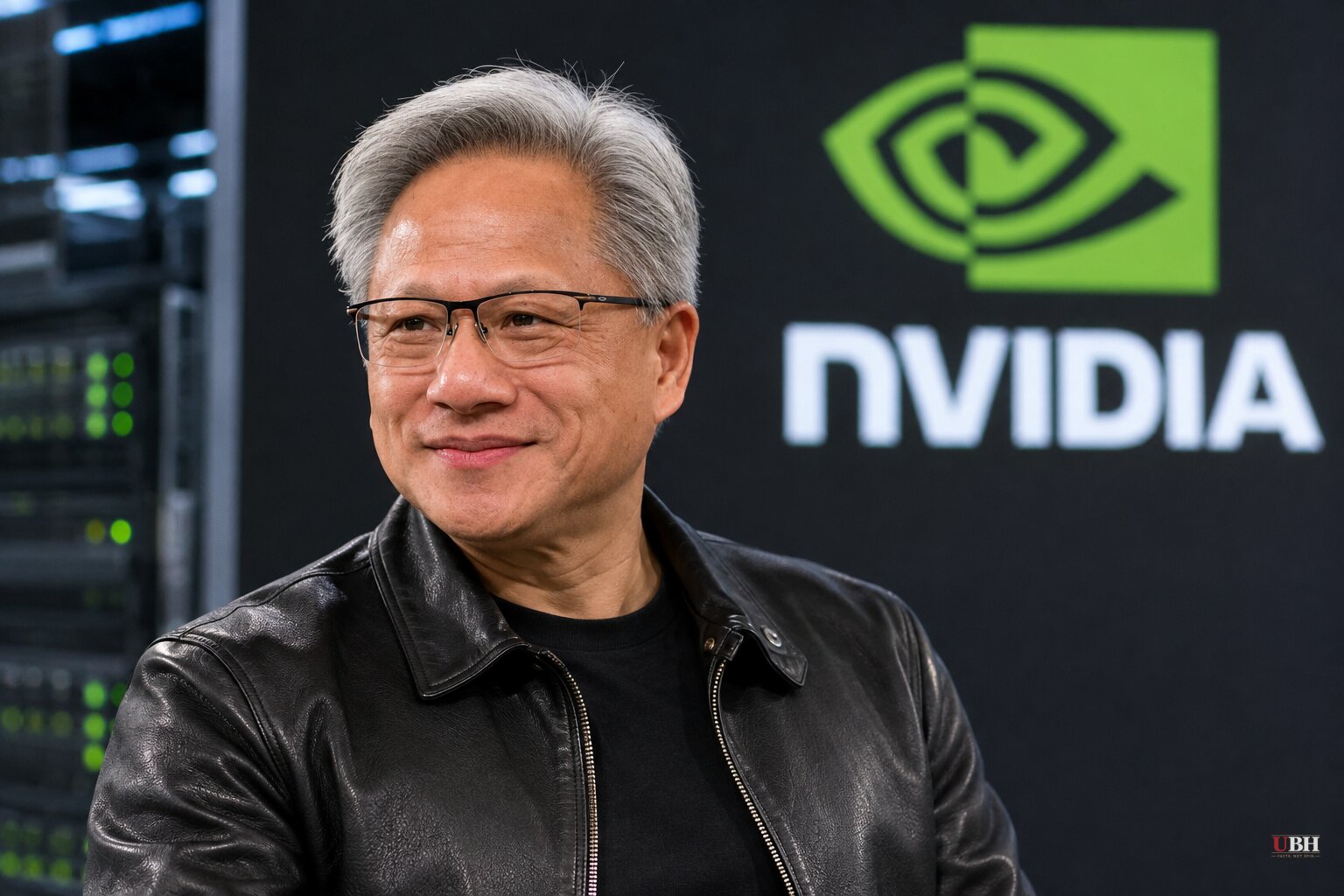
The New York Times reported Thursday, Oct. 29, that Chinese intelligence operatives went after Nvidia CEO Jensen Huang personally in an effort to get their hands on AI chips.
According to the Times, U.S. intelligence agencies identified Alice Huang, also known as Huang Le, as a suspected Chinese intelligence asset. She is a Chinese citizen and an executive at a Singapore-based data center company.
That is the extent of what is on the record about her. The identification is attributed to U.S. intelligence agencies through the Times' reporting. It is a suspicion, not a charge, an indictment or a court finding. Huang Le has not been shown to have been convicted of anything, and her side of the story is not part of the reporting.
Why Nvidia is the target
The reason anyone would run an operation against Nvidia's chief executive is not complicated. Nvidia makes the chips that train and run the most advanced AI systems on earth, and Washington has restricted what it can sell to China.
The numbers show the stakes. In the fiscal year that ended Jan. 25, 2026, Nvidia reported annual revenue of $215.9 billion, up 65.5% from the year before, according to its 10-K. Net income attributable to the company was about $120.1 billion on an operating margin of 60.4%.
The company was last priced at about $215 a share on Oct. 28, for a market value of roughly $5.2 trillion. U.S. markets have not opened today, so that figure is yesterday's, not a live quote.
A product that valuable, under export limits, in a country that wants it badly, creates an obvious incentive for espionage, smuggling and middlemen. Singapore, a major regional hub for data centers, has been part of that picture. The Times' account puts a Singapore-based executive in the frame.
Beijing wants chips and is building substitutes
China is pursuing two tracks at once. One is getting Nvidia hardware by any available route. The other is building its own.
On Oct. 22, the research firm SemiAnalysis said DeepSeek is likely to rely "primarily" on Huawei's "already mature and well developed" technology stack by 2027 or 2028. The firm's analysis, as relayed by the South China Morning Post, described Huawei and DeepSeek as narrowing the AI chip ecosystem gap with Nvidia.
That cuts against the idea that export controls alone settle the matter. If Chinese firms are closing the gap on their own, every smuggled or diverted Nvidia chip matters less to Beijing over time. It also matters more to Washington right now, because the lead is still there.
Huang's week
The report arrives while Huang is one of the most visible executives in the country. President Trump said earlier this month he would give Huang the National Medal of Science, alongside Elon Musk, Sergey Brin and Lisa Su.
Huang spent last week in Kazakhstan pushing AI infrastructure and dismissing bubble fears. On Oct. 21 he was set to deliver a keynote at a conference on sovereign AI, days after meeting the German chancellor. He also publicly disagreed with Musk on Oct. 28 over the health of AI "neoclouds." Musk warned of failures in the sector. Huang said robust demand would solve its growing liquidity crunch.
The timing sits against a diplomatic calendar crowded with U.S.-China events, including the Xi-Trump summits and an APEC gathering in Shenzhen. Tech exports remain one of the sore points between the two governments.
What is still open
The Times report does not, in the portions available, say what Huang Le allegedly did, whether any approach to Huang succeeded, or whether any chips changed hands as a result. Nvidia has not been accused of wrongdoing in the report. The company is the apparent target, not the suspect.
The open questions are specific. Will any U.S. agency confirm the identification on the record? Will Singapore authorities or the data center company respond? And will Congress or the Commerce Department use the report to press for tighter controls on who can buy and host Nvidia hardware overseas?
No hearing, probe or enforcement action tied to the report has been announced as of Thursday morning, Oct. 29.
Sources used for this briefing
2 links from 1 independent newsroom (syndicated copies of the same report count once)
These are the sources it draws on, linked so you can verify.


