
Original briefings. Zero spin.
Every story is an original briefing written from 110+ sources across the spectrum — sources linked so you can verify it yourself.
 finance
Major Story (7/10)
Event date: September 3, 2026
finance
Major Story (7/10)
Event date: September 3, 2026
Nvidia and Alphabet Buy Into Rivals' Zero-Interest AI Debt as US Convertible Bond Sales Hit $131 Billion Record
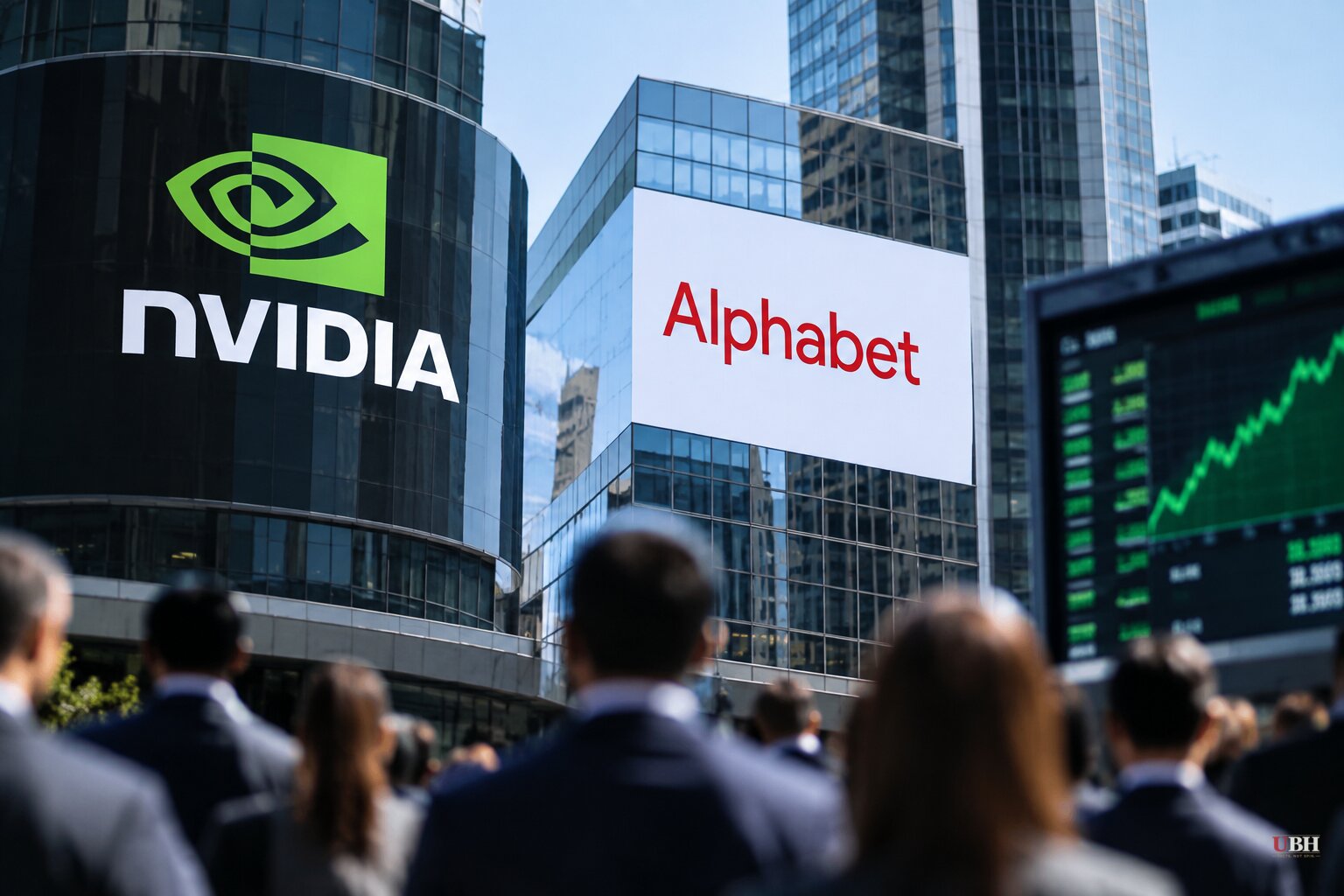
US companies have raised $131 billion through convertible bond sales this year, according to Bloomberg data, with $25 billion of that coming in August alone. That pushed the annual total past the previous record set two years ago. Global zero-coupon convertible issuance hit $72 billion by late August, according to Weiss Ratings and separately confirmed by KuCoin, putting 2026 on track to beat 2025's full-year record of $73 billion by a hair.
Zero-coupon means exactly what it sounds like. The bondholder gets no interest payments, period. They're betting entirely on being able to convert the debt into stock later at a set price, once the shares rally hard enough.
The MediaTek Deal Nvidia Bought Into
On Aug. 31, Taiwanese chip designer MediaTek priced a $3.9 billion bond that pays zero interest for five years, according to Weiss Ratings. Nvidia bought $3.5 billion of that offering. Alphabet took an undisclosed slice too.
Two of the biggest cash-rich companies on earth just handed a chip designer billions of dollars for free, essentially, in exchange for the right to convert into MediaTek stock down the road. Weiss Ratings notes this happened while global borrowing costs sit near multidecade highs everywhere else. Zero-coupon AI paper is the outlier, not the norm.
Who Else Is Doing This
The list of AI-adjacent companies tapping this market keeps growing. According to KuCoin, Akamai Technologies raised $3.5 billion, Oracle pulled in $5 billion, CoreWeave collected $4 billion, and Cloudflare added $2.5 billion, all through zero-coupon convertibles. Cloudflare's August notes carried a conversion premium of 60%, meaning the stock has to climb more than 60% from the issue price before bondholders see a dime of upside.
Briefs Finance reported that Nebius Group raised $4.5 billion in a recent offering after a prior $9.75 billion deal, and that Lenovo has entered the market as well. Joe Wysocki of Calamos Investments told Briefs Finance the convertible market "now includes numerous issuers demonstrating strong revenue and profit growth, though some higher-risk players remain."
Why Companies Love It and Why Investors Take the Bet
The mechanics explain the appeal on both sides. A convertible bond is debt with an embedded option to swap into equity. Weiss Ratings lays out the trade: when a stock is volatile, that conversion option becomes more valuable, because there's a bigger chance the share price crosses the conversion threshold. Investors are willing to give up the coupon because they're really buying volatility exposure, not a bond in the traditional sense.
For the company issuing the debt, it's about as good as financing gets. Borrow billions, pay no interest, and only dilute existing shareholders if the stock takes off. Research cited by Weiss Ratings also flags that convertible-arbitrage funds often short the issuer's stock while holding the bond, which can put short-term pressure on shares even as the deal closes.
The Obvious Risk
This looks a lot like the zero-rate mania that hit companies like Peloton and Beyond Meat, according to Briefs Finance's reporting. Those firms issued similarly aggressive convertible terms, their stocks tanked, and bondholders were left holding paper with worthless conversion rights and no income to show for it.
KuCoin's reporting backs that concern up with numbers. In a downturn, a zero-coupon convertible can perform worse than an ordinary bond, because the conversion option goes to zero and there's no coupon underneath it to cushion the fall. Some buyers have started pushing back, according to KuCoin, requesting capped-call structures that limit dilution and effectively raise the real conversion price even higher. Costs have ticked up slightly on some recent deals too, which suggests issuers haven't won every point at the negotiating table.
The Bigger Bond Market Backdrop
Writing for the Epoch Times, Jeffrey Tucker argues the broader bond market is delivering a warning that politicians are ignoring: federal interest outlays crossed $1 trillion in late 2023 and have kept climbing, and under modest assumptions, debt service could consume 100% of federal revenue by 2052. That's a separate problem from corporate convertible debt, but it frames why real borrowing costs elsewhere sit at multidecade highs while AI companies alone get to borrow for free.
The open question is what happens to all this zero-coupon paper if AI stock valuations stall rather than keep climbing 60% or more. Nvidia and Alphabet can absorb a loss on a $3.5 billion bet. Smaller convertible-arbitrage funds riding the same trade, and the companies counting on stock appreciation instead of cash to cover their debt, may not have that luxury.
Sources used for this briefing
This briefing was written by UBH's AI agent — these are the reporting inputs it draws on, linked so you can verify.


