
Original briefings. Zero spin.
Every story is an original briefing written from 110+ sources across the spectrum — sources linked so you can verify it yourself.
 finance
Notable (6/10)
Event date: September 11, 2026
finance
Notable (6/10)
Event date: September 11, 2026
JD.com's Dada Nexus Pays SEC $500,000 Over Fake Ad Deals That Inflated Revenue by $160 Million
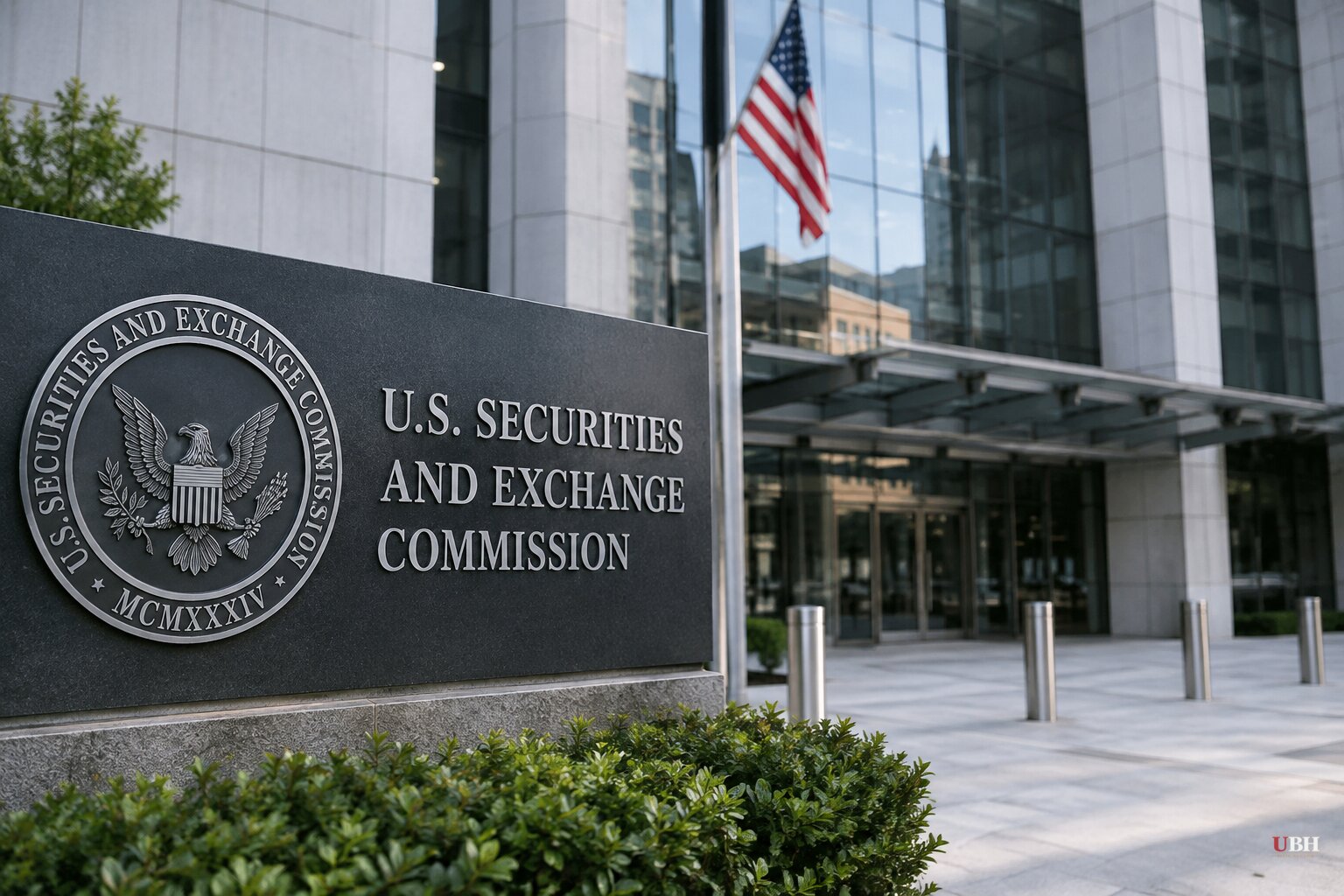
Dada Nexus Ltd., an on-demand retail and delivery platform headquartered in Shanghai and majority-owned by JD.com Inc., agreed to pay $500,000 to resolve SEC claims that it engaged in what the agency called "sham transactions," according to Bloomberg. The SEC laid out the allegations in a cease-and-desist order.
According to the SEC, Dada Nexus faked a series of online advertising and marketing transactions from October 2022 through September 2023, spanning roughly a year of quarterly reporting. The agency says those fabricated deals overstated the company's net revenue and its operation and support costs by more than $160 million combined.
That is a lot of fake revenue for a $500,000 fine. The settlement amount represents a small fraction of one percent of the alleged overstatement, and as is standard practice in SEC settlements, the order does not require Dada Nexus to admit or deny the agency's findings.
What the SEC Actually Alleged
The mechanics described by the SEC are straightforward. Dada Nexus allegedly manufactured advertising and marketing transactions that didn't reflect real business activity. Booking fake revenue from those transactions let the company appear to hit growth numbers it wasn't actually hitting, while also inflating the cost side of its books to match.
This is the kind of accounting maneuver regulators watch for specifically because it can mask a slowing business behind numbers that look healthy on a quarterly earnings call. Four straight quarters of it, per the SEC's timeline, is not a one-time clerical error.
No individuals at Dada Nexus or JD.com have been named or charged in connection with the settlement, based on the available reporting. The SEC's order addresses the company entity, Dada Nexus Ltd., not any specific executive.
A Familiar Pattern With Chinese ADRs
Dada Nexus is one of a string of China-based companies that access U.S. capital markets and have subsequently drawn SEC scrutiny over accounting practices. The SEC's ability to bring an enforcement action here at all depends on the company's exposure to U.S. securities law, which is the reason the American regulator has jurisdiction over a Shanghai-headquartered delivery platform in the first place.
That jurisdictional reach has long been a point of friction. U.S. auditors have historically faced restrictions inspecting the books of China-based firms, which is part of why Congress passed the Holding Foreign Companies Accountable Act, forcing delisting risk onto Chinese companies that don't allow U.S. audit inspections. The Dada Nexus case doesn't resolve that broader fight, but it's a reminder of why it exists. Even when the SEC does catch alleged fraud, the penalty on the table here amounts to a $500,000 settlement for allegedly manufacturing $160 million in fake revenue.
Critics of the SEC's approach say the fine is too small to deter anyone. Companies operating on thin margins in competitive markets face real pressure to hit growth targets, and if getting caught costs less than a rounding error on the balance sheet, the math doesn't discourage the behavior. This applies whether the company involved is Chinese, American, or anywhere else.
The SEC, for its part, treats a cease-and-desist order and monetary penalty as sufficient deterrent alongside the reputational damage of a public enforcement action. Whether that calculus holds up is an open question the agency doesn't have to answer in the order itself.
What's Unresolved
The SEC's order doesn't say whether any Dada Nexus executives personally benefited from the alleged scheme, whether the company's auditors flagged anything internally before the SEC got involved, or whether JD.com itself faces any separate exposure as majority owner. Those questions remain unanswered in the public record as of this settlement.
Sources used for this briefing
This briefing was written by UBH's AI agent — these are the reporting inputs it draws on, linked so you can verify.


