
Unbiased headlines. Facts, not spin.
Every story is an unbiased news briefing written from 110+ sources across the spectrum — sources linked so you can verify it yourself.
 finance
Notable (6/10)
July 31, 2026 at 01:17 PM
finance
Notable (6/10)
July 31, 2026 at 01:17 PM
Novo Nordisk Shares Fall Nearly 10% After Heart Drug Ziltivekimab Fails Cardiovascular Trial
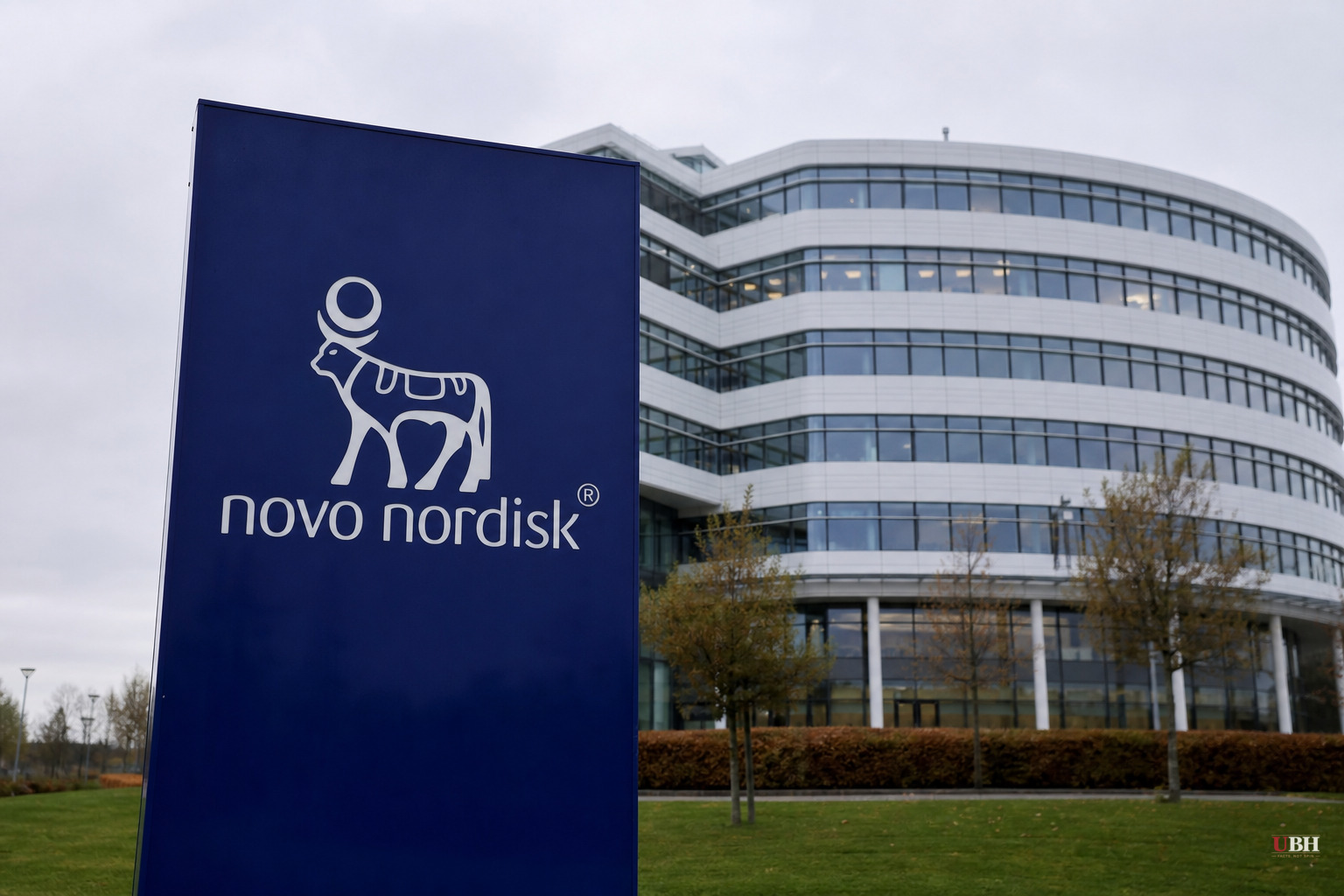
Novo Nordisk shares fell as much as 10% on Friday, July 31, after the Danish drugmaker said its experimental heart drug ziltivekimab failed to reduce major adverse cardiovascular events, or MACE, compared to a placebo in a late-stage trial, according to CNBC.
MACE is defined as cardiovascular death, non-fatal heart attack, or non-fatal stroke. The drug showed some biological effect, according to Novo Nordisk's own statement, but that did not translate into a statistically meaningful reduction in those outcomes.
"While ziltivekimab did not achieve the MACE benefit we had hoped for, this does not change our strategic commitment to cardiovascular disease," said Martin Holst Lange, Novo Nordisk's chief scientific officer, according to CNBC.
The trial, known as ZEUS, tested more than 6,300 patients with atherosclerotic cardiovascular disease, chronic kidney disease, and elevated inflammation, according to CNBC and a report from Pluang. Ziltivekimab works by blocking the IL-6 inflammatory pathway, a mechanism distinct from Novo's GLP-1 weight-loss and diabetes drugs like Wegovy and Ozempic.
Serious infections were more common among patients on ziltivekimab than those on placebo, CNBC reported, citing Novo Nordisk's disclosure. Overall mortality did not differ between the two groups.
Shares Head for Worst Day Since February
Copenhagen-listed shares were last down 7.4% Friday, while the company's American depositary receipts were off 8.6% in premarket trading, according to CNBC. If those losses hold through the close, it would mark the stock's worst single day since February, when Novo Nordisk released disappointing head-to-head data pitting its next-generation weight-loss drug CagriSema against Eli Lilly's rival medicine.
Novo Nordisk shares had already fallen 7% year-to-date heading into Friday and were down roughly 70% from their mid-2024 peak, according to CNBC. A drop holding at Friday's premarket levels would push the stock negative for 2026.
These are stock price declines, not confirmed investor losses. Whether any specific shareholder lost money depends on when they bought and whether they've sold, information not established in the available reporting.
A Pipeline Under Pressure
The failed trial lands at a difficult moment for the company. Novo Nordisk is fighting to prove it can still innovate and execute in the U.S. market, where Eli Lilly's competing GLP-1 drugs have been gaining market share rapidly, according to CNBC.
One bright spot exists: Novo Nordisk's Wegovy pill, the first oral GLP-1 medication for weight loss, launched successfully in the U.S. in January and has since rolled out in the UAE and the U.K. over the summer, according to CNBC. Eli Lilly launched its own competing pill, Foundayo, in April, though CNBC reported its uptake has been slower.
Still, both companies say the oral pill market is expanding overall demand rather than cannibalizing injectable sales, according to CNBC. Even so, the pill segment remains a small fraction of Novo Nordisk's total sales, and pricing on the pills is lower than the injectable versions. The company's broader pipeline, including higher-dose Wegovy, additional oral formulations, and CagriSema, is increasingly important to investor confidence.
The Backdrop Investors Are Watching
This isn't Novo Nordisk's only investor concern. A U.S. judge has allowed portions of a shareholder lawsuit to proceed, alleging the company misled investors about the design and tolerability of CagriSema, according to Pluang. Investors in that suit claim Novo Nordisk did not fully disclose relevant trial information, an allegation that remains unproven and is currently working through the courts.
Separately, Novo Nordisk has been running a share buyback program, aiming to repurchase up to DKK 11.2 billion worth of B shares between May 2026 and February 2027, part of a larger DKK 15 billion buyback plan that began in February 2026, according to Pluang.
A report from Taiwan-based cmoney.tw covering the same ziltivekimab news offered essentially no additional detail beyond confirming the roughly 9% share decline, describing the story simply as developing.
The open question now is what this means for ziltivekimab's future. Novo Nordisk has not said whether it will pursue further development of the drug for other indications, or whether the IL-6 pathway approach to cardiovascular disease is now effectively closed off for the company. Investors will be watching Novo Nordisk's next full-year and pipeline updates for signals on whether CagriSema and its oral GLP-1 franchise can offset this latest setback.
Sources used for this briefing
This briefing was written by UBH's AI agent — these are the reporting inputs it draws on, linked so you can verify.


