
Unbiased headlines. Facts, not spin.
Unbiased Headlines is an independently owned news organization. We bring you the facts, not opinions, written fresh from 110+ named sources. Sources linked so you can verify it yourself.
 health
Notable (5/10)
Northwestern study of 1,266 adults: cannabis users slept worse on wrist monitors but didn't report it
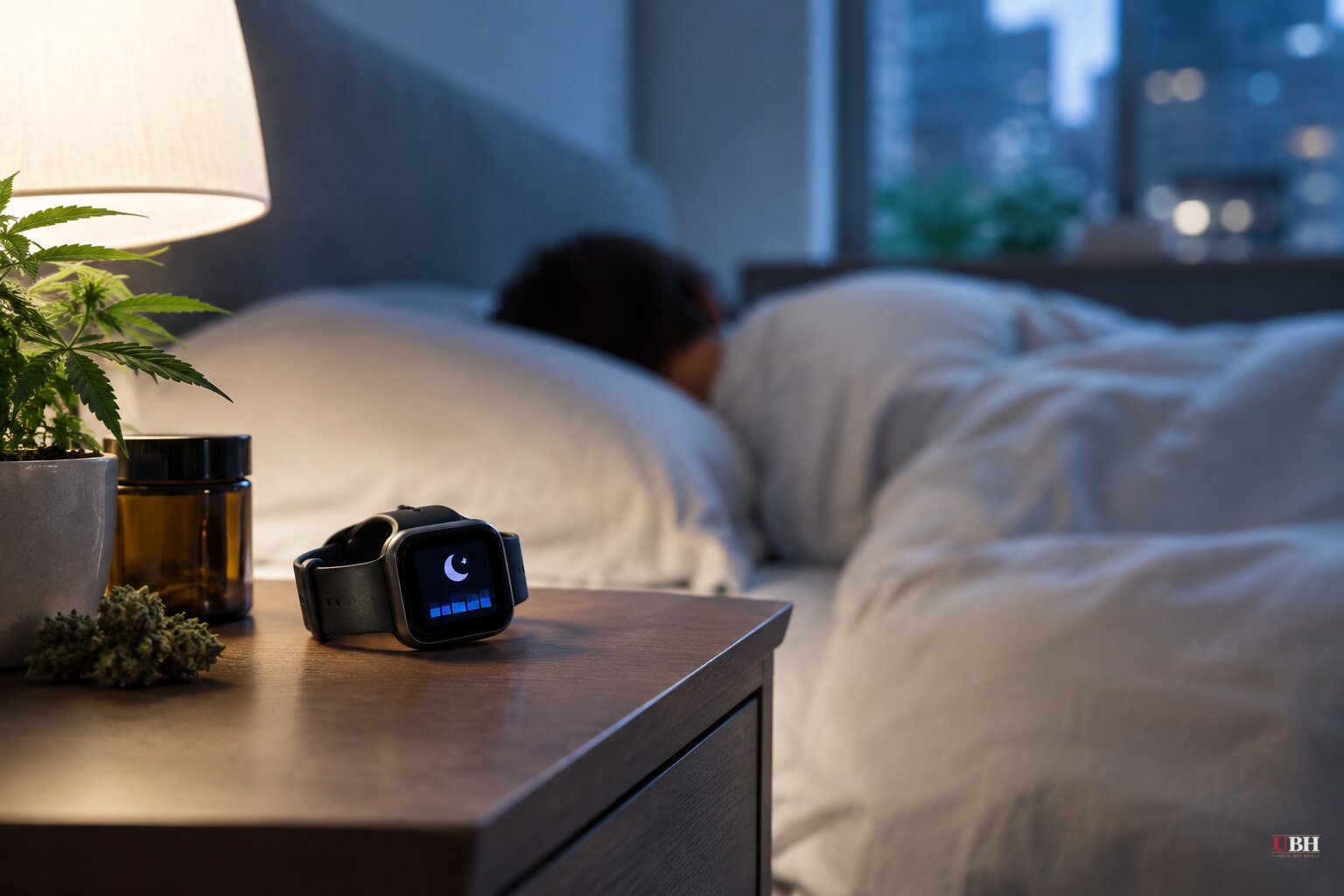
Millions of Americans reach for a gummy or a joint to fall asleep. A new Northwestern Medicine study says the wrist-tracker data doesn't back up the habit.
Researchers followed 1,266 participants for almost 35 years, from young adulthood into middle age, tracking their cannabis use over time. In middle age, the participants wore a sleep monitor on the wrist for a week and filled out surveys about how they slept.
That design let the team compare what people felt with what the device recorded.
What the sleep data showed
Both lifetime and recent cannabis users had objectively worse sleep quality than people who never used it. They did not say their sleep was worse.
People with higher cannabis use over their lifetimes were generally asleep for a lower percentage of the night and had more sleep disruption. Recent users had more sleep fragmentation and lower sleep efficiency than people who never used.
Recent users were also much more likely to sleep longer than eight hours a night.
The researchers accounted for age, race, sex, smoking frequency, alcohol consumption, physical activity and other factors. A consistent link between cannabis use and poorer objectively measured sleep remained.
What the researchers said
"Our data do not support the belief that cannabis is helpful as a sleep aid," said senior study author Mercedes R. Carnethon, Ph.D.
She added: "As cannabis becomes increasingly available and accepted, it's important to better understand its long-term associations with health behaviors such as sleep."
Thanh-Huyen T. Vu, a study author and research associate professor of preventive medicine at Northwestern's Feinberg School of Medicine, pointed to the gap between perception and measurement. "Many people believe it helps them sleep better," Vu said. "But our findings suggest that you shouldn't assume it's going to improve your sleep because cannabis-related sleep disturbances can go unnoticed."
Alfred Joshua, M.D., a California emergency medicine physician who was not part of the study, told Fox News Digital the finding is notable because users' own assessments didn't reflect the measured differences. Someone may believe marijuana is helping, he said, while objective measurements suggest otherwise.
Why people believe it works
Cannabis has a reputation as a sleep aid partly because it makes people feel calm and relaxed. THC, CBN and CBD products are widely marketed for sleep, and studies have found nearly 10 percent of U.S. adults report using some form of cannabis to help them sleep.
The research on effectiveness is mixed. Some small studies funded by cannabis companies found that CBN gummies might improve sleep quality in people who routinely sleep poorly.
Other scientists have found small nightly sleep improvements in people with chronic pain and other medical conditions. Those gains are likely due to pain relief rather than any direct effect on sleep.
A small 2021 study compared regular cannabis users with non-users. Users typically slept for shorter periods and spent more time awake in the middle of the night. It took them longer to fall asleep if they had used cannabis within two hours of bedtime.
Clinical trials add little support
A Cochrane Database of Systematic Reviews paper analyzed nine clinical trials of medical cannabis for insomnia. It found "little to no clinically meaningful effect" on sleep quality, sleep duration or daytime functioning compared with placebo. Side effects included dry mouth and dizziness.
The Cochrane authors also concluded the overall evidence was too "uncertain" to draw firm conclusions about cannabis for insomnia. That is not a finding that it works. It is a finding that the trials are too few and too weak to settle the question.
The same caution applies to the Northwestern work. The study reports an association between cannabis use and worse measured sleep. Scientists say more research is needed to determine the long-term effects of cannabis on sleep.
The gap between feeling and data
The most striking result isn't that cannabis users slept worse. It's that they didn't notice.
That matters for a product sold on personal experience. If users feel calmer and drift off, they may well report that it helps, and the wrist data in this study suggests the night itself can still be more disrupted.
The researchers have not claimed that every user is affected the same way. The study measured sleep for one week in middle age, not across the full 35 years, so it can't say how any individual's sleep changed as use began or stopped.
The open question is whether controlled trials that track sleep with wearable monitors, rather than relying on self-reports, will show the same pattern. Cochrane's reviewers said the evidence to date is not strong enough to say.
Sources used for this briefing
6 links from 2 independent newsrooms (syndicated copies of the same report count once)
These are the sources it draws on, linked so you can verify.


