
Unbiased headlines. Facts, not spin.
Unbiased Headlines is an independently owned news organization. We bring you the facts, not opinions, written fresh from 110+ named sources. Sources linked so you can verify it yourself.
 health
Low Interest (4/10)
NHS England Treated 70.7% of Cancer Patients Within 62 Days in September, Short of 80% March Target
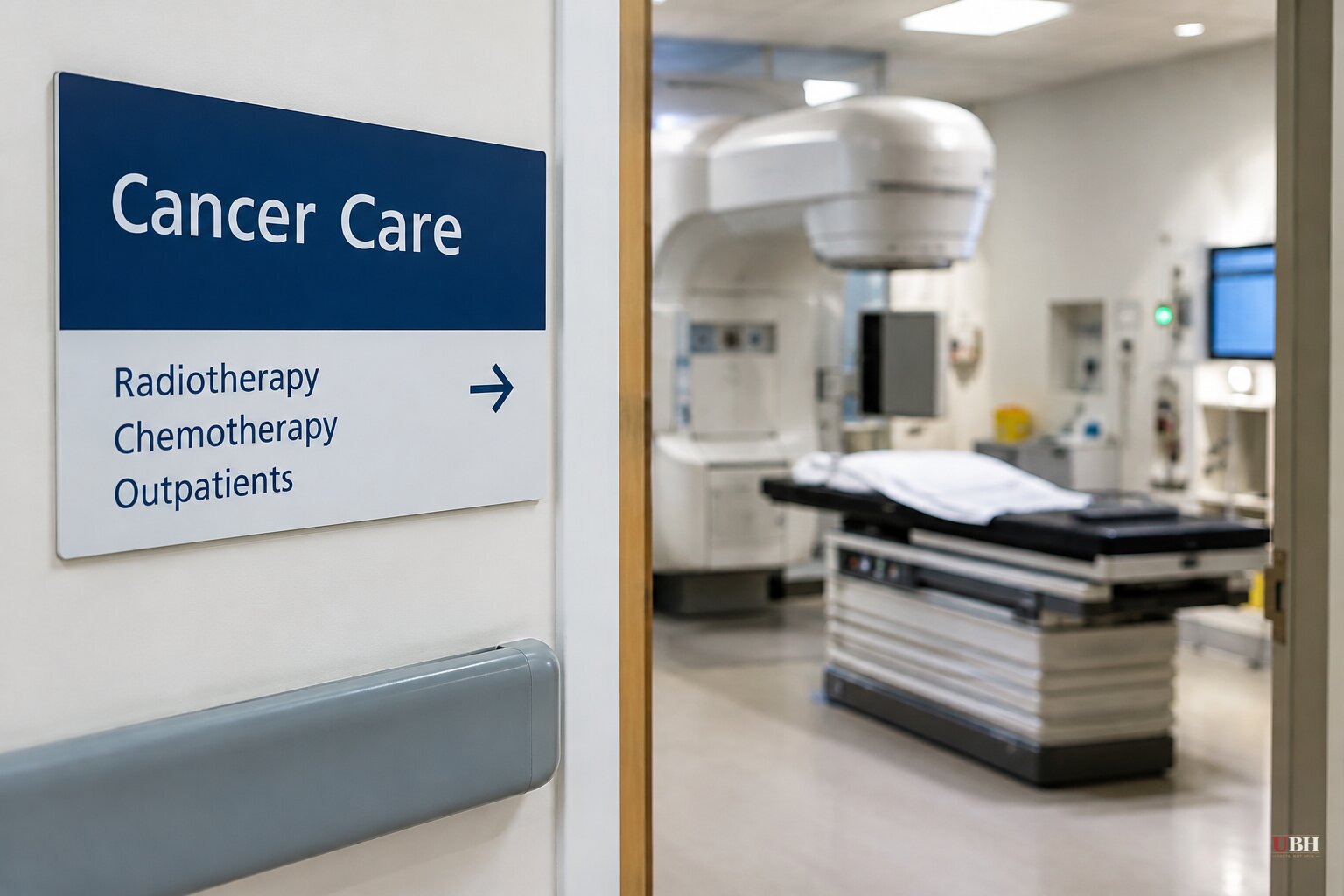
The government's interim cancer treatment goal is slipping further away, not closer.
The NHS in England set a target of treating 80% of cancer patients within 62 days of an urgent referral or consultant upgrade by March 2027. In September, 70.7% started treatment on time. In August it was 71.9%.
The Guardian reported that with little more than 100 days to go, the NHS was moving in the wrong direction on the measure.
What the shortfall looks like in patients
Radiotherapy UK, a charity, ran the numbers in an analysis for The Guardian. To hit 80% in March, about 24,400 patients a month would need to start treatment within 62 days, the charity calculates. The NHS is currently managing about 21,500.
That is a monthly gap of 2,850 patients and a cumulative shortfall of 9,490, the charity found. The calculation assumes patient volumes stay roughly where they are.
Prof Pat Price, the charity's chair and an oncologist, put the cause bluntly. "The government is going to miss its cancer treatment target because the NHS does not have enough staff or equipment to treat the number of patients coming through its doors," she said. "This lack of leadership means thousands more people could die because they don't get their treatment on time."
Mark Lawler, professor of digital health at Queen's University Belfast, pointed at accountability. "The whole system is being held together by goodwill glue alone," he said. Without accountability for the failures and "a focus on the basics," he warned, targets will be missed "for another decade."
Those are their assessments, not established findings. The performance figures themselves are NHS data.
Big gaps by cancer type and region
The 62-day average hides wide variation.
- Prostate cancer: 70.1% treated on time
- Breast cancer: 68.8%
- Lung cancer: 60.9%
- Gynaecological cancers: 60%
- Head and neck cancers: 56.5%
Geography matters too. The Midlands had the lowest share treated on time at 66.6%. London reached 77.3%.
A patient with head and neck cancer in the Midlands is facing very different odds from a prostate patient in London. The national average papers over that.
Diagnosis and the 31-day standard are also short
The delays start before treatment. The government wants 80% of patients with suspected cancer to get a diagnosis or an all-clear within 28 days of urgent referral, with a March 2029 deadline. In September the figure was 76.2%, down from 78.6% in August.
Cancer Research UK's analysis is harsher for patients who actually have cancer. Over the past year, 55.4% of patients with cancer were diagnosed within 28 days of an urgent referral, against the 80% target. For people given the all-clear, 79.1% got an answer on time.
"These figures show that those who ultimately receive the devastating news of a cancer diagnosis aren't finding out quickly enough," said CRUK chief executive Michelle Mitchell. She called on the government to ensure "the NHS has the investment it needs in staff and resources."
The 31-day standard is also missed. Only 91.5% of patients started treatment within 31 days of a decision to treat, against a 96% target for 2029. The long-term 62-day target is 85%, so even hitting 80% in March would leave work undone.
Chris Ransom, head of services at Macmillan Cancer Support, said: "Behind every long wait or delay is a person whose life could be on hold."
Staffing and the government's response
Stephen Harden, president of the Royal College of Radiologists, has linked dangerous delays in diagnosis and treatment to chronic shortages of clinical radiologists and clinical oncologists, and to a recruitment freeze for those specialists.
The Department of Health and Social Care points to progress. It said all three cancer service standards have improved compared with last year, while acknowledging that further change is needed. The September figures sit alongside that claim, and they show a month-on-month decline in the 62-day measure.
Pressure elsewhere in the system
Cancer pathways run through the same hospitals that are straining. An average of 3,558 patients a day received corridor care in October, up from a revised 3,310 in September and the highest since collection began in May. Some 74.0% of A&E patients were seen within four hours, down from 74.4%.
The waiting list stood at an estimated 7.38 million treatments, covering 6.24 million patients, at the end of September.
Royal College of Nursing chief Prof Nicola Ranger called the corridor care numbers "a mark of shame." Liberal Democrat health spokeswoman Helen Morgan claimed the true scale is "likely far worse," saying she had heard reports of trusts reclassifying spaces to keep numbers down. That is her claim, and no figures were offered to back it.
What comes next
March 2027 is the deadline. The latest monthly figure moved away from the 80% goal, not toward it, and winter pressures are building across the system. Each month's figure will show whether the department's claim of year-on-year improvement can be squared with a missed interim target.
Sources used for this briefing
5 links from 5 independent newsrooms (syndicated copies of the same report count once)
These are the sources it draws on, linked so you can verify.


