
Unbiased headlines. Facts, not spin.
Every story is an unbiased news briefing written from 110+ sources across the spectrum — sources linked so you can verify it yourself.
 economy
Notable (6/10)
September 20, 2026 at 03:06 AM
economy
Notable (6/10)
September 20, 2026 at 03:06 AM
Nippon Life to Pour $13 Billion Into US Data Center Loans as AI Buildout Strains Financing
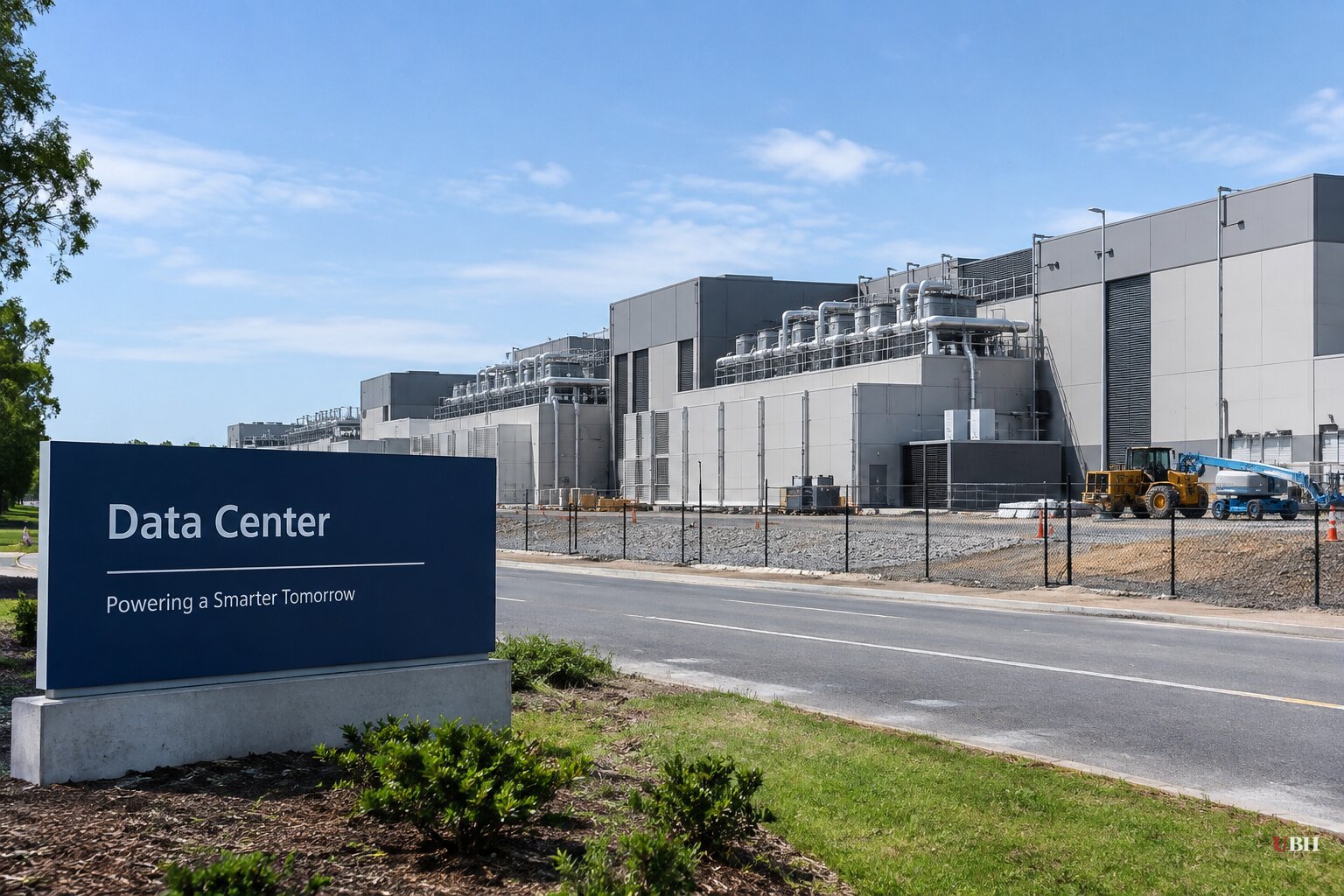
Nippon Life Insurance, Japan's largest life insurer, plans to commit approximately 2 trillion yen, roughly $13 billion, to infrastructure financing with a heavy tilt toward US data center construction, according to Nikkei Asia reporting cited by Channel NewsAsia and Crypto Briefing. The structure matters here. Nippon Life isn't buying data centers or taking equity stakes. It's providing project finance, where loan repayment comes directly from the cash the project itself generates, not from a corporate borrower's balance sheet. The money flows rely on long-term power purchase agreements and lease commitments from creditworthy tenants, the kind of predictable, decades-long cash flow that matches an insurer's own long-dated liabilities. The numbers explain why Nippon Life is chasing this. US data center project finance is projected to offer average spreads exceeding 2%, according to Crypto Briefing, well above what comparable domestic Japanese investments pay. Nippon Life's overseas project finance portfolio already grew 11% in fiscal 2025 to about 1 trillion yen, roughly $6.8 billion. The new target effectively doubles that total by fiscal 2035. The insurer is also weighing entry into Japan's own data center loan market by the end of fiscal 2026. Nippon Life isn't alone. MUFG Bank has committed to investing in an AI infrastructure fund exceeding 4 trillion yen, according to reporting aggregated by hellomarvisaitoday. Japanese institutions are increasingly stepping into a funding gap created by rising costs for semiconductors, servers, and other hardware, which Vibe Trader and Crypto Briefing both flagged as a driver behind why conventional financing has gotten harder to line up.
The scale of what's being financed
Global data center IT capacity grew 8.6% in the first half of 2025, with about 70% of that growth happening in the US, according to Crypto Briefing. PricewaterhouseCoopers, in a report covered by Breitbart, put global data center capital spending at $31.6 trillion through 2050 under a baseline forecast, roughly the size of the entire US economy, and as much as $50 trillion if AI adoption accelerates faster than expected. The US is projected to take nearly half that total, $15.1 trillion, with annual global spending climbing from about $800 billion this year to $1.1 trillion by 2030 and $1.8 trillion by 2050. PwC researchers wrote that the capital exists and the demand is real. The open question, they said, is which regions and operators actually capture it. Power availability is the single biggest factor, and PwC warned that semiconductor supply chain disruptions could cut global investment by nearly 20%.
Money isn't the bottleneck
Permits are. Greg Abel, CEO of Berkshire Hathaway Energy, told CNBC in September and said again at Berkshire's May shareholders meeting that hyperscale data centers are a major growth opportunity for his company, which posted more than $2 billion in after-tax profit on $11.2 billion in revenue for the first half of 2026. But Abel said the real constraint isn't electricity supply or capital. It's permitting and site preparation. Breitbart reported that at least 75 data center projects worth roughly $130 billion were blocked or delayed from January through March of this year. Fox News reported that more than 200 communities have enacted data center moratoriums or similar restrictions, with a growing number of states weighing pauses of their own. Those communities have legitimate questions, and it's fair to take them seriously rather than wave them off. Who pays for new electricity and grid infrastructure? What happens to local water supplies used for cooling? How do noise, light, and large industrial footprints affect neighborhoods that never asked for a hyperscale facility next door? Fox News argued those questions deserve honest answers, not dismissal, and pointed to a national Ratepayer Protection Pledge signed by major developers in March 2026 committing to cover the cost of power infrastructure their projects require rather than pushing it onto existing ratepayers. Fox cited an Indiana utility that has proposed a rate cut worth roughly $100 a year for the average household as one early result. Whether that pledge holds up as more capital, Japanese or otherwise, floods into the sector is unresolved. Nippon Life's plan and MUFG's fund show foreign institutional money is ready to write checks for the projects themselves. Whether the permitting fights, water fights, and grid capacity fights in 200-plus American communities move fast enough to put that money to work is a separate question that no insurance company's balance sheet can answer.
Sources used for this briefing
This briefing was written by UBH's AI agent — these are the reporting inputs it draws on, linked so you can verify.


