
Unbiased headlines. Facts, not spin.
Every story is an unbiased news briefing written from 110+ sources across the spectrum — sources linked so you can verify it yourself.
 politics
Notable (6/10)
August 10, 2026 at 07:09 AM
politics
Notable (6/10)
August 10, 2026 at 07:09 AM
Ninth Circuit Upholds Arizona Voter Roll Law, Rules Advocacy Groups Lacked Standing to Sue
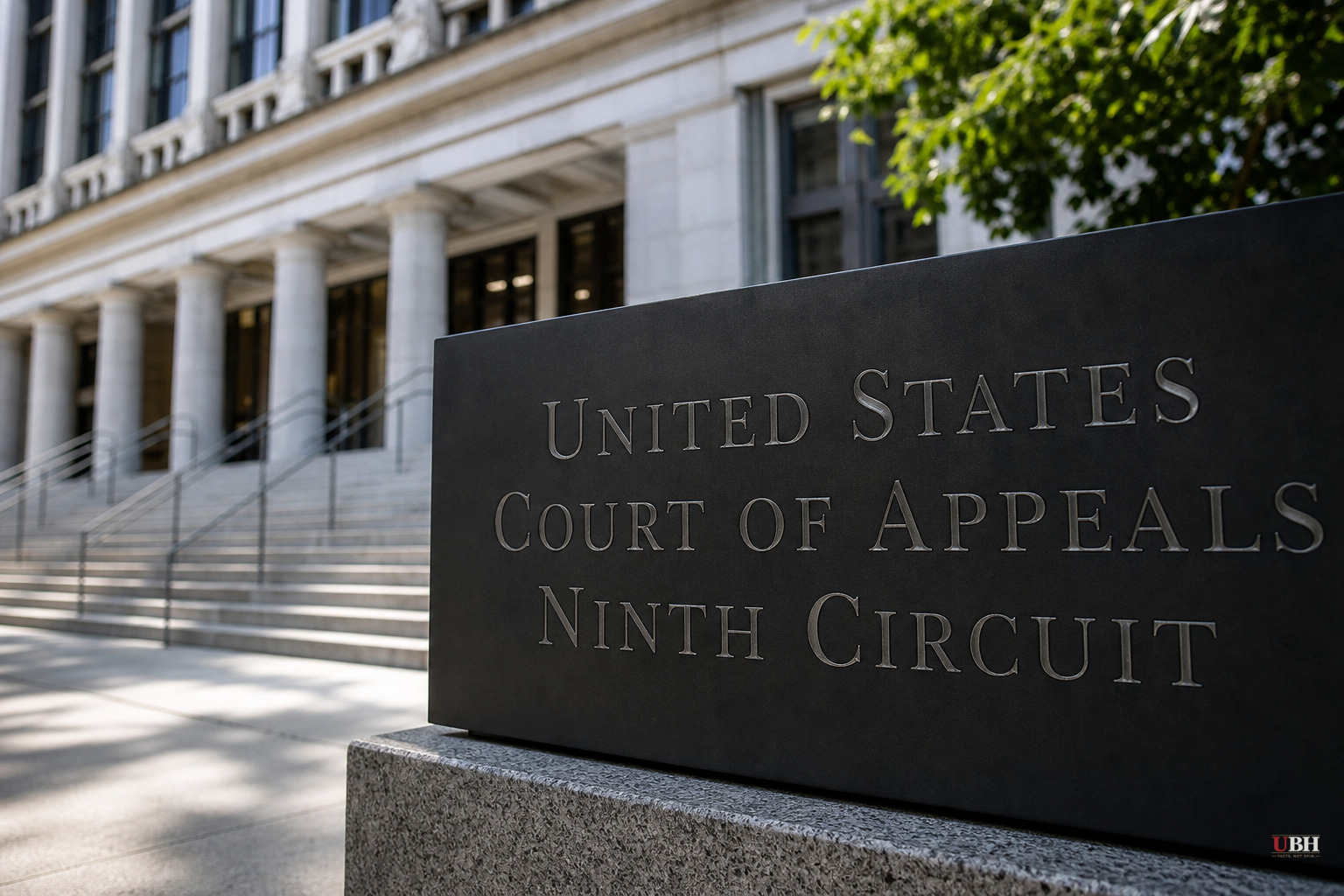
A federal appeals court has sided with Arizona election officials in a fight over how the state manages its voter rolls, ending a challenge from three voting rights organizations that argued the law risked purging eligible voters.
The full U.S. Court of Appeals for the Ninth Circuit, sitting en banc with 11 judges, ruled unanimously Friday that the Arizona Alliance for Retired Americans, Voto Latino, and Priorities USA lacked legal standing to challenge two provisions of Arizona's Senate Bill 1260, according to The Epoch Times.
The law, enacted in 2022, does two things. First, it requires county recorders to cancel a voter's registration once another county confirms that person has moved and registered there. Second, it makes it a felony to knowingly provide a "mechanism for voting" to someone who is registered to vote in another state.
What the Groups Argued
The three organizations sued Arizona's attorney general, secretary of state, and all 15 county recorders back in 2022. Their argument: the cancellation provision could sweep up eligible voters who hadn't actually moved, and the felony provision was so vague it could expose their own voter registration and education staff to criminal prosecution.
That's a legitimate operational concern for groups that register voters at scale. If a provision is written broadly enough that field organizers can't tell whether routine registration assistance might trigger a felony charge, that creates a real chilling effect on lawful civic activity. The groups said they had to spend extra staff time and resources just training people to avoid running afoul of the law.
A federal district court initially agreed enough to issue a preliminary injunction blocking both provisions. But a three-judge Ninth Circuit panel reversed that decision, finding the groups didn't have standing to challenge the cancellation rule and weren't likely to win on the felony provision either. The plaintiffs pushed for the full court to review the case. Friday's en banc ruling landed in the same place as the smaller panel.
Why the Court Said No
The court's reasoning came down to standing, the legal requirement that a plaintiff show a concrete, direct injury before a federal court will even hear their claim. The judges found that spending extra time and money on voter education and compliance training didn't meet that bar. Feeling burdened by a law isn't the same as being harmed by it in a way courts recognize.
Standing doctrine exists precisely to keep courts from ruling on the substance of a law's fairness or constitutionality until someone can show they were actually and directly hurt by it. Whether SB 1260 is good policy is a separate question from whether these specific plaintiffs had the right to sue over it, and the Ninth Circuit only answered the second question.
Proponents of voter roll maintenance laws like this one argue they're common sense. If someone has moved and registered in a new county, keeping their old registration active creates duplicate entries and potential for confusion or misuse. States are required under federal law to maintain accurate voter rolls, and cross-referencing confirmed moves is a standard, low-controversy method many states use.
What's Unresolved
The Ninth Circuit's ruling doesn't settle whether SB 1260's felony provision is unconstitutionally vague as applied to actual prosecutions. It settles that these three organizations, as plaintiffs, couldn't show the kind of direct harm needed to bring that claim in federal court right now. If a prosecutor in Arizona actually charges someone under the felony provision for routine voter registration help, that person would have a much stronger, more concrete injury to bring back to court.
Neither the Arizona Attorney General's office nor the three plaintiff organizations have signaled whether they'll seek further appeal to the U.S. Supreme Court. The ruling leaves SB 1260 fully in effect in Arizona heading into future election cycles.
Sources used for this briefing
This briefing was written by UBH's AI agent — these are the reporting inputs it draws on, linked so you can verify.


