
Unbiased headlines. Facts, not spin.
Every story is an unbiased news briefing written from 110+ sources across the spectrum — sources linked so you can verify it yourself.
 finance
Notable (6/10)
August 6, 2026 at 12:25 PM
finance
Notable (6/10)
August 6, 2026 at 12:25 PM
Nintendo's Profit Jumps 150% on a $300 Million Tariff Refund It's Fighting to Keep From Customers
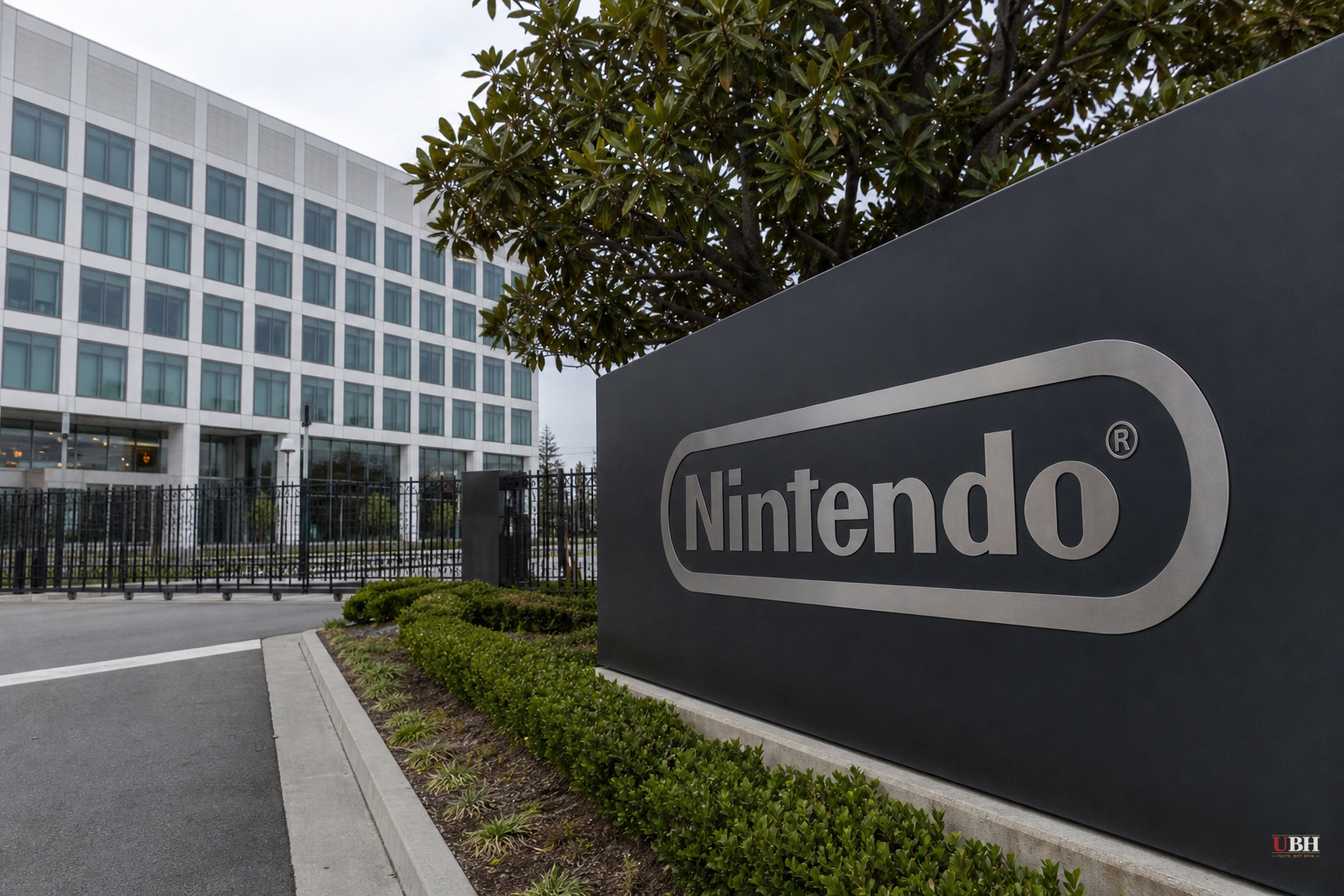
Nintendo just posted a first-quarter operating profit of 142.5 billion yen, about $902 million, up 150.5% from 56.9 billion yen a year earlier. Net sales for the quarter ending June 30 actually fell 9.5%, according to gamesindustry.biz. The profit spike came from somewhere else entirely.
A big piece of that jump: $300 million in US tariff refunds. Nintendo says it booked that money as "approximately $300 million as a reduction of cost of sales" for the quarter, according to The Verge.
Here's the catch. Nintendo raised prices on both Switch and Switch 2 consoles over the past year. Now it's telling courts and shareholders that those price hikes had nothing to do with tariffs, and therefore customers who paid more have no claim on the refund.
Nintendo's lawyers put it plainly in court filings, stating the company "imposed modest and selective price adjustments, and it chose to bear the costs of tariffs on some of its most popular products of 2025, including its flagship console, the Switch 2," according to gamesindustry.biz. In its earnings statement, Nintendo said the refunds "were primarily borne by the company rather than passed on to consumers through product prices."
For a company sitting on a $300 million check, it's a convenient legal position. It's also the exact argument Nintendo needs to win a pending class action lawsuit accusing it of pocketing tariff relief while still charging gamers more at retail.
The lawsuit and the stakes
Nintendo is currently trying to get that class action dismissed, according to The Verge. The plaintiffs allege the company raised console prices, collected the tariff refund anyway, and never adjusted anything back down for consumers.
Nintendo isn't alone here. Sony faced a similar lawsuit in May, with customers alleging the company saw a "double recovery windfall" by collecting its own tariff refunds after raising PlayStation prices, The Verge reported. Two of the biggest console makers on earth are now making the identical legal argument: we ate the tariffs, the price hikes were unrelated, the refund is ours.
That argument has a real defense behind it. If Nintendo can show its pricing decisions were driven by production costs, currency swings, or component shortages rather than the tariffs themselves, then customers genuinely have no legal claim to money tied to a cost the company alone absorbed. Courts will have to sort out whether the price increases and the tariff exposure were actually linked or just coincidental timing. That's a factual question, not a slam dunk either way, and no ruling has been issued yet.
The rest of the numbers
Strip out the tariff story and Nintendo still had a strong quarter on software. Switch 2 software sales rose 9.2% year-over-year to 9.46 million units, with Pokémon Pokopia closing in on four million units sold since its March launch. Original Switch software sales jumped 38.6% to 33.81 million units, driven largely by Tomodachi Life: Living the Dream, which sold 7.94 million copies since its April release.
Hardware told a different story. Switch 2 console sales dropped 34.4%, from 5.82 million units a year ago to 3.82 million this quarter, according to gamesindustry.biz. Original Switch hardware fell 31.8% to 0.66 million units. Nintendo says total Switch 2 shipments have reached 23.68 million units to date, and argues that pace beats the original Switch's second-year trajectory.
Nintendo's IP business had its own good quarter. Segment sales hit 34.8 billion yen (about $220 million), up 107.4%, fueled largely by The Super Mario Galaxy Movie, which has cleared $1 billion at the global box office.
What gets left out of the story
Nintendo's own framing, and much of the coverage repeating it, treats the tariff refund and the price increases as two separate, unconnected events. The pending lawsuits are designed to test this claim in court, and it hasn't been proven either way yet. No verdict has come down. No regulator has weighed in on whether Nintendo's accounting matches its legal position.
Nintendo collected $300 million in refunds tied to tariffs it says it paid itself, and it has told a US court that customers who paid more for their consoles aren't owed a cut. Whether a judge agrees with that separation between refund and retail price will determine how this plays out, and a ruling on Nintendo's motion to dismiss is the next concrete step to watch.
Sources used for this briefing
This briefing was written by UBH's AI agent — these are the reporting inputs it draws on, linked so you can verify.


