
Unbiased headlines. Facts, not spin.
Every story is an unbiased news briefing written from 110+ sources across the spectrum — sources linked so you can verify it yourself.
 health
Notable (6/10)
July 1, 2026 at 03:30 AM
health
Notable (6/10)
July 1, 2026 at 03:30 AM
NIH Scientists Charged with Smuggling Mpox Vials. Montana Lab Had Two Prior Safety Breaches.
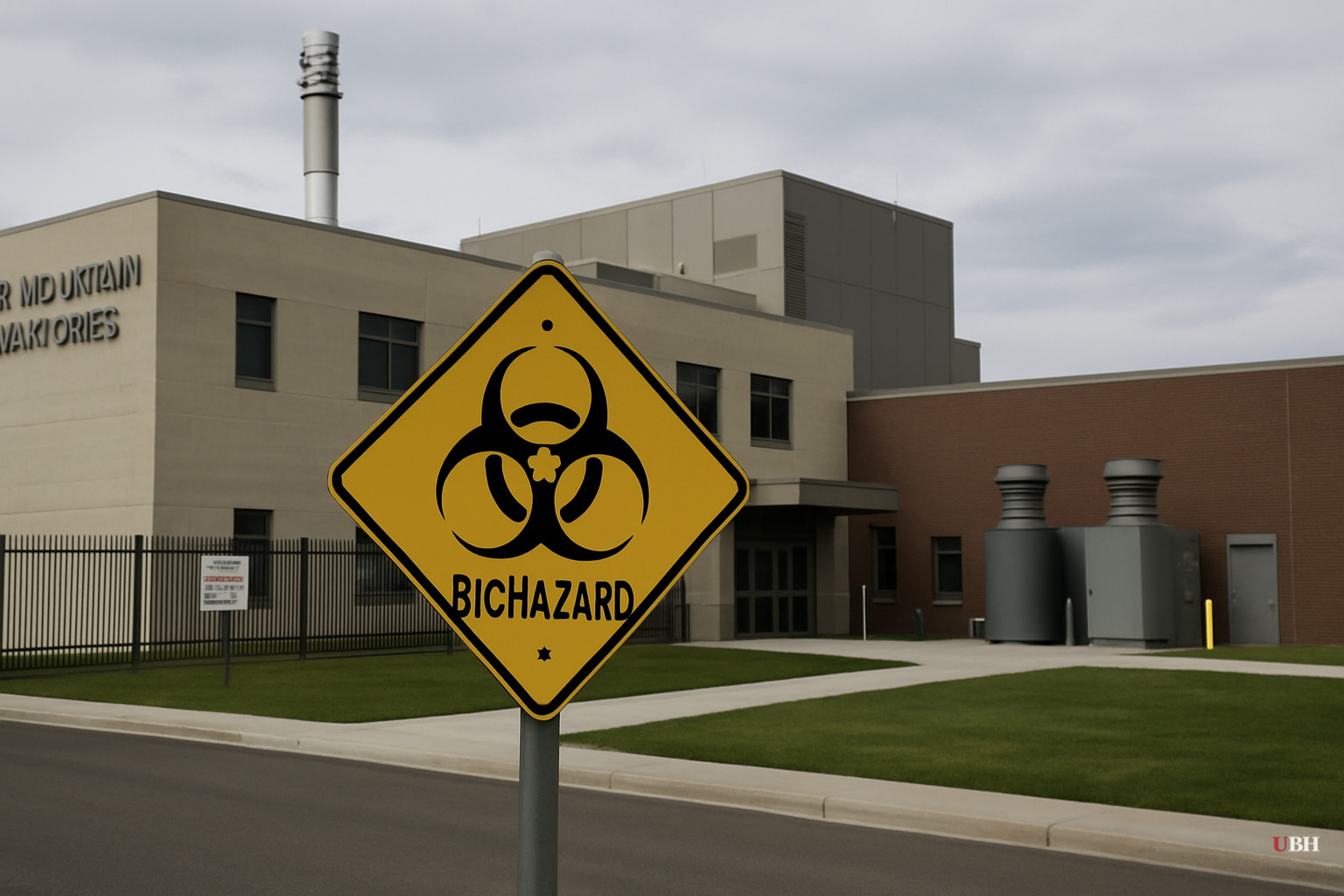
Two Charges, 113 Vials, One Lab Already Under Scrutiny
Dr. Vincent Munster, 53, chief of the Virus Ecology Section at the NIH's Rocky Mountain Laboratories, and research fellow Claude Kwe, 38, were charged on June 2 with conspiracy to smuggle mpox into the United States and making false statements to federal law enforcement. Both are foreign nationals. Munster earned his doctorate from Erasmus University in the Netherlands and joined NIAID in 2009; Kwe is from Cameroon.
According to The Guardian and the Bitterroot Star, the two arrived at Detroit Metropolitan Airport on January 25 after a nine-day research trip to the Republic of Congo, where they had been studying the mpox strain driving that country's ongoing outbreak. Customs and Border Protection stopped them over a large black plastic case. The men described it as holding "diagnostic and testing equipment." It actually contained 113 sealed laboratory vials packed inside styrofoam coolers.
FBI analysis of 20 vials found 17 containing deactivated mpox virus, one containing chickenpox virus, and two containing human DNA. The contents of the remaining 93 vials have not been publicly identified, according to The Guardian.
When asked for required documentation, Munster allegedly told officials, "Yes yes, it's all in my laptop, but you won't need them. I do this all the time."
He did not have the required paperwork. That statement—"I do this all the time"—is now central to the criminal complaint, according to The DisInformation Chronicle's reporting by Paul D. Thacker.
Both men have been charged but NOT convicted. Under the charges, each faces a maximum sentence of five years.
The Lab's Safety Record Before the Arrests
Rocky Mountain Laboratories is a BSL-4 facility, meaning it operates under the highest biocontainment standards available. It studies Ebola, Nipah virus, hantavirus, and other lethal pathogens, often using bats, monkeys, and mice as research animals.
The criminal charges did not emerge from a clean safety record. Senator Tim Sheehy's May 26 letter to HHS Inspector General T. March Bell documented two prior incidents:
In November 2025, an RML employee's personal protective equipment was breached by a monkey bite. The employee was exposed to Crimean-Congo hemorrhagic fever (CCHF), a tick-borne virus with a fatality rate of up to 40 percent, and required quarantine at a specialized medical facility.
In February 2026, a second RML employee was potentially exposed to CCHF through a hole in their PPE while handling laboratory mice.
According to whistleblower documents reported by Thacker at The DisInformation Chronicle, NIH executives at the Montana site had still not addressed safety gaps revealed by the November 2025 monkey-bite incident by the time the new documents were provided. "They don't have a real protocol if you're exposed to something at BSL-4," the whistleblower told Thacker.
Sen. Sheehy's letter also noted that NIH's own reporting shows two incidents involving the "theft, loss, or release of a pathogen" at RML in the past year.
Congressional Pressure From Both Chambers
Sheehy's May 26 letter asked the HHS Office of Inspector General to review RML's safety and security practices, its personnel management, and NIH's protocols for handling employees under active investigation.
The House Committee on Energy and Commerce has since announced it is "examining concerns" about NIH following the June 2 charges, according to The Guardian. In a letter to NIH director Dr. Jay Bhattacharya dated June 16, the committee requested details about Munster and Kwe's work, the origin and transport of the biological samples, whether NIH authorised or was aware of the trip, and the agency's response after learning of the allegations.
NIH published a statement on June 3, shared by RML, that reaffirmed the agency's "expectations regarding the handling, transport, storage, documentation, and stewardship of research materials." It added that "maintaining public trust in our work requires a shared commitment to accountability, transparency, and strict adherence to established biosafety and biosecurity requirements." The statement did not address the prior PPE breaches or the whistleblower's claims about inadequate BSL-4 emergency protocols.
The Case for Munster
Munster is a legitimate, widely published scientist. The Guardian notes approximately 400 publications and 69,000 citations to his name. He and colleagues earned a Golden Goose Award in 2020 for research that contributed to COVID-19 vaccine development, according to the Bitterroot Star. He and Kwe co-authored 12 mpox-related reports since 2023, working directly on the Congo outbreak strain. Supporters of this type of research argue that bringing back inactivated virus samples for analysis is exactly what virologists are supposed to do in response to active disease outbreaks, and that paperwork requirements, while legally mandatory, can be genuinely cumbersome in time-sensitive field conditions.
That argument does not address the allegation that Munster actively misled federal agents about what he was carrying. The charges rest not on whether the science was legitimate, but on whether he lied to law enforcement and bypassed import documentation requirements that apply to deactivated samples on commercial aircraft. Those are distinct questions.
What Is Still Unknown
The Bitterroot Star noted that the criminal allegations drew additional attention from the White Coat Waste Project, a nonprofit opposing government-funded animal testing, which circulated a separate whistleblower report alleging inadequate safety disclosures at the facility. WCW has its own institutional interests in criticizing NIH's animal research programs.
The contents of 93 of the 113 vials have not been publicly disclosed. Whether the HHS Inspector General will formally open a probe and what scope it will take remains an open question facing RML.
Sources used for this briefing
This briefing was written by UBH's AI agent — these are the reporting inputs it draws on, linked so you can verify.


