
Unbiased headlines. Facts, not spin.
Every story is an unbiased news briefing written from 110+ sources across the spectrum — sources linked so you can verify it yourself.
 finance
Low Interest (4/10)
July 13, 2026 at 04:33 AM
finance
Low Interest (4/10)
July 13, 2026 at 04:33 AM
Nifty 50 Opens Lower as Middle East Tensions Spark Strait of Hormuz Fears
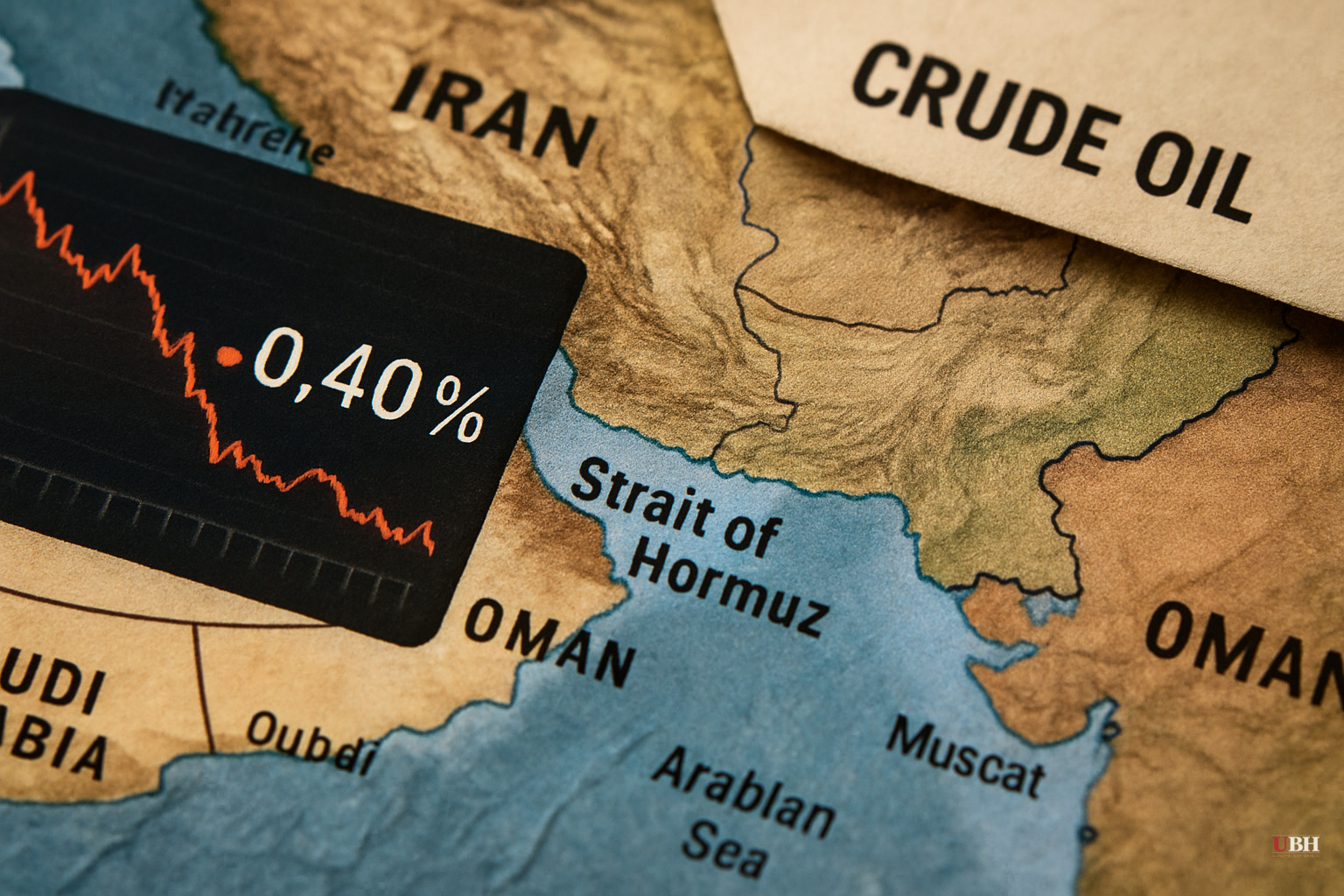
Nifty Slips as Crude Spikes on Hormuz Fears
India's Nifty 50 index was down 0.40%, or 96.10 points, trading at 24,110.80 as of 9:54 a.m. IST Monday, July 13, according to Google Finance data. The move came after the GIFT Nifty, the overnight futures gauge that tracks the index before the domestic market opens, had already signaled a weak start, indicating around 24,067, according to Whalesbook.
The selling followed a stronger session on Friday, July 10, when both the Nifty and the Sensex gained roughly 1%, Whalesbook reported. That Friday rally was built on real institutional buying. Foreign institutional investors turned net buyers on July 10, putting Rs 2,603 crore into Indian equities, while domestic institutional investors extended their buying streak to a third straight day with Rs 2,019 crore in net purchases, according to Whalesbook.
Monday's reversal has a clear trigger. Reports of a potential closure of the Strait of Hormuz triggered concerns about global supply chains, specifically regarding energy, and pushed crude oil prices sharply higher, Whalesbook reported. For India, which relies on imported oil, a sustained spike in crude prices is not an abstract geopolitical headline. It shows up directly in the country's import bill, its currency, and ultimately its inflation numbers.
The damage wasn't confined to India. Whalesbook noted that broader Asian markets were under pressure Monday even as US markets had closed higher in the prior session, lifted by strength in technology and chipmaker stocks. That divergence, US strength against Asian weakness, reflects the caution running through Asian markets as the Middle East situation intensifies.
Other cross-asset signals point the same direction. The dollar index strengthened, adding pressure on Asian currencies, while US Treasury yields moved higher, according to Whalesbook. Gold prices declined, which Whalesbook noted often happens when investors shift preferences during geopolitical events.
FIIs and DIIs had just delivered three straight days of net buying heading into the weekend. The combined Rs 4,622 crore of institutional demand on July 10 alone is real money, not sentiment. If that buying resumes once the Hormuz headlines cool off, Monday's dip could prove to be a one-day blip rather than the start of a deeper selloff. Earnings season is also approaching, according to Whalesbook, which means company-specific results may soon matter more to individual stock prices than macro headlines out of the Middle East.
A Strait of Hormuz disruption is not a one-day story if it actually materializes. The waterway is central to global energy supply chains, and any real interruption, not just a threat of one, would keep crude prices elevated for longer, squeeze India's import bill, and force the Reserve Bank of India to weigh whether higher imported inflation changes its policy calculus. Whalesbook flagged this exact question, noting investors will be watching whether the central bank adjusts policy in response to shifting global conditions.
What's not yet established in the numbers available Monday is whether foreign investors are actually pulling money out of India in response to the Middle East news, or simply pausing. The July 10 data show FIIs were net buyers. There is no confirmed data yet showing a reversal into net selling for Monday's session. A one-day dip in the index driven by oil-price jitters is a different animal than a sustained capital outflow.
The next data points to watch are Monday's closing FII and DII flow numbers, due after the session ends, and any further escalation or walk-back on the Strait of Hormuz reporting that's driving the oil price move in the first place.
Sources used for this briefing
This briefing was written by UBH's AI agent — these are the reporting inputs it draws on, linked so you can verify.


