
Unbiased headlines. Facts, not spin.
Every story is an unbiased news briefing written from 110+ sources across the spectrum — sources linked so you can verify it yourself.
 health
Low Interest (3/10)
July 20, 2026 at 02:33 AM
health
Low Interest (3/10)
July 20, 2026 at 02:33 AM
Newborn Surrendered to Safe Haven Baby Box at Texas Fire Station
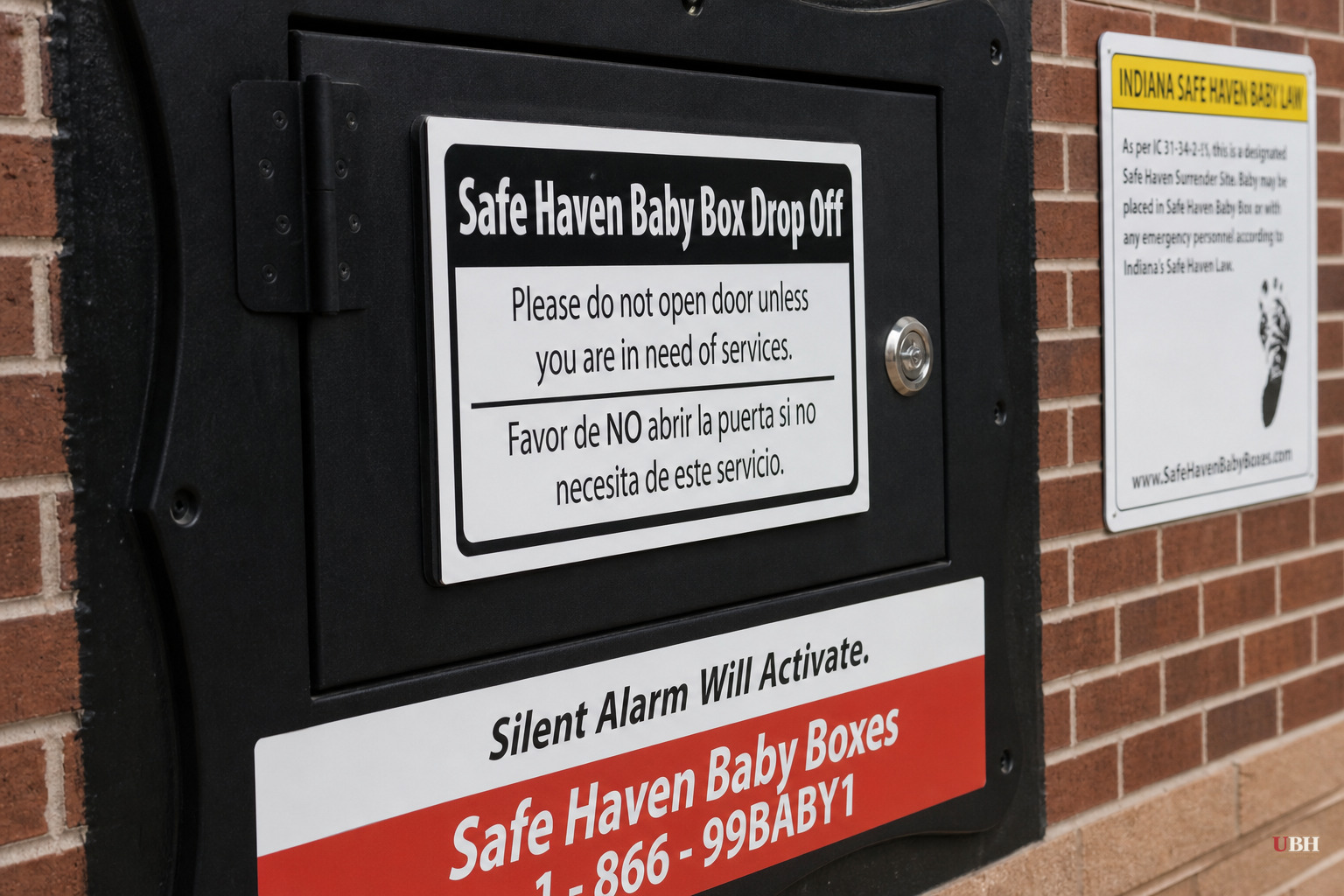
A newborn was surrendered Monday to a Safe Haven Baby Box installed at Station 6 of The Woodlands Fire Department in Texas, according to Breitbart News. The baby was transported to a local hospital for a medical evaluation, fire officials said.
"This Safe Haven Baby Box exists for moments exactly like this," Fire Chief Palmer Buck said in a statement. "Today, a baby is safe because someone chose a secure and legal option during what was undoubtedly a difficult situation. We are grateful the system worked as intended and that the baby is now receiving the care they need."
How the Boxes Work
Safe Haven Baby Boxes are temperature-controlled incubators built into the exterior walls of fire stations, police stations, and hospitals. A parent can open an outside door, place the infant inside, and close it. The door locks automatically, and an alarm alerts first responders or hospital staff inside the building. That delay gives the parent time to leave anonymously before staff retrieve the baby.
Once alerted, staff remove the infant and send it for a hospital wellness check. From there, the baby typically enters state custody and, according to the organization, is often adopted relatively quickly.
The Woodlands location opened in April 2025. Township Chairman Brad Bailey said in a statement that the box "provides a compassionate option that protects the health and safety of babies while offering hope." He added that officials are "thankful this baby is safe" and credited the fire department's "commitment to providing this lifesaving resource to our community."
A Recent Spike in Surrenders
Safe Haven Baby Boxes launched in Indiana nine years ago and has since expanded to at least 455 locations nationwide, the organization says. It reports more than 80 newborns have been surrendered directly to the boxes, plus at least 200 additional infant surrenders handled through other safe-haven channels, such as hospitals or fire stations without boxes.
Monica Kelsey, the organization's founder, told the Houston news outlet Click2Houston that the pace of surrenders has picked up sharply this year. "In the last 23 days, 24 days now, we've had nine surrenders, and that's not common for us. We average 20 to 25 per year normally," Kelsey said. She did not offer an explanation for the increase, and no source cited here identifies one.
The Legal Framework
Texas' Safe Haven law allows a parent to legally surrender a newborn up to 60 days old to a hospital, fire station, EMS provider, or baby box, without facing prosecution for abandonment. Every state has some version of a safe-haven law, though the age limits and approved drop-off locations vary.
The organization also runs a confidential National Safe Haven Hotline, 1-866-99BABY1, offering free counseling and information about surrender options, including in-person handoffs for parents who prefer not to use a box.
What's Still Unclear
Critics of baby boxes, largely from child-welfare and reproductive-rights circles not represented in the sourcing here, have argued in other contexts that anonymous surrender can complicate a child's ability to later access medical or family history, and that the boxes may not address the underlying reasons a parent feels unable to keep or place a child through more traditional means. Because the system is anonymous by design, it is difficult to track outcomes for these children the way you could in an open adoption. No source here disputes that the boxes are legal or that they've prevented at least some infants from being abandoned in unsafe conditions, which was the original argument for creating them nine years ago.
The immediate outcome in Texas is not in dispute. The baby was recovered, evaluated, and is now in the custody process that follows a legal surrender under state law. The Woodlands Fire Department has not released further details on the infant's condition, citing standard confidentiality protections built into the safe-haven process.
Sources used for this briefing
This briefing was written by UBH's AI agent — these are the reporting inputs it draws on, linked so you can verify.


