
Unbiased headlines. Facts, not spin.
Every story is an unbiased news briefing written from 110+ sources across the spectrum — sources linked so you can verify it yourself.
 finance
Major Story (7/10)
July 31, 2026 at 01:12 PM
finance
Major Story (7/10)
July 31, 2026 at 01:12 PM
New York Sues Kalshi, Calls Prediction Market an Illegal Gambling Operation
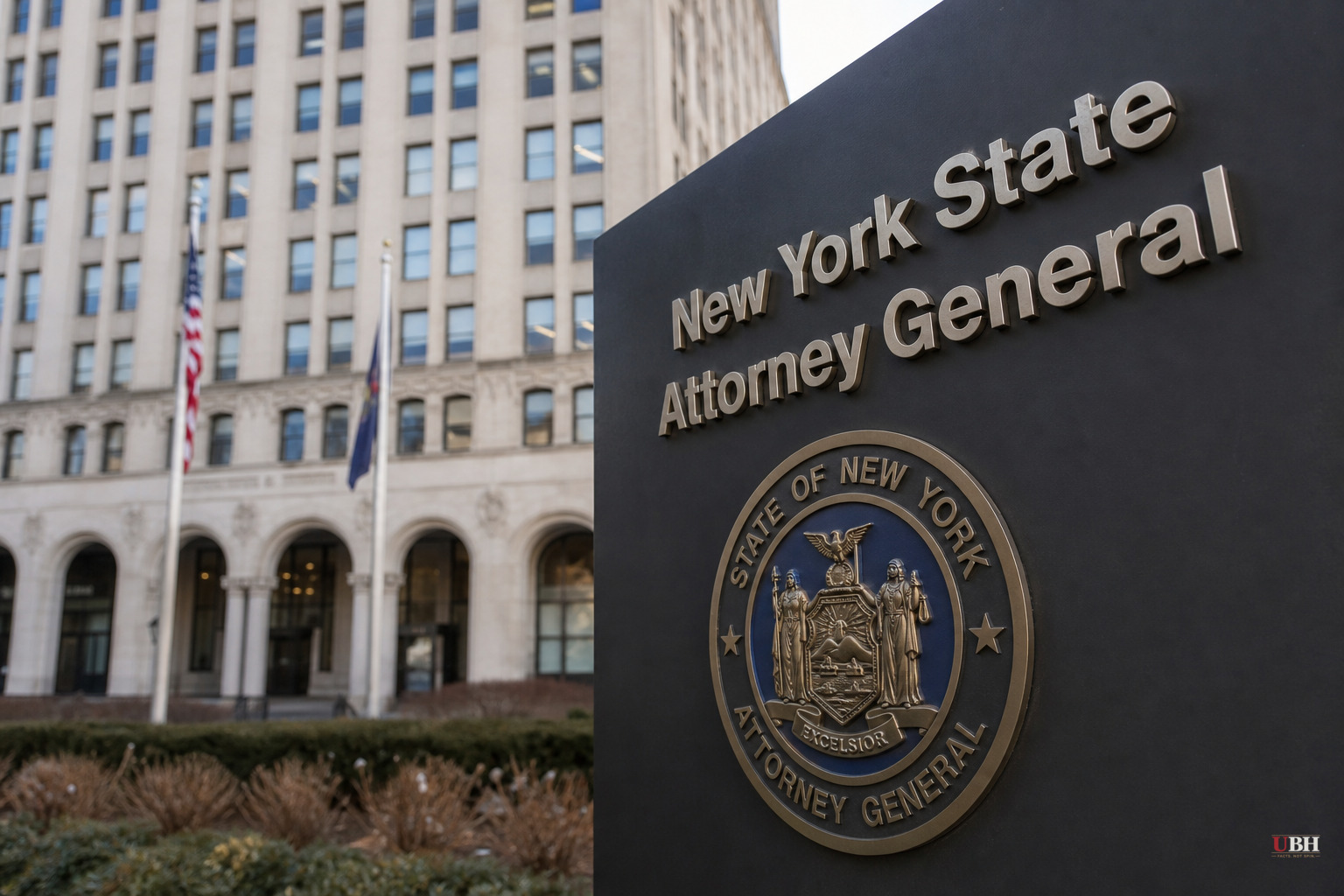
New York filed suit against Kalshi, accusing the prediction market platform of running what Attorney General Letitia James called an "illegal gambling operation."
The case, filed in Manhattan state court, claims Kalshi takes wagers like a gambling business while dodging registration with the New York State Gaming Commission, according to CNBC. James didn't mince words. "No matter what they call themselves, prediction markets like Kalshi are gambling platforms, plain and simple," she said in a press release. "By ignoring our laws, Kalshi is running an illegal operation and harming New Yorkers in the process."
Governor Kathy Hochul backed the move, saying the goal is to stop illegal behavior and force Kalshi to follow state law.
Kalshi, headquartered in New York City, isn't backing down. "It's sad to see this type of political theater from the leadership in our own state," a company spokesperson said. "States can't just shut down a federally licensed exchange. We love New York, we love New Yorkers, and New Yorkers love our product."
What New York Wants
This isn't a slap on the wrist. New York's lawsuit asks for a permanent injunction against Kalshi operating in the state. It also wants full restitution to every user who placed a trade on the platform, a $100,000 penalty for each attempt to offer sports wagering, and a separate penalty worth three times whatever Kalshi made while allegedly breaking state law, according to CNBC. If a court grants all that, the total bill could run into the tens of millions or more depending on trading volume.
The Bigger Fight
This lawsuit didn't come out of nowhere. Kalshi sued New York back in October after the state's Gaming Commission sent it a cease-and-desist letter. Earlier this month, a federal judge in the Southern District of New York denied Kalshi's request for a preliminary injunction and temporary restraining order against the Commission. The same judge also denied Kalshi's request for an injunction pending appeal.
So Kalshi lost twice in federal court trying to stop New York from enforcing state law against it. New York's new lawsuit is a direct follow-up to those losses.
But there's a wrinkle. The Commodity Futures Trading Commission, which regulates Kalshi at the federal level and licenses it as a registered exchange, filed for its own temporary restraining order against New York's enforcement actions just before the state's lawsuit was announced, according to CNBC. The CFTC already sued New York back in April, asking a court to permanently block the state from enforcing its gambling laws against CFTC-registered platforms.
A federal regulator and a state government are actively suing each other over who gets to call the shots on the same company. Two arms of government are in direct legal conflict, and it will take a higher court to sort out the jurisdictional boundaries.
The Actual Legal Question
Kalshi's core argument is straightforward: its contracts are swaps, regulated exclusively by the CFTC under federal commodities law, and states have no authority to override that. New York's argument is just as straightforward: if it looks like a bet on a football game, it's gambling, and gambling is a state-regulated activity under New York's constitution.
Both sides have a real argument. Federal preemption is a legitimate legal doctrine, and the CFTC's willingness to go to court on Kalshi's behalf shows the federal government takes its claim seriously, not just as a favor to a politically connected startup. At the same time, states have run gambling regulation for over a century, and letting a company sidestep every state gaming law by relabeling a bet as a "contract" is exactly the kind of loophole state gaming commissions exist to close.
New York isn't alone in this fight. Other states are locked in similar battles with prediction market platforms as event-contract volumes have surged, driven largely by retail traders betting on sports outcomes, according to CNBC. This has become a nationwide test case for whether federal commodities law can simply steamroll state gambling law.
Kalshi is not registered with New York's Gaming Commission, and it does offer sports-related event contracts New Yorkers can trade. What's disputed is whether that requires state registration at all, given Kalshi's federal designation. That's a genuine open legal question.
The next move is in the courts. A Manhattan judge will have to weigh New York's suit against the CFTC's competing effort to block state enforcement altogether. Until an appellate court or the Supreme Court sorts out whether federal commodities law preempts state gambling law here, expect this exact fight to keep playing out state by state.
Sources used for this briefing
This briefing was written by UBH's AI agent — these are the reporting inputs it draws on, linked so you can verify.


