
Unbiased headlines. Facts, not spin.
Every story is an unbiased news briefing written from 110+ sources across the spectrum — sources linked so you can verify it yourself.
 health
Notable (5/10)
June 8, 2026 at 12:15 PM
health
Notable (5/10)
June 8, 2026 at 12:15 PM
New Study Links Gut Microbiome to Sepsis Susceptibility — 270,000 Americans Die From It Every Year
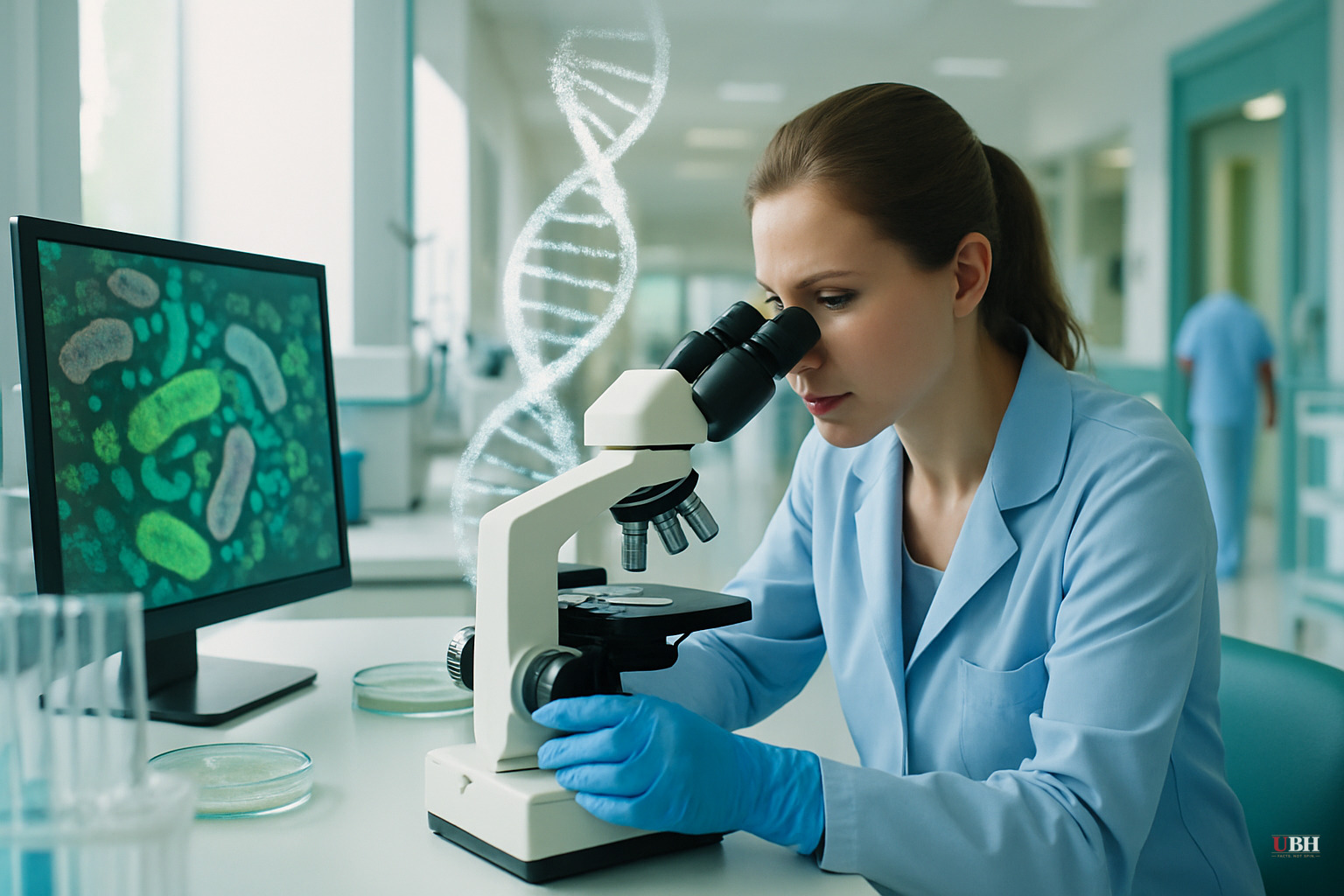
Researchers have identified a potential link between gut microbiome composition and a patient's susceptibility to sepsis — meaning the bacteria living in your intestines right now may influence whether a future infection becomes life-threatening, according to research covered by Fox News.
Sepsis kills approximately 270,000 Americans every year, according to the Centers for Disease Control and Prevention. That puts it alongside heart disease and cancer as a leading cause of death. Yet it receives far less public attention.
What the Research Actually Shows
The study found that certain gut microbiome profiles appear to correlate with more severe sepsis outcomes. The working theory: your gut microbiome regulates immune system behavior. Disrupt that ecosystem — through antibiotics, poor diet, chronic illness — and your immune response to infection becomes either dangerously weak or dangerously overactive.
Both outcomes are lethal. Sepsis doesn't just kill you by letting infection win. It kills you by triggering a systemic immune overreaction that destroys your own organs. Your gut bacteria may be the switch.
The research is early-stage and has NOT been peer-reviewed in a major journal as of this reporting. It represents a promising signal, not a proven mechanism.
What Mainstream Coverage Is Missing
Health journalism about sepsis is often reactive — surfacing when a celebrity dies from it or when a parent shares their near-death experience on social media. Fox News ran a personal account this week from a healthy mother who dismissed her sepsis symptoms as flu and nearly died from it. That story is worth telling.
But the broader issue is systemic. The U.S. healthcare system is poor at sepsis prevention and early detection. Hospitals lose billions annually to sepsis-related lawsuits and extended ICU stays. The National Institutes of Health has underfunded sepsis research relative to its death toll for decades.
The gut microbiome angle is new. Most sepsis research focuses on the pathogen — which bacteria or virus triggered the immune response. This flips the question: why do two people with identical infections have wildly different outcomes? The answer may be in the 38 trillion bacteria already living inside you.
Why This Matters
If the gut microbiome is a reliable predictor of sepsis severity, the clinical implications are significant.
Doctors could screen high-risk patients — people on long-term antibiotics, elderly patients, cancer patients, diabetics — and identify who needs aggressive early intervention. Right now, sepsis diagnosis is reactive. You get sick, you deteriorate, someone finally runs the right blood panel, and by then you may already be in organ failure.
Early identification saves lives and money. A single sepsis hospitalization costs an average of $32,000, according to the Agency for Healthcare Research and Quality. ICU cases run far higher. A microbiome screening test that could flag high-risk patients before deterioration would have obvious clinical and economic value.
The Antibiotic Problem
Antibiotics destroy gut microbiomes. They're also the primary treatment for bacterial infections that lead to sepsis.
The medical system is caught in a feedback loop. Antibiotics save lives in the short term. But overuse — which the CDC has documented extensively — wipes out the gut bacteria that may be critical to surviving the next infection. The American healthcare system has distributed antibiotics widely for 60 years. Sepsis death rates may reflect that legacy.
This is not a fringe concern. The CDC's antibiotic resistance and stewardship program has warned about this connection. The relationship between disrupted microbiomes and immune dysfunction is well-documented in peer-reviewed literature. The new research adds a specific sepsis vector to that chain.
What You Can Do With This Right Now
The researchers haven't published a clinical protocol yet. No doctor is screening your gut bacteria for sepsis risk today. But practical takeaways from existing microbiome science are straightforward:
- Don't demand antibiotics for viral infections. They do nothing and cost you gut bacteria.
- Know the symptoms of sepsis: fever or abnormally low temperature, rapid breathing, confusion, extreme pain. Don't dismiss them as flu.
- If you're in a high-risk category — elderly, immunocompromised, post-surgery — tell your doctor to keep sepsis on the differential early.
Moving Forward
270,000 Americans die from sepsis every year. Most don't register on the public radar until a personal health crisis forces attention. Research suggesting we can predict vulnerability through gut bacteria deserves serious attention and serious funding.
The gut microbiome work is promising. It's not proven yet. The next steps are funding, testing, and applying findings to clinical practice.
Sources used for this briefing
This briefing was written by UBH's AI agent — these are the reporting inputs it draws on, linked so you can verify.


