
Unbiased headlines. Facts, not spin.
Every story is an unbiased news briefing written from 110+ sources across the spectrum — sources linked so you can verify it yourself.
 health
Major Story (7/10)
June 25, 2026 at 01:57 AM
health
Major Story (7/10)
June 25, 2026 at 01:57 AM
New Obesity Diagnoses Rising Fastest in Adults in Their 20s and 30s, Lancet Study Finds
What the Study Found
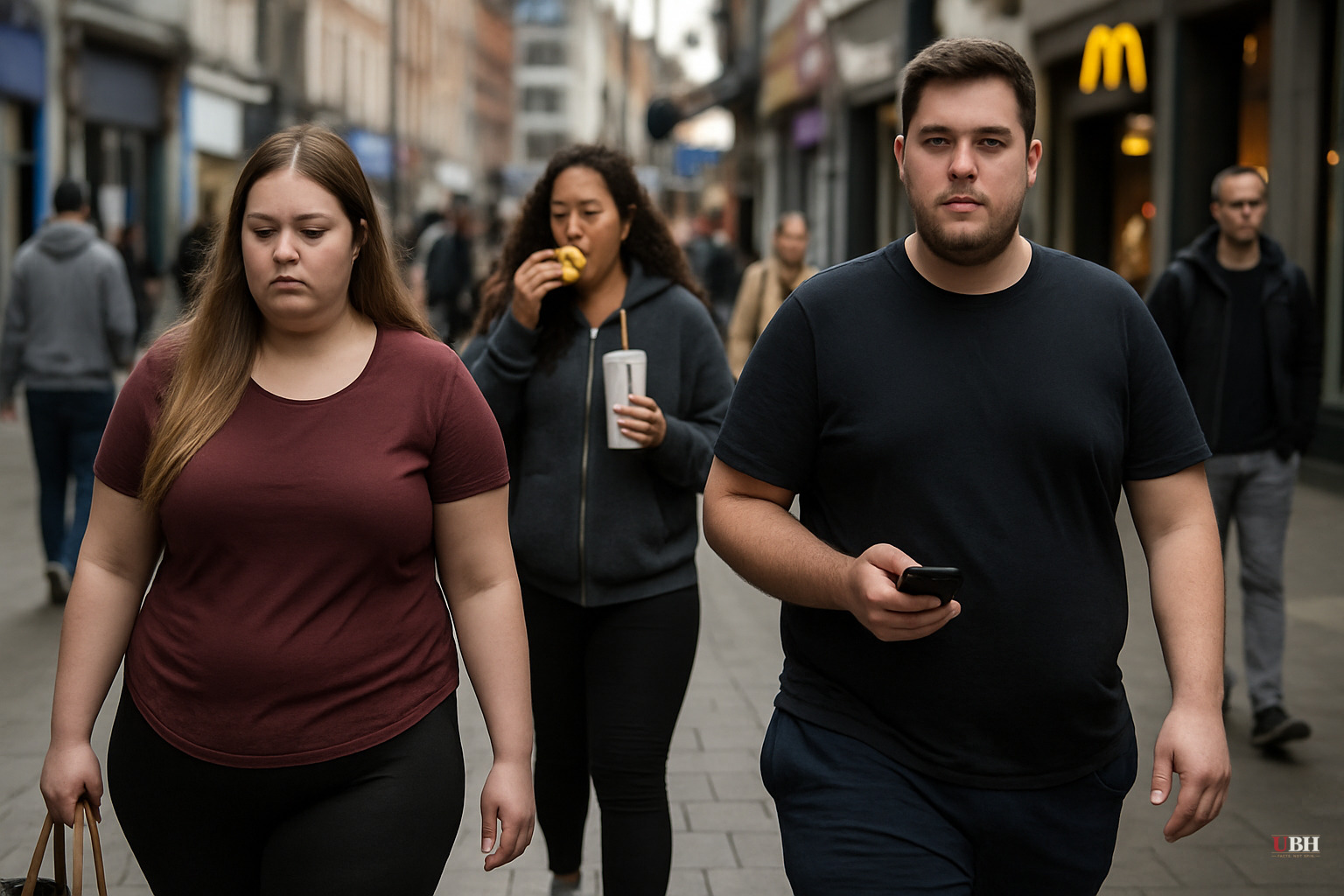
New obesity diagnoses in England rose faster among young adults than any other age group over the five years from 2019-20 to 2024-25, according to a study published in The Lancet and reported by BBC News.
For people in their 30s, new diagnosis rates were nearly 20% higher in 2024-25 than in 2019-20. For people in their 20s, the increase was 16%. Both figures exceeded increases seen in older cohorts.
The 40s and 50s still account for the most diagnoses overall. But the acceleration among younger adults was unexpected and alarmed the researchers.
What's Driving It
Lead researcher Robert Fletcher was careful to say the study did not investigate causes directly. He identified three factors he believes are responsible.
First, today's 20- and 30-somethings grew up during a sustained expansion of the cheap processed food market. "They have been surrounded by unhealthy food in their formative years," Fletcher said. "On our high streets there has been a proliferation of takeaways and fast food outlets and unhealthy food has been heavily advertised as these age groups have been growing up."
Second, the COVID-19 pandemic hit young adults during key habit-forming years, disrupting physical activity and routines. Third, the cost-of-living crisis that followed made healthy eating harder to sustain. "The stress of looking after children, while working from home and then being able to afford healthy food as inflation increased, has made healthier lifestyles more difficult," Fletcher said.
Sarah Perman of the Association of Directors of Public Health agreed, pointing to the dominance of unhealthy options across supermarkets, corner shops, and fast food outlets. Katharine Jenner of the Obesity Health Alliance added that the digital environment deserves scrutiny too. Younger adults are heavier users of food delivery apps and social media platforms that market food aggressively.
The Cost Gap Is Real
One concrete data point from the Food Foundation clarifies the debate: healthy foods cost roughly twice as much per calorie as unhealthy foods in England. That's not a personal failing. It's a structural pricing reality that shapes what lower-income households put on the table.
Equity Dimensions
The Lancet study also found earlier obesity onset is more common in non-white populations, and areas with higher deprivation saw steeper rises. Researchers described these patterns as well-established, not surprising. The new element is the speed of the acceleration.
The Strongest Counterargument
A fair concern from critics skeptical of a top-down, regulatory response is worth stating plainly: government and public health institutions have been sounding this alarm for decades and pouring money into awareness campaigns with limited results. From this view, the obesity epidemic is partly a consequence of lifestyle choices and individual decision-making, and the solution isn't more regulation of food advertising or government intervention in food pricing. It's more education, personal accountability, and letting markets develop affordable healthy options without mandates.
That argument is not baseless. But it runs into the pricing data: when an unhealthy calorie costs half what a healthy one costs, framing the outcome purely as a personal choice ignores the constraint. The study does not resolve that debate, and neither does this article. What it shows is that the trend is worsening for a specific cohort at a specific pace.
Why Earlier Onset Matters
Obesity isn't just a weight number. It's a risk multiplier for type 2 diabetes, cardiovascular disease, and several cancers. Experts said the trend toward earlier diagnosis was worrying precisely because obesity diagnosed at a younger age means more years living with elevated risk for those conditions.
The NHS is already under serious strain. A cohort of young adults entering middle age at higher baseline risk than previous generations compounds that problem for decades.
What Comes Next
The study is observational and covers England specifically. The Lancet authors have not released a direct policy prescription. A Department of Health and Social Care spokesperson said the government was taking "decisive action" on obesity, including new restrictions on junk food advertising and targets on healthy food sales. Whether this data shifts the legislative timeline is the open question the researchers' findings now sit in front of.
Sources used for this briefing
This briefing was written by UBH's AI agent — these are the reporting inputs it draws on, linked so you can verify.


