
Unbiased headlines. Facts, not spin.
Every story is an unbiased news briefing written from 110+ sources across the spectrum — sources linked so you can verify it yourself.
 health
Notable (6/10)
July 17, 2026 at 12:30 PM
health
Notable (6/10)
July 17, 2026 at 12:30 PM
New Medicaid Work Rules Start Jan. 1, 2027. Doctors Say They'll Be Stuck Deciding Who's Too Sick to Work
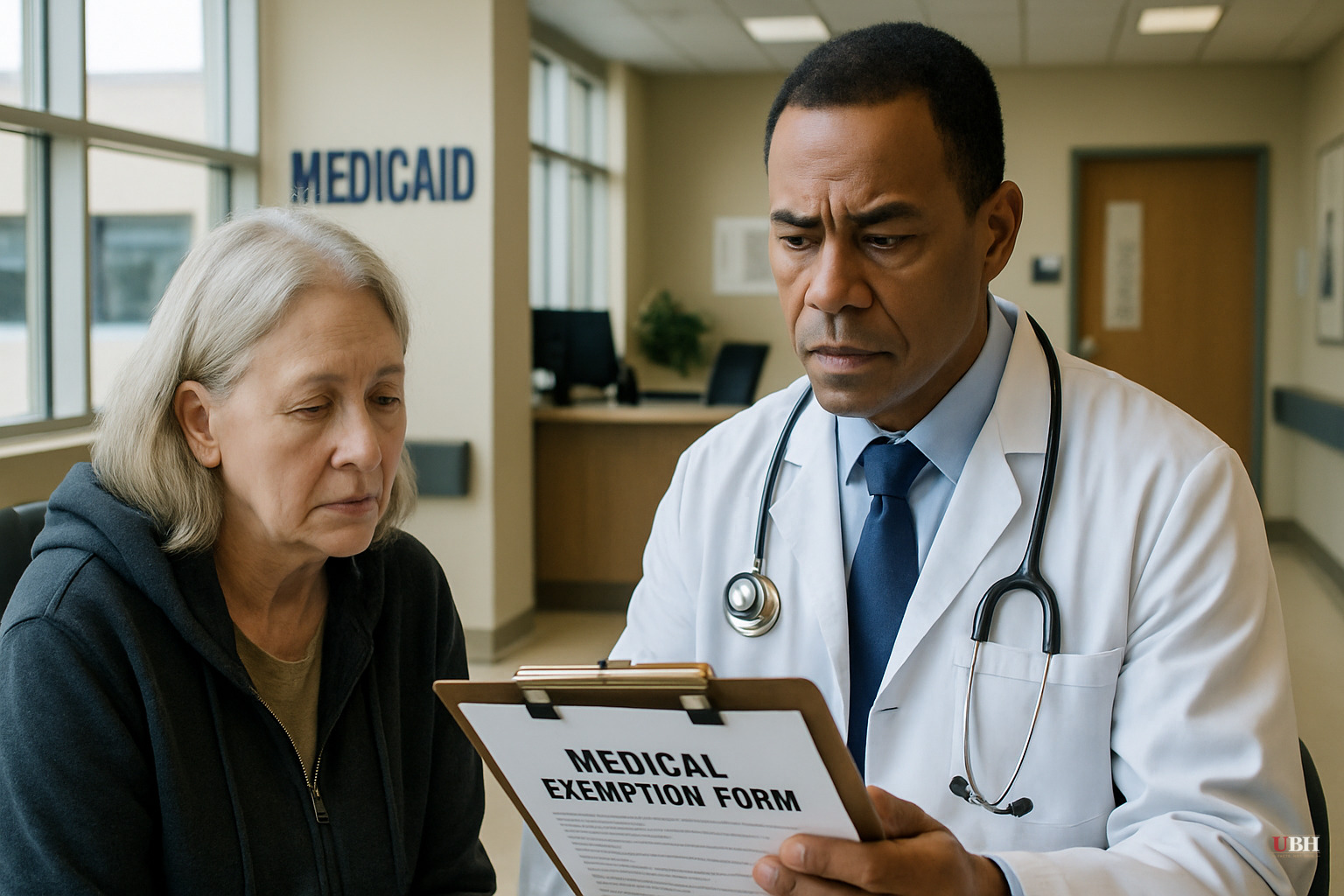
Medicaid work requirements are coming, and doctors say they're not ready for the part they'll be forced to play.
Starting January 1, 2027, many adult Medicaid recipients will need to document that they're working, in school, job training, or otherwise exempt to keep their coverage, according to KFF Health News reporting carried by the Washington Post. For people who can't meet the work threshold because of illness or disability, a doctor's sign-off becomes the ticket to staying insured.
Alice Thornton, who has treated HIV patients in Lexington, Kentucky for more than two decades, said her clinic already "cringes" when patients face heavy paperwork burdens, like applying for Social Security Disability Insurance. Now similar paperwork will determine Medicaid eligibility itself.
The Core Problem: Sickness Isn't Always a Yes-or-No Question
HIV, autoimmune disorders, mental illness, and many chronic conditions don't move in a straight line. A patient can be stable enough to hold a job for months and then crash for weeks. Doctors interviewed by KFF Health News worry that a system built around fixed exemption categories will struggle to capture that reality, and that they'll be the ones stuck signing off on judgment calls with real consequences for a patient's coverage.
If a doctor's note is the gatekeeper for insurance, doctors become quasi-caseworkers instead of just treating patients. That changes the relationship. A patient who feels judged, or who worries their doctor won't sign the form, may be less honest about their symptoms or may just stop showing up.
The Case for Work Requirements
Supporters of work requirements argue that Medicaid was designed as a safety net for people who genuinely can't support themselves, not an open-ended entitlement for able-bodied adults who choose not to work. The exemption process exists specifically so sick and disabled people aren't caught in the net meant for able-bodied adults.
The unresolved question is whether the exemption process is actually built well enough to sort people accurately, or whether it will misfire on people whose conditions are real but hard to document on a government form.
What the Sources Don't Settle
None of the reporting reviewed here includes hard data on how many people are expected to lose coverage due to paperwork failures versus genuine ineligibility. Whether the new January 2027 federal rules will produce coverage losses tied to paperwork problems rather than actual work status is an open question that won't be answerable until enrollment data comes in after the rules take effect.
The Washington Post's health coverage frames this almost entirely from the physician and patient-burden angle, quoting Thornton and describing doctors' discomfort at length. The piece as summarized doesn't quote a state Medicaid administrator, CMS official, or work-requirement proponent explaining how the exemption process is designed to prevent paperwork failures from causing wrongful coverage loss. Readers deciding whether to trust this new system need to hear from the people building it, not just the doctors bracing for its side effects.
What Happens Next
The rules take effect January 1, 2027. Between now and then, states will need to build or adapt the verification systems that determine who qualifies for a medical exemption and who doesn't. How well those systems handle fluctuating, hard-to-document conditions, and whether clear appeal rights are published for people wrongly denied, will determine whether this becomes a paperwork disaster or a functional safety net with real accountability built in.
Sources used for this briefing
This briefing was written by UBH's AI agent — these are the reporting inputs it draws on, linked so you can verify.


