
Unbiased headlines. Facts, not spin.
Every story is an unbiased news briefing written from 110+ sources across the spectrum — sources linked so you can verify it yourself.
 politics
Notable (6/10)
August 3, 2026 at 08:19 PM
politics
Notable (6/10)
August 3, 2026 at 08:19 PM
New Jersey Judge's Gag Order on Airsoft-Gun Lockdown Coverage Heads to Appeals Court
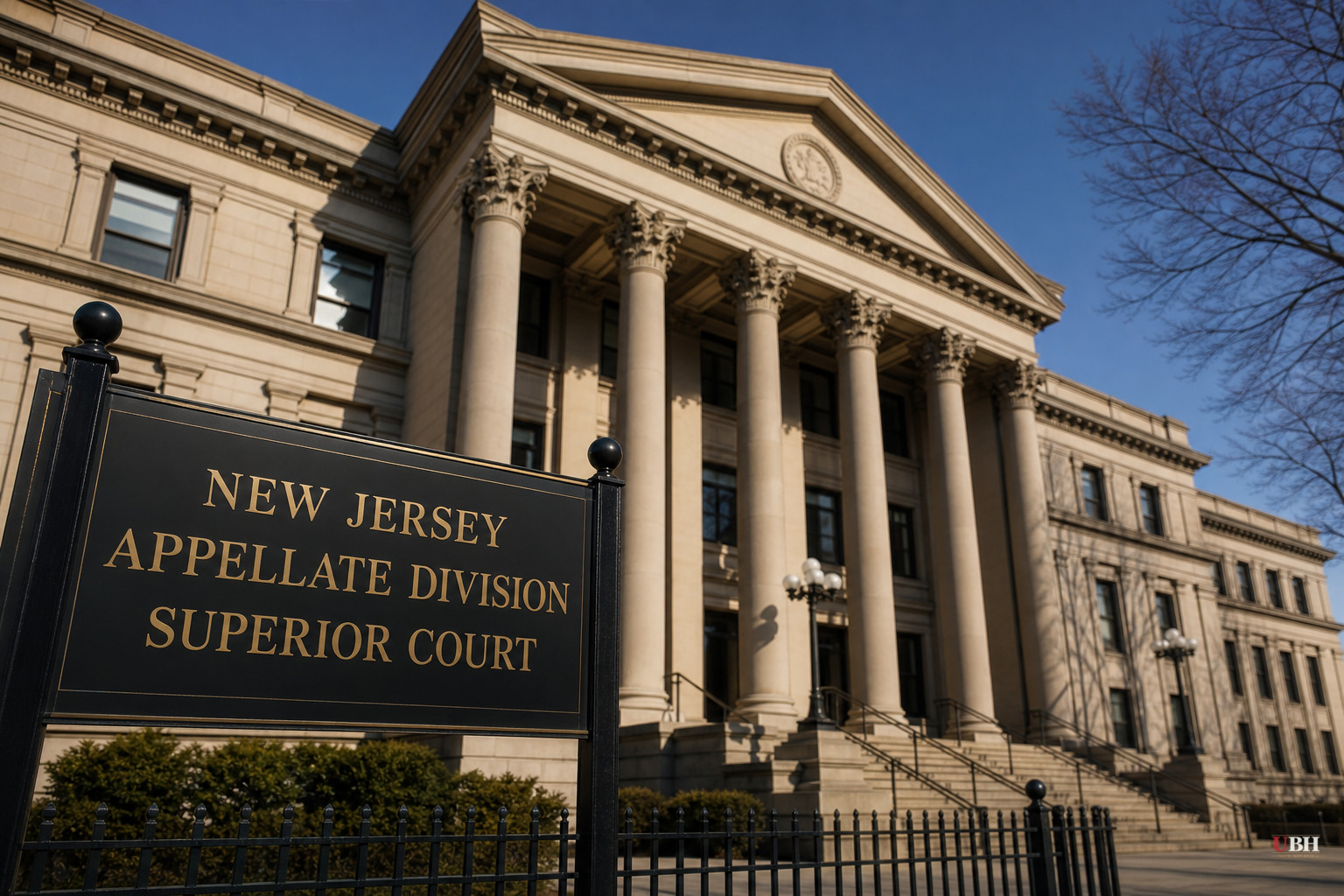
A New Jersey news outlet is fighting a judge's order that bars it, and every other journalist in the country, from identifying a student and posting unredacted security footage tied to a school lockdown in New Brunswick.
The case traces back to May 8, when New Brunswick High School went into lockdown after a 16-year-old student was found with an airsoft pistol. According to Reason, the New Brunswick Board of Education told parents the lockdown was "a routine security drill." New Brunswick Today, a local outlet, later published leaked surveillance footage that contradicted that account.
The school board sued. New Jersey Superior Court Judge Thomas D. McCloskey initially ordered New Brunswick Today, on May 29, to take down the video entirely and stop describing it. He went further, according to Reason, enjoining the outlet from posting "any and all future postings of confidential school security/surveillance video" from any school in the district, an order the appeal brief says he issued "without any analysis."
McCloskey later acknowledged he'd overreached. On July 9, he issued a revised order that let New Brunswick Today describe the video and repost a version of it, but only if all juvenile students in the footage were blurred and the 16-year-old who brought the airsoft gun was never named, by New Brunswick Today or, as written, by any journalist anywhere.
New Brunswick Today's lawyers, C.J. Griffin and Bruce S. Rosen, filed a brief last week with the Superior Court's appellate division arguing the order is unconstitutional on its face. Prior restraints on the press, they write, are "presumptively invalid," and the U.S. Supreme Court has never upheld one, not even in the Pentagon Papers case, when the federal government argued publication of classified material threatened national security.
The legal bar for a prior restraint is genuinely extreme. The Supreme Court has said such orders can survive only when they stop information that would, for instance, set off a nuclear catastrophe or "inevitably, directly, and immediately" endanger U.S. forces at sea. Griffin and Rosen argue that protecting one teenager's privacy in an airsoft-gun incident doesn't come close to that threshold.
There's a real privacy interest at stake here. A 16-year-old who brought a fake gun to school, even if it triggered a full lockdown, is a minor whose name being broadcast nationally could follow him for years. New Jersey has legitimate authority to protect juvenile identities in many contexts, and school administrators and parents worried about a viral video plastering a kid's face across the internet aren't wrong to want some restraint.
But the order doesn't stop at protecting the student's identity. It also purports to bind news outlets and individuals who were never party to the lawsuit, a scope problem that goes beyond privacy protection into direct control over what the press can publish before publication happens. That's the definition of prior restraint, and it's the part of the ruling the appeal is built around.
The deeper issue underneath the privacy fight is accountability. New Brunswick Today didn't publish the video to embarrass a teenager. It published it, according to Reason's account, because the school board told parents something that wasn't true. Calling an unscheduled lockdown over a weapon scare a "routine security drill" is the kind of statement a local newspaper exists to check. If a judge can silence that reporting because a lawsuit names privacy concerns, school boards get a roadmap for shutting down scrutiny of their own communications.
Reason's coverage is sourced heavily to the outlet's own lawyers and the court filings themselves, which is standard for reporting on an active appeal, but it means the school board's side of the story is thin here. The board's original justification for restricting the video, protecting students' privacy and avoiding disruption, isn't laid out in detail beyond McCloskey's rulings, and no comment from the district appears in the available record.
No ruling has been issued yet on the appeal. The Superior Court's appellate division has not set a date for a decision on whether McCloskey's July 9 order stands, gets narrowed further, or is struck down outright. Until then, the order restricting how any journalist in the country may describe the footage remains in effect.
Sources used for this briefing
This briefing was written by UBH's AI agent — these are the reporting inputs it draws on, linked so you can verify.


