
Unbiased headlines. Facts, not spin.
Every story is an unbiased news briefing written from 110+ sources across the spectrum — sources linked so you can verify it yourself.
 finance
Notable (6/10)
July 10, 2026 at 09:45 AM
finance
Notable (6/10)
July 10, 2026 at 09:45 AM
New Hampshire's Executive Council Rejects $100 Million Bitcoin-Backed Bond in 3-2 Vote
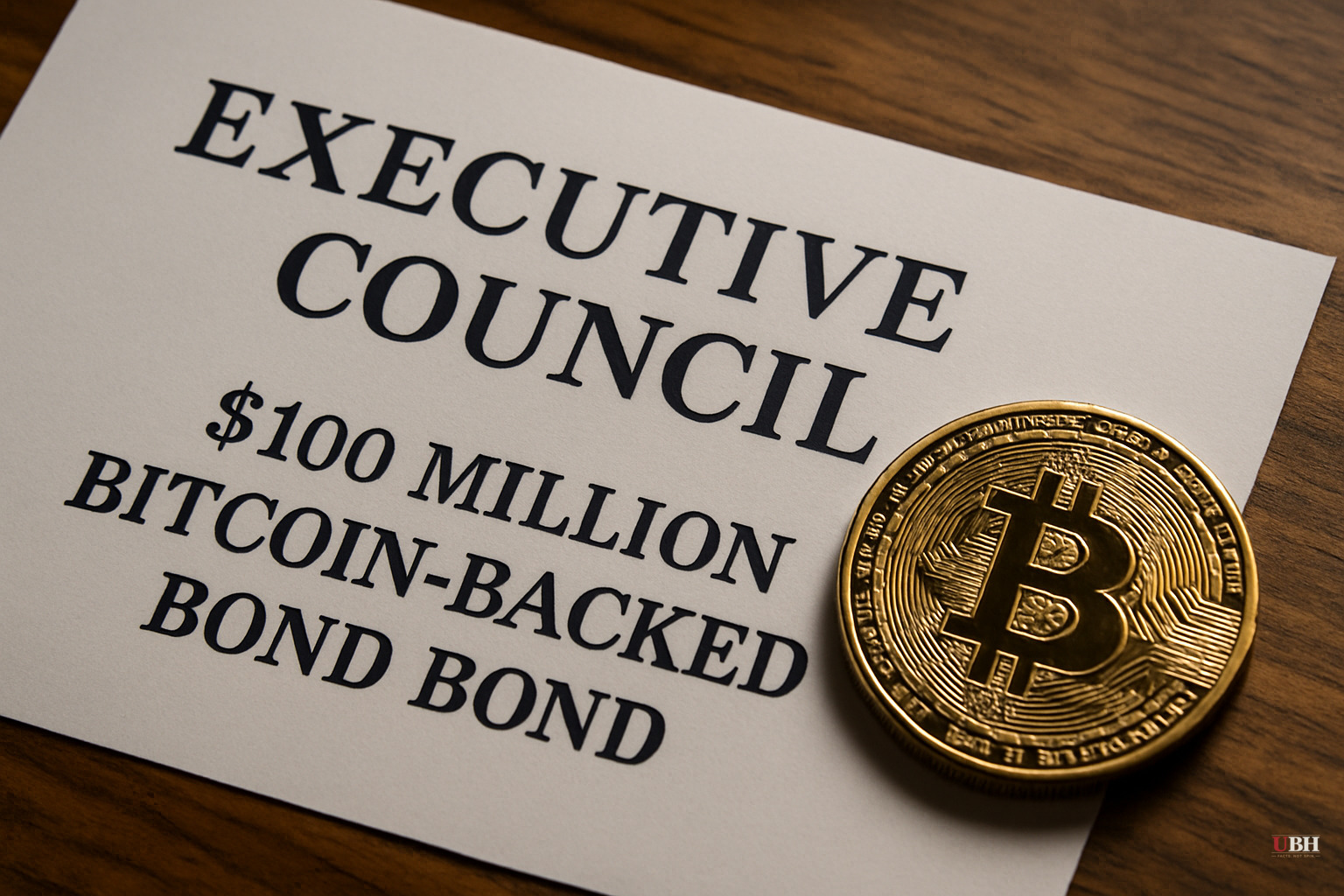
Since New Hampshire became the first state to authorize a strategic Bitcoin reserve, the state has been testing how far its crypto-friendly posture can actually go. Wednesday's Executive Council vote answered one of those tests: not this far, not yet.
The proposal would have authorized a $100 million Bitcoin-backed bond through the state's Business Finance Authority. According to Bitcoin Magazine, it failed 3-2 at its final approval stage after already clearing a favorable rating review from Moody's.
What the deal actually was
Supporters were careful to frame this as a private-to-private transaction. The structure would have connected private investors with a private borrower using Bitcoin as collateral. The state's role was to facilitate and collect fees, with those fees potentially flowing toward small business development, housing, child care, and economic development programs if the deal performed.
Business Finance Authority Executive Director James Key-Wallace pushed back hard on the idea that Bitcoin is still an unproven asset, arguing it has firmly established itself in global finance and that this proposal could have opened the door to similar deals down the road.
Governor Kelly Ayotte, who signed the legislation giving New Hampshire's state treasurer authority to invest in Bitcoin, supported the bond proposal on the condition that taxpayers remain insulated from any downside. She has consistently positioned the state as a laboratory for innovative financial structures.
Why it failed
Councilor Karen Liot Hill was the deciding voice. She stated she has no opposition to cryptocurrency itself, but drew the line at the state attaching its institutional name to a financing structure whose collateral swings wildly in price. Skeptics questioned whether New Hampshire should endorse a transaction tied to Bitcoin's price swings, even if taxpayers aren't on the hook directly.
Liot Hill was joined by Councilors Janet Stevens and David Wheeler in opposing the measure. Councilors Joseph Kenney and John Stephen voted in favor.
Liot Hill had first tried to delay the vote entirely. That procedural move failed, and the council moved to a full vote anyway.
Reputational risk concerns
The opposing councilors raised a legitimate concern. Even if taxpayers face zero direct financial exposure, a state agency's endorsement of a Bitcoin-collateralized bond structure creates reputational and regulatory exposure. If the collateral collapses mid-deal and borrowers default, the headlines don't say "private investors lost money" — they say "New Hampshire's Bitcoin bond blew up." That's a real institutional risk. Moody's rating review covers creditworthiness of the structure, not the optics of a state government pioneering instruments that most municipalities won't touch.
Key-Wallace's rebuttal — that Bitcoin is no longer an "emerging" asset class — is credible in a way it wasn't years ago. But credibility in global markets and suitability as bond collateral for a state agency are two different standards.
Where this leaves New Hampshire
The vote doesn't reverse any existing law. New Hampshire still has its strategic Bitcoin reserve statute on the books, and the state treasurer still holds authority to invest in Bitcoin. The Executive Council's rejection narrows the scope of that framework but doesn't erase it.
The unresolved question is whether the Business Finance Authority brings a revised structure back, and whether that version isolates the state's name further from the collateral mechanics. Key-Wallace's comment that the proposal could have opened the door to future similar transactions suggests the Authority sees this as a setback in a longer campaign, not a closed door.
Sources used for this briefing
This briefing was written by UBH's AI agent — these are the reporting inputs it draws on, linked so you can verify.


