
Unbiased headlines. Facts, not spin.
Every story is an unbiased news briefing written from 110+ sources across the spectrum — sources linked so you can verify it yourself.
 health
Major Story (8/10)
July 21, 2026 at 03:27 PM
health
Major Story (8/10)
July 21, 2026 at 03:27 PM
New Data: 77,000 Fewer Kids Got US-Backed HIV Treatment After PEPFAR Cuts, 1,700 Clinics Closed
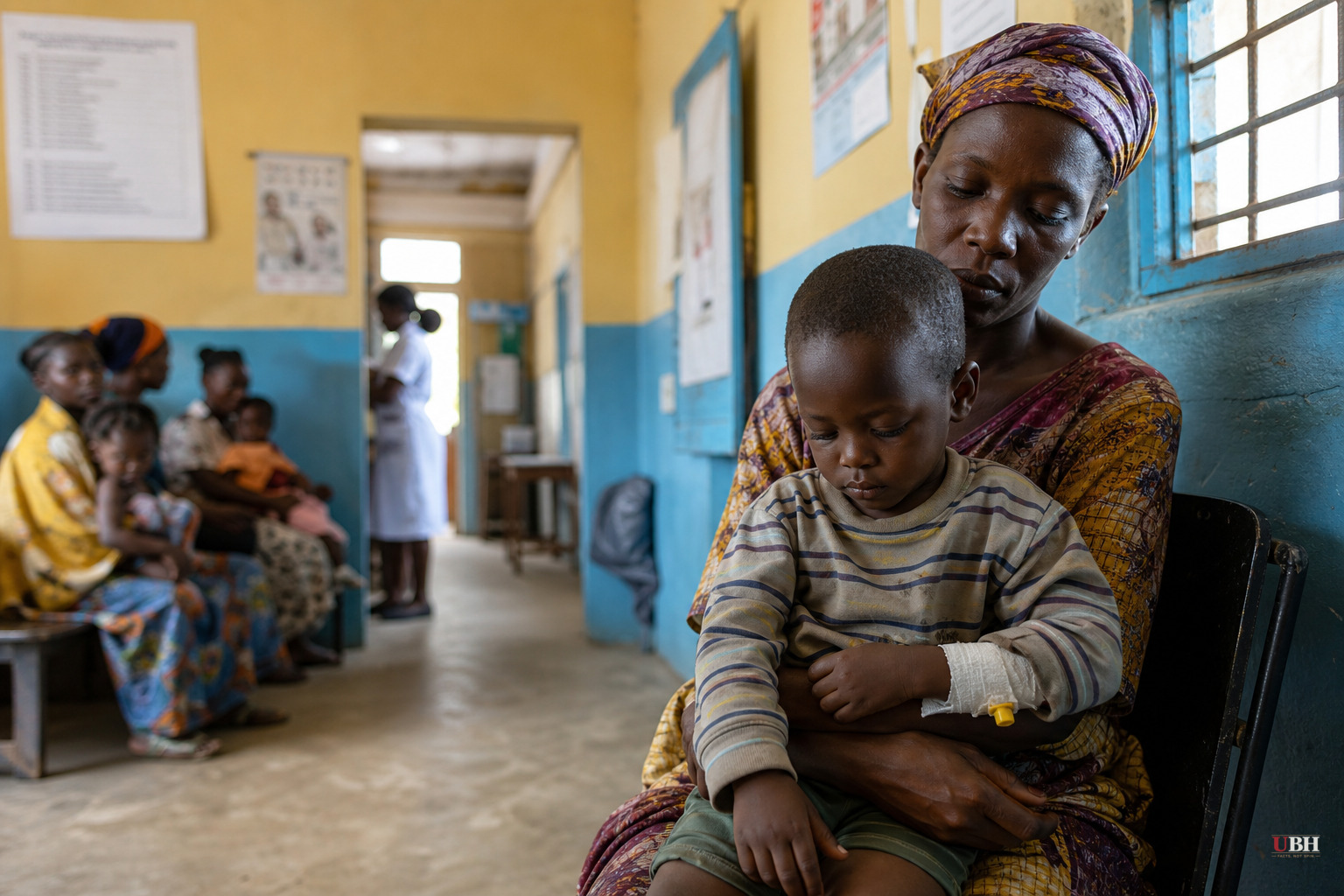
Since Donald Trump dismantled USAID in July 2025 and slashed funding to the President's Emergency Plan for AIDS Relief, aid groups have warned about fallout. Now there's data. Research presented Tuesday at the 26th International AIDS Conference in Rio de Janeiro quantifies the damage: 77,000 fewer children received US-supported HIV treatment in the year ending October 2025 compared to the prior fiscal year, according to the study covered by Ground News. Pediatric treatment fell 14% across 20 of 21 countries analyzed.
The broader picture, from a separate Pepfar Pulse report by the AIDS research foundation Amfar, is grim. Surveying 166 organizations across 46 countries that expected Pepfar funding in 2025, researchers found more than half had at least one terminated award. That translated into over 1,700 closed clinics, drop-in centers, or other sites, and more than 16,000 full-time staff laid off, according to the Guardian.
Prevention spending fell by more than half. Sixty-three percent of organizations reported service disruptions.
PEPFAR's track record made this cut different
Pepfar isn't some obscure line item. Launched under President George W. Bush in 2003, it's credited with saving more than 26 million lives, according to the Guardian. It's arguably the single most successful global health program the US government has ever run, and it drew support from both parties for two decades.
That history is why this story cuts differently than a typical foreign-aid fight. Elise Lankiewicz, policy associate at Amfar and co-lead author of the Pepfar Pulse report, put it bluntly: "No part of the programme really escaped unscathed, and that includes areas of the programme that this administration intended to protect."
The detail matters most here. The Trump administration issued a waiver in February 2025 specifically meant to let life-saving treatment and mother-to-child transmission prevention programs keep running even as other Pepfar funding got cut. The new data shows that waiver didn't work as intended. Almost two-thirds of organizations providing services to prevent mother-to-child HIV transmission reported disruption anyway, and a fifth ended those services entirely, according to the Guardian.
Lankiewicz explained why a supposedly protected program still got hit: "It's incredibly hard to cut one award without there being ripple effects throughout the system." More than half of Pepfar's grants were managed through USAID, the agency Trump dissolved. When the agency running the money disappeared, the programs riding on top of it didn't stay clean.
The fair case for cutting, and why the data complicates it
The administration's position, broadly, is that foreign aid spending needed sweeping review, that USAID had ballooned into a bureaucracy riddled with waste and mission creep, and that DEI-linked and reproductive-rights-adjacent programming had no business riding on taxpayer-funded health aid. It's a legitimate position. Nobody serious disputes that federal agencies need audits, and an administration campaigning on fiscal discipline has every right to scrutinize a decades-old aid apparatus.
The problem the new research raises isn't the principle of oversight. It's the execution. The February 2025 waiver was supposed to be the mechanism that separated the DEI-and-ideology spending from the life-saving treatment spending. According to Amfar's findings, that separation didn't hold up in practice. Organizations reported losing lab supplies, condoms, and drugs even in categories the waiver was designed to shield.
The report also notes that organizations still receiving US funding are adjusting programming to comply with the administration's policies on DEI, reproductive rights, and gender-affirming care. That's a deliberate, distinct issue from the funding cuts themselves, and it reflects the administration getting what it explicitly wanted on that front.
What's unresolved
Five organizations surveyed by Amfar have closed outright, three directly because of the funding cuts. The researchers warn the disruption risks reversing progress toward the global 2030 goal of ending the AIDS epidemic.
What's not yet clear is whether the State Department, which absorbed Pepfar's functions after USAID's dissolution, plans any course correction based on this data, or whether Congress will revisit funding levels in future appropriations. Neither source here reports a response yet from the State Department to the specific findings presented in Rio de Janeiro. That's the next thing to watch: whether the agency now running Pepfar treats a study showing a broken waiver as a fixable process problem, or as confirmation that the cuts were working as designed.
Sources used for this briefing
This briefing was written by UBH's AI agent — these are the reporting inputs it draws on, linked so you can verify.


