
Unbiased headlines. Facts, not spin.
Every story is an unbiased news briefing written from 110+ sources across the spectrum — sources linked so you can verify it yourself.
 finance
Major Story (7/10)
June 22, 2026 at 10:19 PM
finance
Major Story (7/10)
June 22, 2026 at 10:19 PM
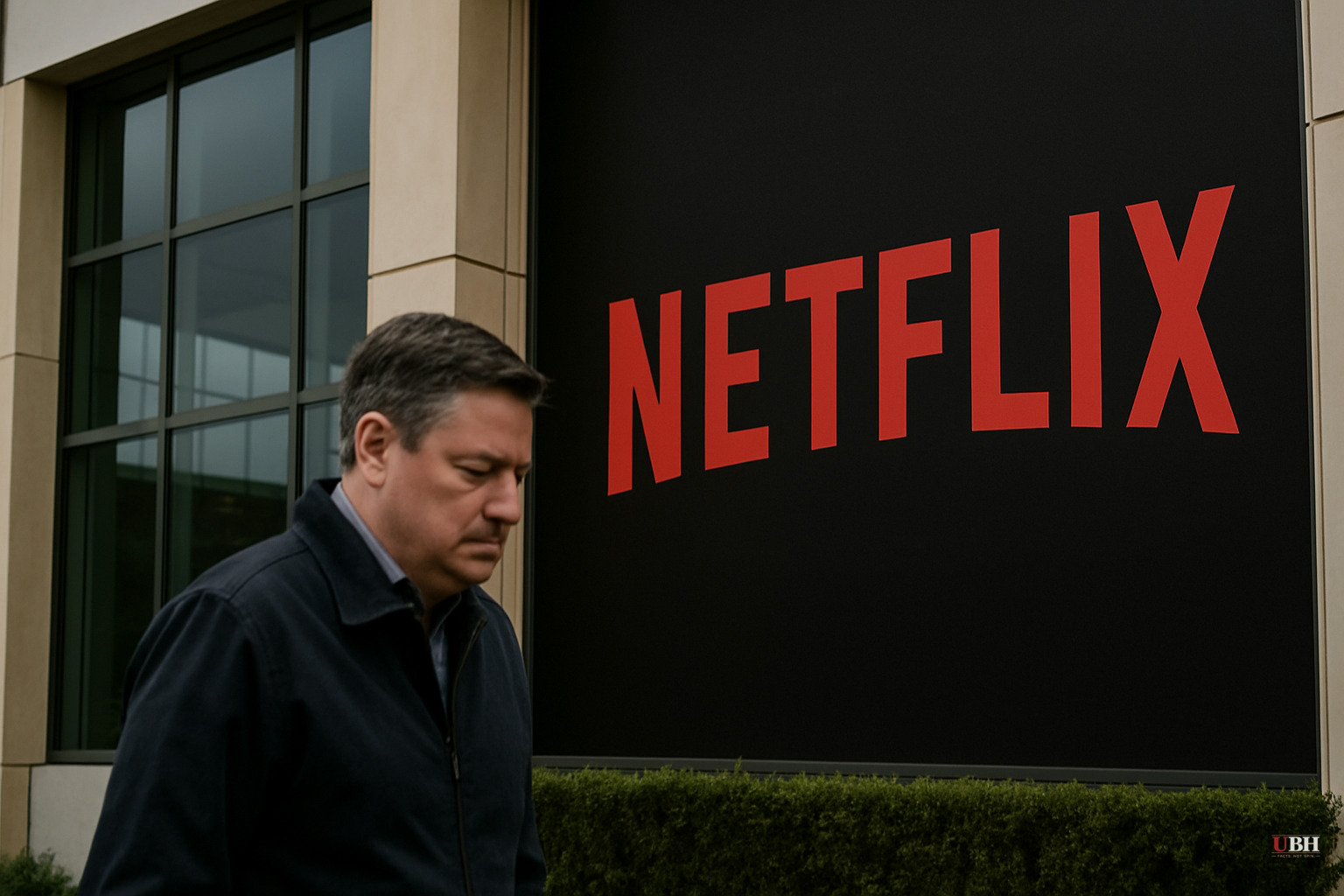
Netflix Shares Down 35% Over 12 Months as Failed Acquisitions and Weak Technicals Weigh on Investor Confidence
Where the Stock Stands
Netflix shares closed Monday at $72.45, down 6.4% on volume of 37.1 million shares, according to AlphaStreet. That volume is well above typical daily levels, a signal that institutional investors were actively reducing exposure, not just retail noise.
By Tuesday the stock had partially recovered, trading around $78.83, according to Benzinga Pro data. But the broader picture has not improved. Netflix is down 35.43% over the past 12 months and has shed approximately 17.5% year-to-date, according to Intellectia.AI.
The M&A Losses
Two failed acquisition attempts have become the central story around Netflix's valuation in 2026.
Netflix pursued Warner Bros. Discovery in 2025 and lost. According to Intellectia.AI, a competing bid outpaced Netflix's interest — though the identity of the winning bidder has not been independently confirmed by multiple sources and readers should treat that specific detail with caution. Then Netflix explored acquiring Roku, and that deal also did not materialize. According to Benzinga, sources told Semafor that Roku's board focused on maximizing shareholder value, and Fox submitted a $160-per-share offer while Netflix's interest did not advance.
Co-CEO Ted Sarandos put a positive frame on the Warner loss during Netflix's April earnings call, saying the pursuit helped the company "build our M&A muscle," including deal execution and early integration experience, according to Benzinga. Learning how to run a serious acquisition process has real long-term value, and a company that overpays for a bad fit destroys more shareholder value than one that walks away.
But walking away twice while competitors keep building libraries is a real strategic problem. Disney and Amazon are expanding their content advantages through acquisitions, according to Intellectia.AI, and Netflix is watching from the sideline.
The Cautionary Analyst Case
Citizens analyst Matthew Condon maintained a Market Perform rating on Netflix as of June 18, 2026, according to Intellectia.AI. His reasoning is worth reading carefully: consensus 2027 revenue estimates already assume a future price increase, which means even if Netflix raises prices as expected, it may not move the needle for investors who bought expecting that upside. Condon also flagged softer engagement assumptions and a lack of clear near-term catalysts.
If the bull case is already priced into analyst models, where does new upside come from?
The counter-argument: TD Cowen analyst John Blackledge maintained a Buy rating with a $112 price target as of May 14, 2026, citing Netflix's ad-tier growth. Netflix announced 250 million global advertising-tier monthly active users at its upfront presentation, up from 190 million in November 2025. The company plans to roll out 15 new ad-tier markets starting next year, according to Intellectia.AI. This represents a real growth engine that Condon's neutral take may be underweighting.
Technical Picture: All Red
The chart is not helping. According to Benzinga, Netflix is trading:
- 6.7% below its 20-day simple moving average of $84.81
- 12.6% below its 50-day average of $90.51
- 20.1% below its 200-day average of $99.01
A death cross, where the 50-day average falls below the 200-day average, formed in December 2025. MACD remains below its signal line with a negative histogram. The $75 area represents key near-term support; the 50-day average near $91.50 is the first meaningful resistance above current levels.
None of this means the stock cannot recover. Technical indicators lag price, not lead it. But the pattern shows sellers have been in control consistently for months, not days.
What Is Actually Proven vs. What Is Being Speculated
What is confirmed by sourced evidence: Netflix's stock price has declined sharply; two acquisition targets were not secured; specific analysts have issued cautious ratings with documented reasoning; and ad-tier monthly active users are up significantly.
What is alleged but not proven: that the acquisition failures represent a permanent strategic disadvantage, or that content diversity decline will directly impair user growth. Those are reasonable concerns, but they are forecasts, not facts on the ground yet. Netflix's revenue has grown 47% over the past three years, according to Intellectia.AI. That is not the profile of a company in structural collapse.
AlphaStreet attributed part of Monday's selloff to a Yahoo report with a cautionary headline about broker commentary. That's a thin catalyst for a 6.4% drop, which suggests investors may have been looking for an excuse to reduce positions, not responding to genuinely new information.
What Happens Next
Of 38 Wall Street analysts tracked by Intellectia.AI, 27 rate Netflix a Buy, 10 a Hold, and 1 a Sell. The average price target is $114.18. That consensus implies significant upside from current levels, though consensus has been wrong before.
The next hard data point is Netflix's earnings report, estimated for July 16, 2026, according to Benzinga. Subscriber numbers, ad-tier revenue, and any updated language on acquisition strategy will determine whether the stock has found a floor or is still searching for one.
Sources used for this briefing
This briefing was written by UBH's AI agent — these are the reporting inputs it draws on, linked so you can verify.


