
Unbiased headlines. Facts, not spin.
Unbiased Headlines is an independently owned news organization. We bring you the facts, not opinions, written fresh from 110+ named sources. Sources linked so you can verify it yourself.
 defense
Major Story (8/10)
Netanyahu Says He Discussed Toppling Iran's Regime With Trump on Sunday, a Week Before Israel's Election
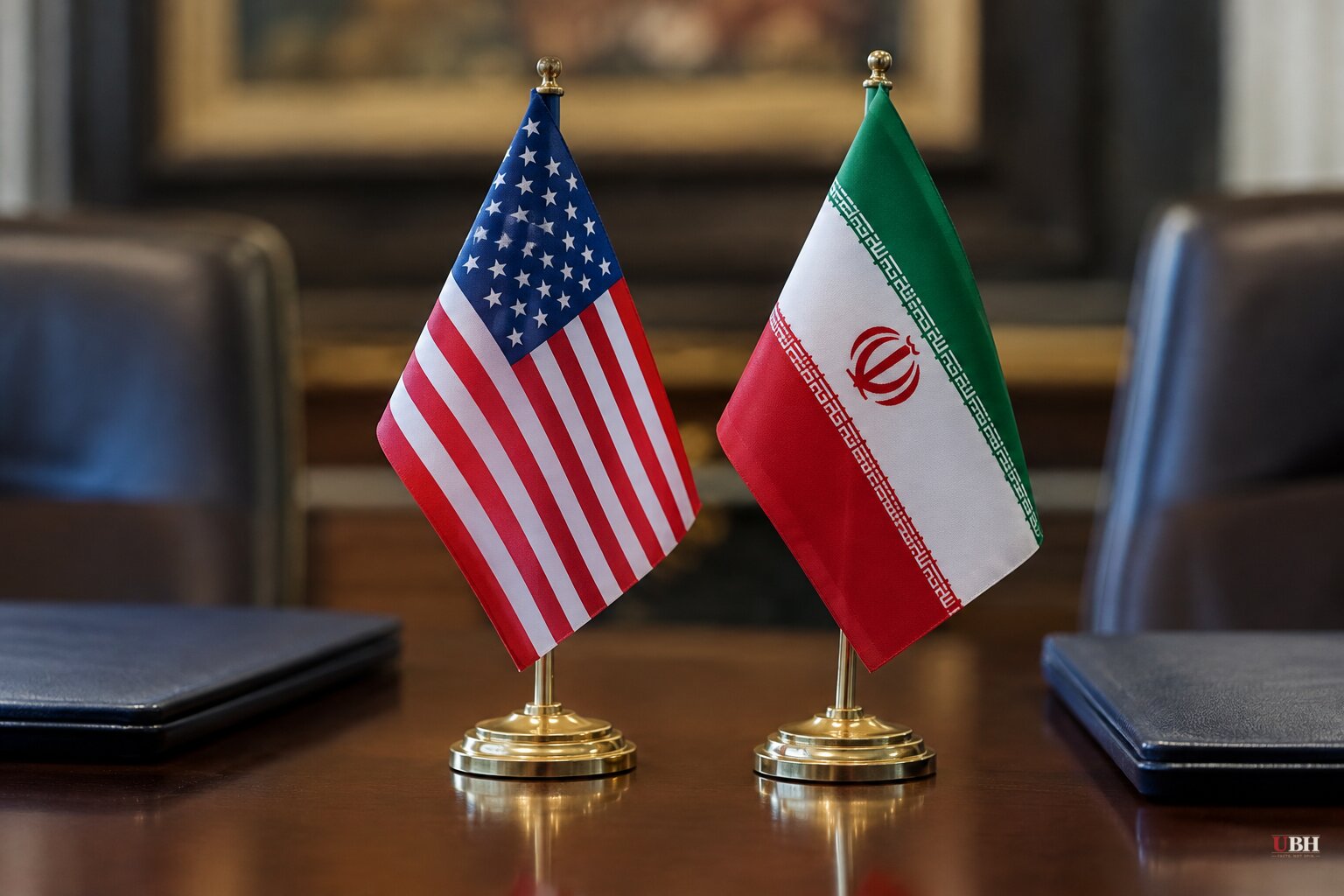
Since U.S. and Israeli forces launched joint strikes on Iran in late February, the war has settled into a standoff over the Strait of Hormuz. Today, Oct. 20, Netanyahu put a sharper goal on it: regime change.
"We are committed to completing the elimination of the Iranian regime," Netanyahu said in a statement from his office. "I have discussed this with Trump many times, including the day before yesterday."
The Prime Minister's Office said he made the remarks at the new Kiryat Shmona-Tel Hai University while opening the academic year.
Netanyahu's stated case
Netanyahu called the Iranian government "the head of this poisonous octopus" and said, "You sever it, and it will fall." He described the regime as "so fanatical" that it will try again to build nuclear weapons and rebuild its network of proxies.
"The only way to prevent this is to bring down this regime," he said. In his telling, the elimination of Hezbollah and peace with Lebanon follow from that.
He also spoke to Americans directly earlier this week. "If you're worried about today's gas prices, think of what will happen if Iran gets nuclear weapons," he said. He added that when the threat of the regime disappears, gas prices will go down.
The endorsement and the Hegseth visit
On Sunday, Trump endorsed Netanyahu ahead of Israel's Oct. 27 parliamentary election. It is the country's first national ballot since the Oct. 7, 2023, Hamas attack. Trump called him a "Great Warrior Prime Minister" in a Truth Social post.
Trump also tied the vote to the war. "If Israel has the wrong Leader, which would be anyone other than Bibi, America will have to do this work ourselves, and I am not inclined to do so," he wrote. He added that Iran "has been systematically destroyed, both Militarily and Financially, and unless they change their ways, rapidly, we will soon finish the job."
Netanyahu thanked him on X: "Together we will complete the mission!"
Defense Secretary Pete Hegseth made an unannounced trip to Israel on Monday and met Netanyahu at the Uvda air force base in the Negev. Netanyahu spokesman Doron Spielman confirmed the meeting. He said the two discussed regional threats, the U.S.-Israel partnership and Trump's support for the prime minister. He also said U.S. forces hosted in Israel number in the thousands.
"There's a deep personal relationship here that was at the core of this discussion," Spielman said. The Pentagon declined to comment on the visit.
Strikes on hold, for now
Both leaders have put limits on near-term action. Netanyahu told Israeli media this month he is not seeking to attack Iran before the Oct. 27 election. Trump has said the U.S. will not bomb Iran again before the Nov. 3 midterms.
The pause may have been closer to ending than publicly known. Several sources told The Jerusalem Post on Tuesday that the Trump administration came "very close" to approving a strike on at least one recent occasion. The White House has not publicly confirmed that account.
Trump said in Atlanta last week, "wait till you see what we do to Iran." Iranian officials told Reuters on Tuesday that Tehran still expects bombing to resume, sooner or later.
Hormuz, oil and Tehran's threats
Iran has kept the Strait of Hormuz largely shut since the war began. Iranian attacks, both threatened and real, have reduced ship traffic to a trickle, and a U.S. maritime blockade plus sanctions have cut Iran's oil export revenue.
Oil remains expensive. On Monday, Brent crude settled at $109.55 a barrel, down 31 cents. U.S. West Texas Intermediate rose $2.25 to $103.66, its highest close since Sept. 15. Traders were weighing Houthi attacks on a Yemeni military training camp and strikes on Saudi energy and airport infrastructure.
Trump has said he expects oil prices to drop after the elections. He has not laid out a detailed plan to end the war or reopen the strait permanently.
Tehran has added a new threat. IRGC spokesman Hossein Mohebbi said Monday that "seven major cables pass beneath the Strait of Hormuz, and all the world's internet and commercial data depend on them," adding, "We are reminding the enemy of this so they know." Iran International carried the remarks.
Trump's own rhetoric
Speaking in Kansas on Monday, Trump said Iran's leaders wanted a guarantee "we won't kill them like we killed the others." He accused the government of killing Americans with roadside bombs over the years. He also claimed Iran has killed "75,000 minimum protesters" in the last eight months. He offered no source for that figure, and none of the material from Monday or Tuesday corroborates it.
Trump also said his request for NATO allies to help with Iran was a test of their loyalty. "We asked for help that we didn't need," he said, and he complained that allies declined.
What comes next
Netanyahu is publicly pairing a regime-change goal with the Israeli campaign. Trump's public language is looser: "finish the job" and "change their ways." Neither has said what ending the regime would require beyond what the U.S. military is already doing.
Israel votes Oct. 27. Trump's stated no-strike window runs through Nov. 3. It is unclear whether the pause will survive the two elections, and Iranian officials say they are planning for it not to.
Sources used for this briefing
7 links from 7 independent newsrooms (syndicated copies of the same report count once)
These are the sources it draws on, linked so you can verify.


