
Unbiased headlines. Facts, not spin.
Unbiased Headlines is an independently owned news organization. We bring you the facts, not opinions, written fresh from 110+ named sources. Sources linked so you can verify it yourself.
 defense
Major Story (7/10)
EU Unveils First Arctic Strategy Since 2021, Targeting Russian Shadow Fleet, Cable Sabotage and an Icebreaker Gap
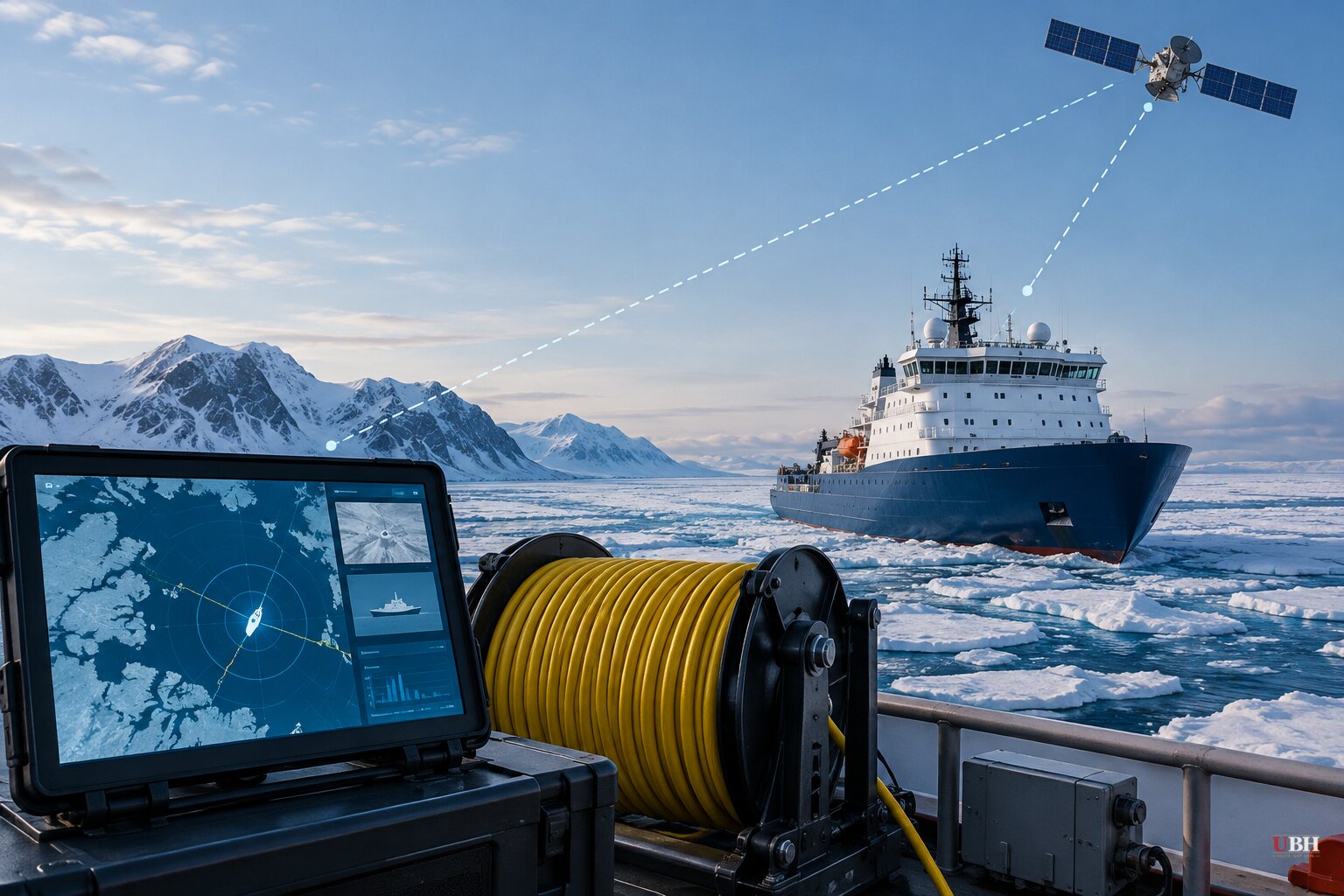
The European Union laid out a new Arctic strategy on Tuesday, Oct. 20, its first update since 2021. European Commission President Ursula von der Leyen presented it to reporters in Strasbourg. The document was produced by the Commission and EU foreign policy chief Kaja Kallas.
"The Arctic is one place where the tectonic plates of geopolitics are colliding," von der Leyen said. "When we see that sovereignty, territorial integrity and the rules that have underpinned stability in the region can no longer be taken for granted, we have to act and change our strategic posture."
What the plan contains
The centerpiece is security for undersea infrastructure. The EU wants to help set up a cable center to monitor, protect and repair communications cables in the North Atlantic and Arctic. EU money would go toward cameras, sensors and satellites to detect threats.
Russian submarines are suspected of planning to sabotage some marine infrastructure in the region. The Commission also intends to back a "sovereign, secure, and resilient submarine cable" connecting Greenland directly to the EU, according to the strategy document.
The cable work would sit inside a larger Maritime Security Hub. That hub would track the aging vessels in Russia's shadow fleet, which Russia uses to ship oil in violation of sanctions and raise money for its war on Ukraine. It would also watch for illegal fishing and pollution and support search and rescue.
The strategy also calls for more icebreakers. Officials estimate Europe has about 10, most of them in Finland. Russia has about 40.
The plan would link European ports, rail, energy terminals, satellite and digital networks to Arctic trade and transport routes, for both civilian and military use. The EU says more than half a million of its citizens live in the Arctic. Denmark, Finland and Sweden are EU members, and Iceland and Norway are in the single market.
Much is still undecided
None of this is built yet. A senior EU official told reporters the Maritime Security Hub must first be discussed with member states to see who will contribute what.
The plan mentions working closely with NATO, but it is not confirmed which non-EU countries will take part. The Commission also says it will work with partners such as Canada and the U.K.
The geography is unsettled too. Senior Commission officials repeatedly said they "have not drawn lines on the map for where will be covered."
Ireland's new National Maritime Security Strategy names the country as particularly vulnerable to undersea sabotage by Russian shadow-fleet vessels. EU officials would not say whether the seas around Ireland fall inside the new plan. Irish diplomats said they could not give a view because the strategy has not yet been presented to them.
Russia's buildup and Moscow's response
EU officials say Moscow has reopened and modernized Soviet-era military bases in the Arctic. They point to a large concentration of Russian nuclear weapons on the Kola Peninsula and say the region has become a testing ground for Russian missiles.
"The merger of Russia's Baltic Sea and Arctic fleets shows Moscow considers the two regions to be interconnected. We need to do so too," the senior EU official said.
Russia rejects that framing. Foreign Minister Sergei Lavrov said in August that Russia seeks to preserve peace and stability in the Arctic and reduce threats to its national security. Moscow has accused NATO of driving the region toward militarization.
The EU, for its part, says it is not claiming the Arctic. It does not plan to drill for oil or gas there and will not buy fossil fuels extracted in the region, including from Norway.
The Greenland backdrop
The strategy lands after a year in which Washington put Greenland at the center of Arctic politics. President Trump had said he wanted to annex the Danish territory. He also unsettled Iceland by posting a map with the colors of the American flag over both islands.
On Sept. 22, Trump signed a security agreement at the U.N. General Assembly in New York with Danish Prime Minister Mette Frederiksen and Greenlandic Prime Minister Jens-Frederik Nielsen. Trump said the U.S. will build two major bases on the island, one in the south and one on the east coast.
"No U.S. adversary will ever be permitted to establish a military presence in Greenland anymore, or make sensitive investments there without our express written approval," Trump said.
The U.S. currently keeps forces at Pituffik Space Base in northwest Greenland. At the height of the Cold War it ran 17 installations there with more than 10,000 personnel.
Danish Defense Minister Jeppe Bruus said on Sept. 28 that Copenhagen hopes NATO's Arctic Sentry mission becomes permanent. "The build-up of interest in the Arctic, also from Russia, from China, etc., demands that NATO has a greater presence in the High North," he said.
The EU has also moved on its own. Last month von der Leyen announced plans for €200 million in EU investment in Greenland.
What comes next
The numbers show where the gap is. Ten icebreakers against 40, and a hub that exists only as a proposal, are what the EU brings against a Russian buildup that its own officials describe in detail. The next step is talks with member states over who contributes ships, money and sensors. Until those talks produce commitments, the Maritime Security Hub and the cable center remain plans on paper.
Sources used for this briefing
8 links from 8 independent newsrooms (syndicated copies of the same report count once)
These are the sources it draws on, linked so you can verify.


