
Unbiased headlines. Facts, not spin.
Unbiased Headlines is an independently owned news organization. We bring you the facts, not opinions, written fresh from 110+ named sources. Sources linked so you can verify it yourself.
 defense
Major Story (8/10)
Lavrov Visits Tehran, Pledges to Keep Iran Deals as Trump Says Russia Has Done 'Very Little' to Help
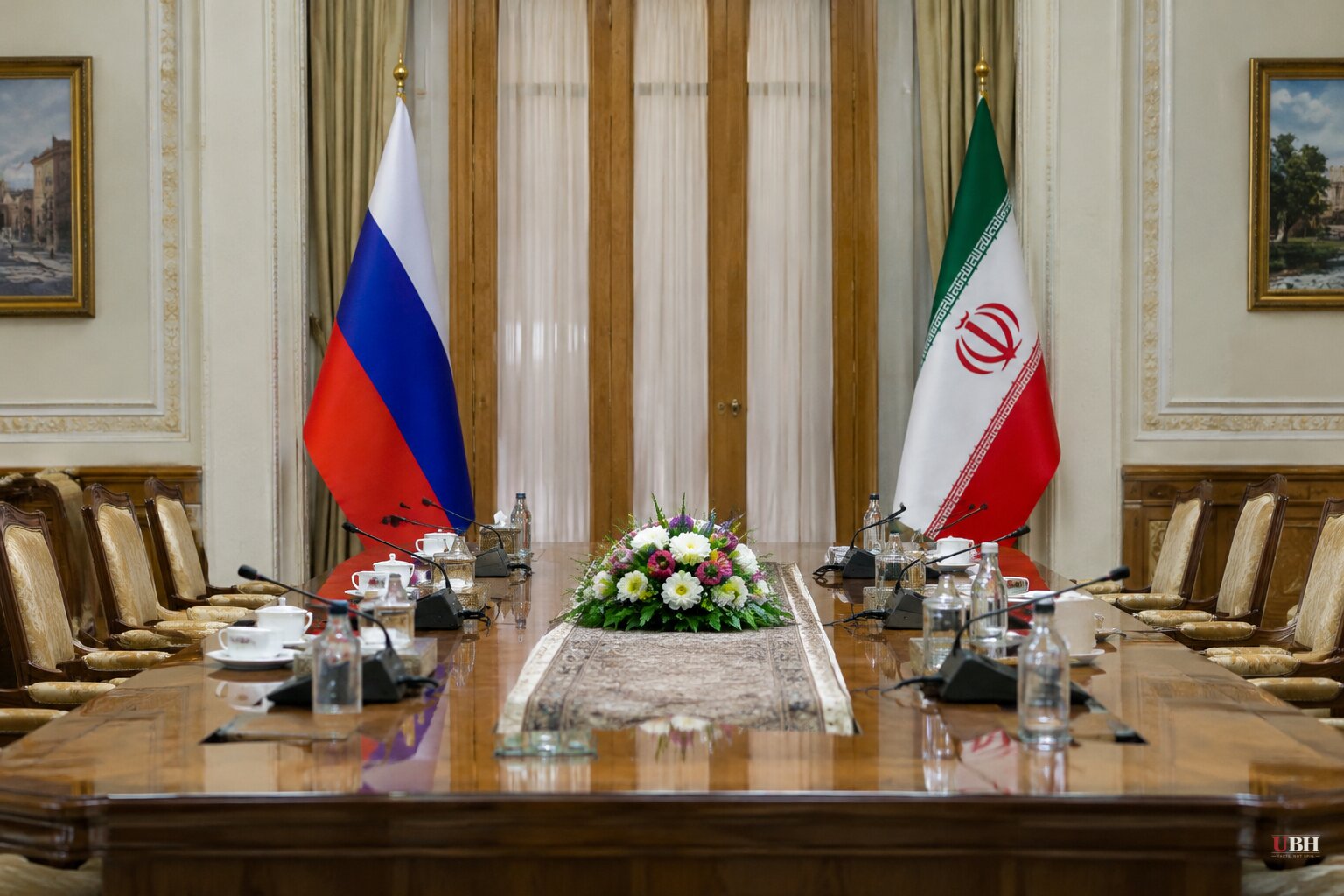
Since US-Israeli strikes on Iran in February, followed by an April ceasefire and a June memorandum of understanding that never stopped the fighting around the Strait of Hormuz, one question has hung over the war: what is Russia actually doing for Tehran? Russian Foreign Minister Sergei Lavrov landed in Iran on Monday, Oct. 19, to give his version.
He came straight from Manama, Bahrain, where Gulf Cooperation Council officials pressed Moscow to use its influence to stop Iranian attacks on neighboring states and restore shipping through Hormuz.
In Tehran, Lavrov met President Masoud Pezeshkian, Foreign Minister Abbas Araghchi and security chief Mohsen Rezaei. Araghchi said it was Lavrov's first visit since the war began.
What Moscow and Tehran said
The Russian Foreign Ministry described the talks as held in "a traditionally constructive spirit" and stressed "strengthening the comprehensive strategic partnership." Its statement gave little detail and made no mention of military or intelligence cooperation.
At a joint press conference, Lavrov said Russia has no intention of abandoning economic and investment agreements with Iran despite the war. He said Russian specialists are gradually returning to Iran's Bushehr nuclear power plant. He also pointed to continued work on energy and transport projects, including the planned Rasht-Astara railway.
Lavrov said Moscow had provided humanitarian aid during the war and would keep supplying food to Iran. He called for restoring maritime traffic through Hormuz and repeated a long-standing Russian proposal for a collective security framework covering Iran and the six GCC countries.
Araghchi was more expansive. "Never in our history have Iran and Russia worked as closely as now," he wrote on X on Tuesday, adding that the talks covered Europe, the Middle East, Ukraine and Yemen, along with "expansion of economic and nuclear cooperation."
Pezeshkian thanked Vladimir Putin, the Russian government and the Russian people for their support during the war, according to the Iranian presidency. He asked for faster implementation of agreements between the two countries.
Araghchi also blamed the United States for insecurity in the Strait of Hormuz. He said Iran welcomes any initiative for "security from within without the presence of foreign forces." The US is currently maintaining a naval counter-blockade on Iranian ports, while Iran claims control of the waterway and regularly targets vessels that cross without its permission.
Trump's read on Russian help
Trump has been blunt about how little he thinks Moscow is contributing. In a social media post on Sunday, Oct. 18, he said Russia is doing "very little, if anything, to help the Islamic Republic of Iran" compared with what it could do. Earlier in the week he wrote that he did not believe Moscow or Beijing were helping Iran "at all."
"If they are, it's at a very low level, but I don't believe they are at all. They have too much to lose, and we would know about it, and know about it very fast," Trump wrote.
On Monday he told reporters, "Russia could have done a lot more to help Iran. Russia's done very little for Iran." He said China could also have done more, and called the limited help from both countries "a very positive thing."
The comments came as Trump justified waiving sweeping sanctions planned against Russia. He argued that the penalties could push the Kremlin away from negotiations to end the war in Ukraine. The administration recently waived sanctions on Russian diesel exports, which drew bipartisan condemnation and objections from Ukraine and other partners.
The competing account
Hamidreza Azizi, a senior Iran analyst at the International Crisis Group, told RFE/RL that the picture depends on how support is defined. He agreed that Moscow has withheld heavy weaponry and that deals for Su-35 fighter jets have stalled.
But he said Russia has still given Iran military intelligence enabling "precision strikes against US bases." He added that Russia has helped improve Iranian-made systems, including Shahed drones, through continued military-technical cooperation. In his words, "Russian support has been there."
That is a direct conflict with Trump's claim that Washington would know quickly if Russia were helping. The Russian statement from Tehran addresses neither side of it, and neither Moscow nor Tehran has publicly confirmed intelligence sharing.
Moscow as mediator
Lavrov said ahead of the trip that Russia's efforts were "aimed at preventing the return of a large-scale war," with US-Iran talks stalled. Putin told Pezeshkian earlier this month that Moscow was prepared to contribute to mediation.
Russian state outlet TASS quoted Lavrov calling Iran's struggle against the "aggression unleashed upon it" a "just cause" and describing the conflict as an "unprovoked US-Israeli aggression." Russia is also under US pressure over its own war in Ukraine, and Lavrov used the press conference to say neither Kyiv nor its European backers are ready for talks.
A mediator that calls one belligerent's cause "just" and pledges to keep investing in its economy is an unusual broker. Washington has not said whether it would accept a Russian role.
The GCC states that asked Lavrov to lean on Tehran have not heard a public commitment in return. Russia's readout of the Tehran meetings says nothing about halting Iranian attacks on Gulf neighbors or on shipping near Hormuz.
Whether Moscow raised those demands privately, and whether Iran changes course, is the open question as the stalled US-Iran talks wait on a next move.
Sources used for this briefing
7 links from 7 independent newsrooms (syndicated copies of the same report count once)
These are the sources it draws on, linked so you can verify.


