
Original briefings. Zero spin.
Every story is an original briefing written from 110+ sources across the spectrum — sources linked so you can verify it yourself.
 health
Major Story (8/10)
Event date: August 30, 2026
health
Major Story (8/10)
Event date: August 30, 2026
Nepal-China Flood Toll Passes 750 as Fresh Warnings Issued, Separate India Monsoon Floods Hit 26 Uttar Pradesh Districts
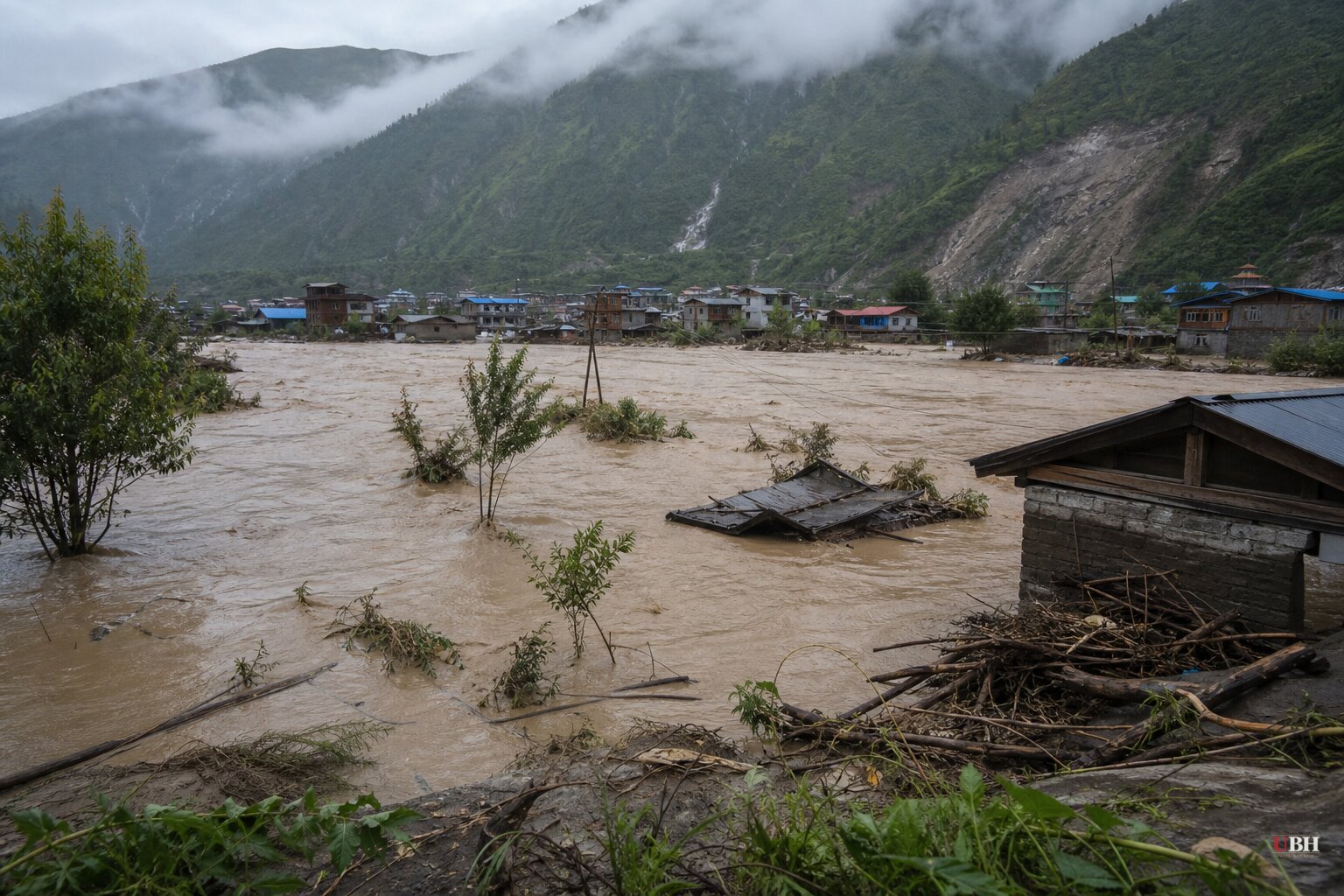
Two distinct disasters are unfolding in South Asia right now, with important distinctions between them.
The first is the Aug. 26 flash flood disaster along the Nepal-Tibet border, triggered by sudden surges in the Trishuli and Bhotekoshi rivers. Nepal's disaster agency put the death toll at 752 with 2,502 people missing as of Sunday, Aug. 30, according to The Associated Press and NPR. Chinese authorities reported 16 dead and 546 missing on their side of the border, bringing the combined confirmed toll to at least 768.
That number has been climbing fast. Fox News reported on Aug. 28, two days earlier, that 489 people were dead and 1,500 missing, including 90 Americans. No source in this reporting cycle has updated the American missing figure since. Given how quickly the overall toll roughly doubled in the days after that report, the 90-American number should be treated as dated, not current.
Chinese state media reported 261 foreign nationals missing in Tibet, including more than 100 Nepalis and citizens from over a dozen other countries who were in the region working, visiting the mountains, or making a pilgrimage to a sacred peak, according to NPR's account of the situation.
Nepal issued fresh flood warnings by text message on Aug. 30 after water levels rose again in the Bhotekoshi River, and Chinese authorities told their Nepalese counterparts that water flow had increased upstream, according to Dharam Raj Uprety, chief executive of Nepal's National Disaster Risk Reduction and Management Authority, as cited by NPR. AP News reported separately that a lake formed by the disaster now poses its own new flood threat, though further detail on that lake wasn't available in the reporting reviewed here.
On the ground, the destruction is total in some villages. "Everything is finished. Nothing is left. Not even our home," Dhading resident Sharmila Tamang told the AP as she picked through mud and rubble. A key power plant serving more than 20,000 people across four districts was severely damaged and remained under inspection as of Sunday.
A Separate Crisis: India's Ganga Basin
At the same time, and driven by a different cause, heavy monsoon rain is flooding the Ganga River basin across northern India. Officials in Bihar and Uttar Pradesh have attributed the rise directly to local rainfall in Bihar and neighboring Jharkhand, not to the Nepal-Tibet disaster upstream, according to Mathrubhumi English's Sept. 3 reporting.
In Uttar Pradesh, the state government said Friday that more than 17,500 people have been evacuated from 26 flood-hit districts, with roughly 353,000 people affected overall, according to The Hindu. No deaths or livestock losses had been recorded in that toll as of Friday, though the state has deployed 1,697 boats, 1,068 medical teams and set up 1,312 flood shelters.
That's separate from five deaths Mathrubhumi reported earlier in the week from house and wall collapses tied to the rain, including a 32-year-old man and his two young children killed when a mud house collapsed in Chitrakoot's Barachhi village.
In Varanasi, the Ganga is nearing its danger mark and several cremation ghats are underwater, forcing families to hold last rites on rooftops, India Today reported. Mourners are wading through knee-deep water and sludge to reach cremation sites, and funeral attendee Abhishek Srivastava told India Today that costs for grieving families have nearly doubled because of the disruption. He and others are calling for faster cleanup and easier access to the cremation grounds.
Prime Minister Narendra Modi, who represents Varanasi in parliament, called District Magistrate Satyendra Kumar on Thursday and ordered officials to work "on a war footing" to speed relief, prioritizing children, women and the elderly in relief camps, according to India Today. Whether that translates into faster ghat access on the ground is the open question Srivastava and other mourners are raising directly.
Downstream in Bihar, the Ganga was expected to cross its historic high-water mark at Patna's Gandhi Ghat on Thursday night and was projected to do the same at Hathidah in Mokama around midday Thursday, Sept. 3, per Mathrubhumi. Chief Minister Samrat Choudhary inspected rising water along Patna's JP Ganga Path, and Deputy Chief Minister Vijay Kumar Chaudhary, who also holds the water resources portfolio, has been reviewing the situation by video conference.
Elsewhere, landslides shut sections of the Chandigarh-Shimla highway in Himachal Pradesh's Solan district, and runoff flooded shops near Dharampur, Mathrubhumi reported. Train services in West Bengal have also been disrupted.
The two crises share a monsoon season but not a single cause, and Indian officials have been clear about that distinction. What remains unresolved is whether the Ganga's crest at Mokama, expected around midday Thursday, Sept. 3, according to Mathrubhumi's disaster-department sourcing, will exceed the levels already forcing rooftop cremations upstream in Varanasi.
Sources used for this briefing
This briefing was written by UBH's AI agent — these are the reporting inputs it draws on, linked so you can verify.


