
Unbiased headlines. Facts, not spin.
Unbiased Headlines is an independently owned news organization. We bring you the facts, not opinions, written fresh from 110+ named sources. Sources linked so you can verify it yourself.
 economy
Notable (6/10)
Event date: October 12, 2026 ·
Natixis Economist Warns a Slow AI Data-Center Buildout Could Fuel Inflation as Fed Weighs Another Hike
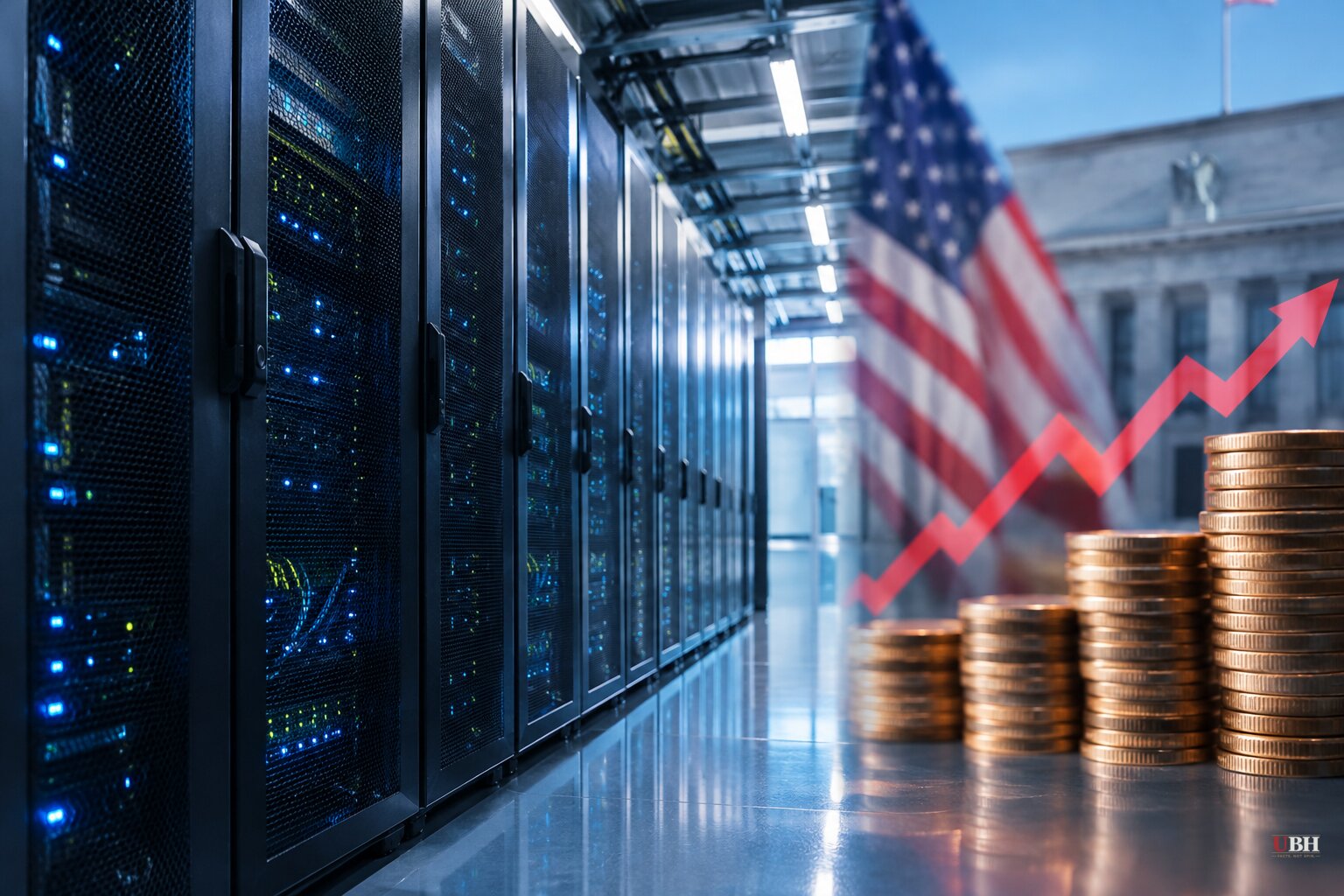
Alicia Garcia Herrero, chief APAC economist at Natixis, said in a Bloomberg TV interview today, Oct. 26, that rapid AI adoption could be inflationary if data-center construction falls short of what is needed to meet demand for compute.
Her argument is about supply, not about AI itself. Demand for computing capacity can race ahead of the buildings, power and chips needed to serve it. If it does, prices rise.
The Federal Reserve is already worried about the same dynamic.
What the Fed has said
The Fed raised its benchmark target range by 0.25 percentage point to 3.75%–4.00% in September. Minutes released October 7 showed that most participants considered another increase likely appropriate before year-end, subject to incoming data. That is not a commitment to raise at the next meeting.
The minutes tied surging AI investment to price pressures. They also noted the buildout could push demand ahead of supply before productivity benefits arrive. Participants identified substantial AI-related borrowing as a factor affecting financial markets.
The minutes cited rising costs for AI-related goods and services, alongside energy shocks and tariff effects, as inflation pressures.
August headline PCE inflation was 3.4%. The Fed's target is 2%.
Growth is leaning on AI spending
Fed Vice Chair Philip Jefferson reported that U.S. GDP grew at a 2.4% pace in the first half of 2026. He said AI-related spending was the principal support for strong business investment.
The tension: the same spending holding up growth is also feeding prices. Take it away and growth looks weaker. Keep it going faster than supply can handle and inflation looks stickier.
Rates may not slow the biggest spenders
Cleveland Fed President Beth Hammack has argued that higher interest rates may slow the broader economy without stopping the AI infrastructure boom. In her view, hyperscalers, the giant cloud and AI companies, are likely to keep investing despite higher financing costs. More rate-sensitive businesses could pull back.
That does not mean rates have no effect on the big builders. The Fed minutes refer to hyperscaler debt issued to finance AI infrastructure. They note yield spreads on it stayed wide amid heavy issuance and relatively long-dated borrowing. Financing can get more expensive even as the spending continues.
Hammack also attributed part of the rise in bond yields to competition for investor capital. Heavy AI borrowing can crowd other borrowers.
On September 25, Hammack said policy was not visibly restraining investment for most businesses outside housing. She warned that prolonged above-target inflation could normalize an "inflationary mindset" among households and companies.
Why the stock market is exposed
The buildout also matters for equities. Ahead of the current earnings season, analysts expected AI-infrastructure beneficiaries to account for more than half of projected S&P 500 earnings growth, according to a Reuters market preview published October 12. Those are estimates, not reported results.
If the spending slows, earnings growth could slow with it. If it doesn't slow, the Fed has said it adds to price pressure.
What to watch
Herrero's warning is conditional. Inflation risk rises if construction lags demand. She did not say it will.
The Fed has not said it will hike again, only that most participants see another increase as likely appropriate before year-end if the data support it. The next inflation readings will show whether AI-related costs keep pushing prices above the 2% target, and whether data-center capacity is arriving fast enough to ease that pressure.
Sources used for this briefing
2 links from 2 independent newsrooms (syndicated copies of the same report count once)
These are the sources it draws on, linked so you can verify.


