
Unbiased headlines. Facts, not spin.
Unbiased Headlines is an independently owned news organization. We bring you the facts, not opinions, written fresh from 110+ named sources. Sources linked so you can verify it yourself.
 economy
Notable (5/10)
National Beef CEO Says Worst of Cattle Cycle Is Over After 2.1% Margin, Best Since 2024
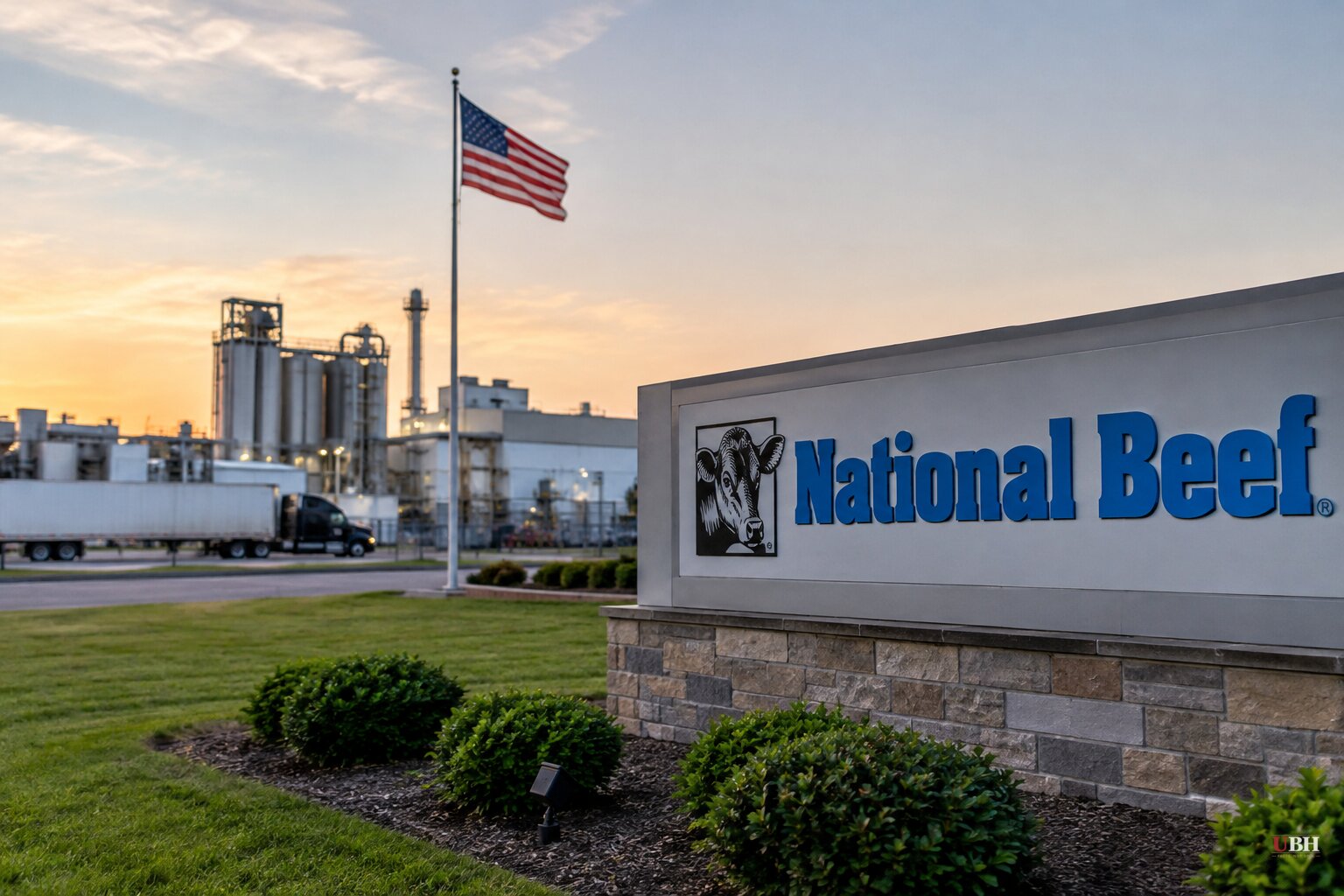
Since live cattle futures hit their highs in late April, prices have slid well off the peak. This week the meatpacking industry started saying out loud that the squeeze is easing.
"We do believe we are through the worst part of the cycle," National Beef CEO Tim Klein told journalists on Thursday, Nov. 12. The Missouri-based company reported an operating margin, measured before items such as interest and taxes, of 2.1%. That is its highest since the third quarter of 2024.
Klein said reduced U.S. slaughter volumes helped plant margins, while strong consumer demand kept beef prices elevated.
What the numbers show
National Beef is controlled by Brazil's MBRF Global Foods. MBRF, formed last year when Marfrig took over poultry and pork firm BRF, reported its own third-quarter results the same day.
Net profit for July through September came in at 210 million reais ($37.3 million), up 124% from a year earlier. Adjusted EBITDA was 3.56 billion reais, up 1.6%. Analysts polled by LSEG had expected 3.34 billion reais.
The topline was flat to slightly weaker. Net revenue fell 0.8% to 41.42 billion reais, matching analyst forecasts. Volume sold dropped 2.4% to 2.05 million metric tons.
MBRF credited its North American beef operations, which had their best quarterly result in two years. The company cited lower cattle costs and a bigger contribution from byproducts. "Even during a downturn in the North American livestock cycle, we posted a sequential increase in profitability," MBRF said in its earnings report.
JBS, the other giant in the business, reported improving results in its U.S. beef unit on Monday, Nov. 9.
Why packers were hurting
The U.S. cattle herd has shrunk to its smallest in decades because of droughts and high operating costs. Scarce cattle pushed livestock prices sharply higher and squeezed the margins of the companies that buy and slaughter them.
Less supply also means less beef to process. Packers have been paying up for a shrinking pool of animals while trying to keep plants running.
Washington's hand
Beef has become a political problem for the Trump administration because it is a major driver of food inflation. The administration has encouraged more foreign ground beef imports and resumed live cattle shipments from Mexico. Both moves have helped meatpackers address tight supplies.
That help has come with a cost on the supply side. The moves have angered smaller ranchers, who see imported beef and Mexican cattle competing with their own animals just as prices were rewarding them for years of lean herds.
The administration's goal is lower prices at the grocery store. So far that has not shown up at the meat counter.
Consumers have not caught a break yet
Ground beef prices tracked by the USDA remain slightly below their highs, but the upward momentum has slowed. Lower cattle costs and better packer margins could eventually mean more supermarket promotions. That has not happened yet.
A 2.1% margin is also not a windfall. It is the best in two years, which says more about how bad the stretch has been than how good this one is.
Klein is also an interested party. He runs a packer that benefits from a story of recovery, and his comments cover margins, not shelf prices.
The rebuild is the long part
BofA Securities analyst Sara Senatore, who covers restaurants, protein processors and food and beverage, spoke this summer with Oklahoma State University agricultural economist Derrell Peel. Peel suggested the cattle cycle has bottomed and that a rebuilding phase is likely approaching, though it could take several years.
Rebuilding a herd means ranchers hold back heifers instead of sending them to slaughter. That tightens supply further in the short run before it loosens in the long run. It is one reason a cheaper cattle market and cheaper beef at the store are two separate events with a gap between them.
Poultry side of the ledger
MBRF's chicken business had its own news. Group CEO Miguel Gularte said a recent outbreak of Newcastle disease has not significantly affected poultry exports out of Brazil. Results also benefited from higher poultry exports and growing U.S. sales, even as Brazil faces restrictions in trade with Europe. A resumption of shipments is expected soon.
The next test is whether lower cattle costs reach the grocery aisle. USDA-tracked ground beef prices and live cattle futures, both off their spring highs, will show whether the slowdown Klein describes holds, and whether the herd rebuild Peel expects starts to tighten supply again.
Sources used for this briefing
7 links from 5 independent newsrooms (syndicated copies of the same report count once)
These are the sources it draws on, linked so you can verify.


