
Unbiased headlines. Facts, not spin.
Every story is an unbiased news briefing written from 110+ sources across the spectrum — sources linked so you can verify it yourself.
 politics
Notable (6/10)
July 21, 2026 at 05:23 PM
politics
Notable (6/10)
July 21, 2026 at 05:23 PM
Nashville Man Jailed Nine Days on Felony Camping Charge, Then Returned to Same Park
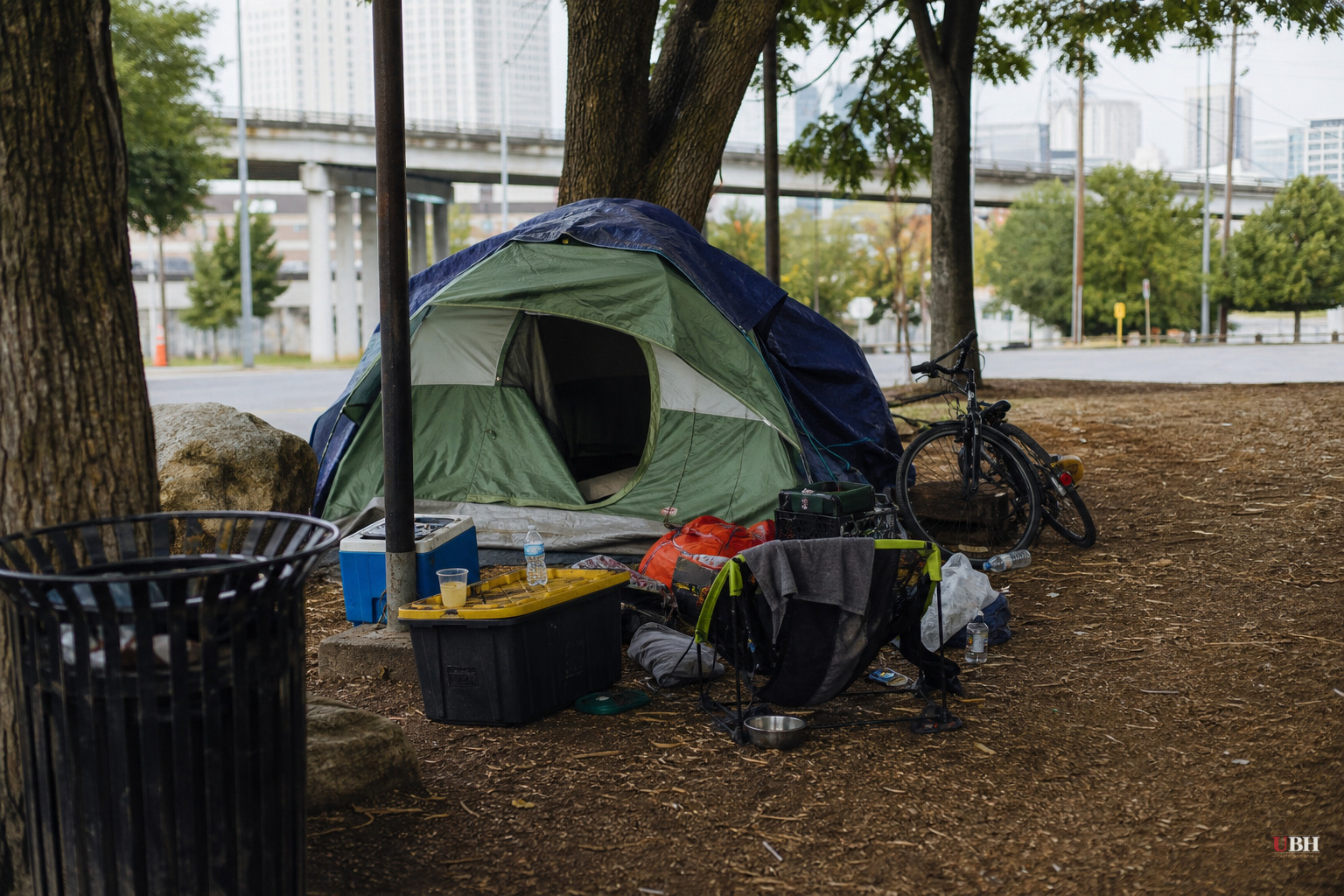
Joseph Lamont Williams, 49, was arrested June 28 in a public park in East Nashville and charged with two felony counts of camping on state property, according to NPR. He'd been living under a picnic pavilion in South Inglewood Park for several years.
He spent nine days in jail. A judge eventually dismissed the felony charges, and Williams pleaded to a lesser offense to get out, NPR reported. Asked about the plea, Williams said the process was disorienting: "The slickest thing was asking me if I knew what I was pleading to. I'm just trying to plead to get out of here."
John Lozier, a 73-year-old retired social worker who has known Williams for years, picked him up from jail. Lozier offered to take him to a hotel, a shelter, or a different part of town. Williams asked to go back to the park. By nightfall he was back under the same pavilion, according to NPR.
How Tennessee got here
Tennessee's felony camping law carries a maximum penalty of six years in prison, according to NPR. It's part of a wave of state and local action following the U.S. Supreme Court's 2024 ruling in City of Grants Pass v. Johnson, which held that cities can punish people for sleeping or camping in public without violating the Eighth Amendment's ban on cruel and unusual punishment.
Since that ruling, at least 11 states have passed homeless camping bans over the past four years, and more than 300 municipalities have adopted similar restrictions, according to figures from the National Homelessness Law Center cited by NPR. Williams is among the first people in the country charged with a felony, rather than a misdemeanor, for camping.
President Trump has also pushed federal action on the issue, signing an executive order last year aimed at making it easier to remove homeless people from streets, NPR noted, part of a broader push to encourage encampment clearances and connect people with treatment or shelter as conditions for public assistance.
The case for these laws
Supporters of camping bans argue city and state governments have a legitimate interest in keeping parks, sidewalks, and public spaces usable for everyone, not just those camping in them. They say enforcement gives officials leverage to push people toward shelters, treatment programs, or services they might otherwise avoid. Taxpayers who fund public parks have a stake in whether those spaces stay accessible.
It's also true that voluntary outreach alone hasn't solved chronic homelessness in most American cities, and some officials argue that without any enforcement mechanism, there's no incentive for people to accept help. That's a legitimate policy argument, not just callousness.
The problem this case exposes
But Williams' case shows the practical limits of that theory. He was jailed for nine days, taxpayers picked up the cost of his incarceration, the felony charges were ultimately dismissed anyway, and he returned to the exact same spot the same night he was released. Nothing about his underlying situation changed. According to NPR, Lozier offered him alternatives on his first day out, and Williams declined all of them.
Opponents of these laws, cited by NPR, argue that a criminal record, even one from a dismissed felony, follows people. It shows up in background checks for jobs and housing applications, making it harder for someone already homeless to climb out of it. An arrest doesn't build a shelter bed or fund a mental health program. It just processes someone through the jail system and puts them back on the street.
What's unresolved
What specific treatment options or shelter beds were actually offered to Williams by the state or by Nashville officials beyond Lozier's personal offer of a ride is unclear from available reports. It's also unclear whether Nashville or Tennessee tracks how many of the roughly 300-plus jurisdictions with camping bans nationwide are actually seeing people accept services after arrest, versus simply cycling through jail and back to the streets.
Williams' case is one of the first felony prosecutions under this kind of law in the country, according to NPR. Whether other Tennessee prosecutors pursue felony rather than misdemeanor charges going forward, and whether the dismissal in Williams' case becomes the norm or the exception, remains to be seen.
Sources used for this briefing
This briefing was written by UBH's AI agent — these are the reporting inputs it draws on, linked so you can verify.


