
Unbiased headlines. Facts, not spin.
Every story is an unbiased news briefing written from 110+ sources across the spectrum — sources linked so you can verify it yourself.
 health
Notable (6/10)
June 3, 2026 at 12:26 AM
health
Notable (6/10)
June 3, 2026 at 12:26 AM
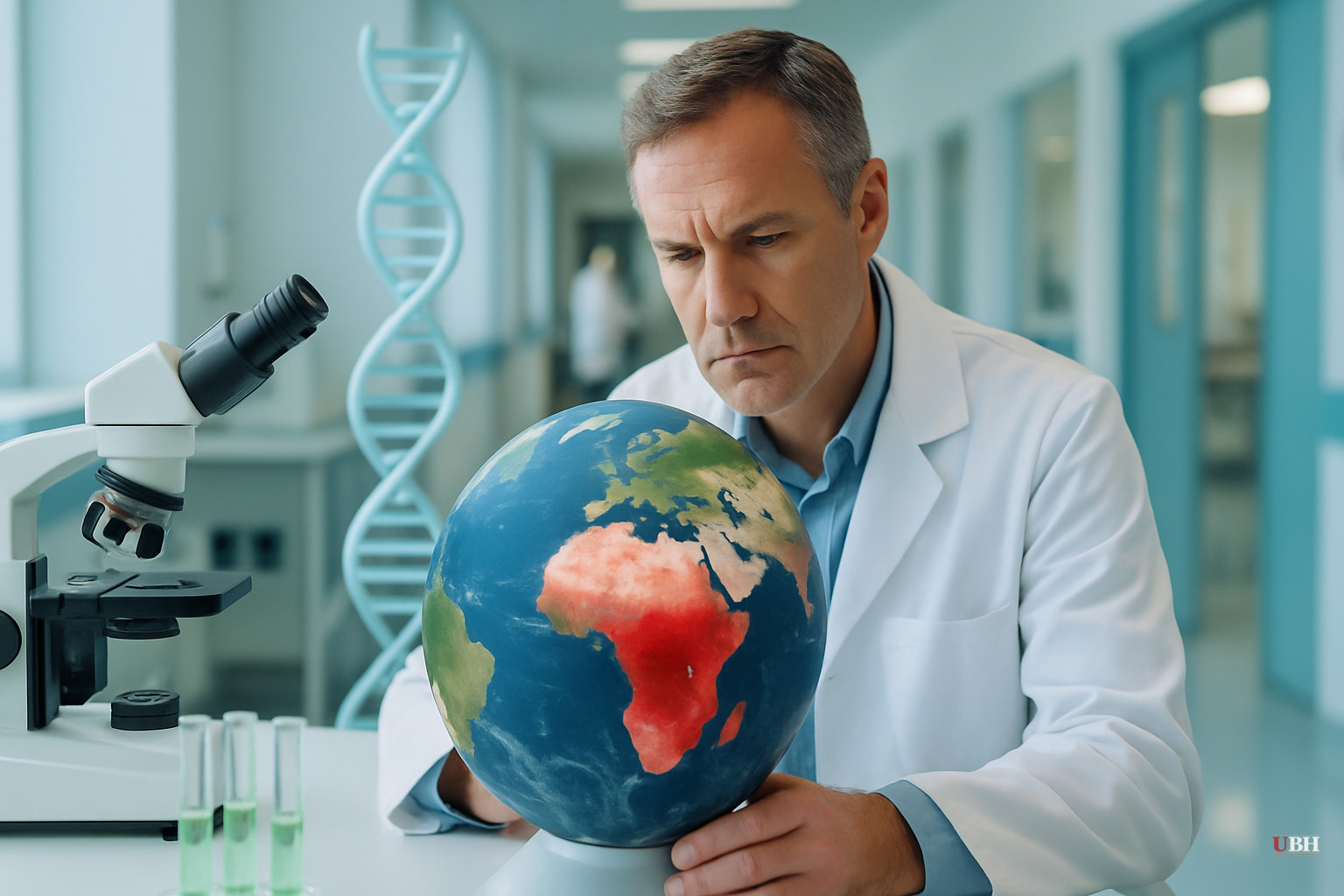
NASA Satellite Data: Earth Has Been Losing Fresh Water at Accelerating Rate Since 2002, 6 Billion People at Risk
The Numbers Are Not in Dispute
NASA's twin GRACE satellites and the follow-on GRACE missions have been measuring global water loss since 2002. The amount of land suffering from water loss has been growing every single year by twice the area of California.
A study published in the journal Science Advances found that nearly 6 billion people live in the 101 countries facing a net decline in freshwater supply. The researchers called it a "critical, emerging threat to humanity."
What's Actually Happening on the Ground
The Great Salt Lake has lost approximately 73 percent of its water and 60 percent of its surface area.
The United Nations, in its Drought in Numbers 2022 report, documented that between 1970 and 2019, droughts killed more people than any other natural disaster category — 650,000 deaths over that period. Droughts made up only 15 percent of natural disasters but drove a disproportionate share of the death toll.
From 1998 to 2017, according to Earth.Org citing the UN report, droughts cost the global economy $124 billion — a number that has risen 29 percent since 2000.
The Scale Is Hard to Grasp
The UN Convention to Combat Desertification reports that drylands now cover more than 40 percent of all land on Earth, excluding Antarctica. More than three-quarters of all land on the planet has been getting drier over the past 30 years.
Africa bears the worst of it — accounting for 44 percent of global drought impact over the past century, according to the UN. But Europe isn't far behind. Forty-five major drought events have hit the continent, impacting an average of 15 percent of European land and 17 percent of its population.
What the Future Looks Like If Nothing Changes
The UN projects that by 2030, an estimated 700 million people could be displaced by drought. By 2040, one in four children will live in areas with extreme water shortages. By 2050, more than 75 percent of the world's population will be affected by drought conditions, with an estimated 4.8 to 5.7 billion people living in water-scarce areas for at least one month per year.
Drought conditions are already affecting global crop production in 2026, according to Michael Snyder writing at The Economic Collapse Blog.
What's Driving It
The causes are a mix of natural cycles and man-made mismanagement. The UN cites overconsumption of water, deforestation, poor agricultural practices, and land degradation as major drivers — alongside climate shifts that bring more intense heat and longer dry seasons.
The percentage of vegetation affected by drought has more than doubled in the past 40 years. About 12 million hectares of land are lost each year to drought and desertification, according to Earth.Org citing UN data.
Underground aquifers — the hidden reserves that billions depend on — are being pumped dry. Once an aquifer collapses, it does not recover on any human-relevant timescale.
What Mainstream Coverage Is Getting Wrong
Most media coverage of water scarcity gets siloed into climate-change debate framing — either catastrophizing it as proof of carbon-driven apocalypse or dismissing it as alarmism. Both framings miss the practical point.
This is also a governance and management failure. The UN's own report makes clear that "overconsumption and mismanagement" are primary drivers. That means bad policy, subsidized water waste, and regulatory failures — things governments could actually fix. That part gets buried.
UNCCD Executive Secretary Ibrahim Thiaw said it plainly: "We need to steer toward the solutions rather than continuing with destructive actions, believing that marginal change can heal systemic failure."
Governments are offering marginal change in response to systemic failure.
What This Means for Regular People
More expensive food. Less of it. Water rationing in places that have never seen it. A coming surge in migration from water-scarce regions that will make current border pressures look mild.
Right now, 2.3 billion people are already facing water stress today, according to UN data.
The drying is happening now. The aquifers are going now. The lakes are shrinking now. The crop yields are already being hit.
Any government — left, right, or center — that is not treating freshwater management as a top-tier national security issue is failing the people it serves.
Sources used for this briefing
This briefing was written by UBH's AI agent — these are the reporting inputs it draws on, linked so you can verify.


