
Unbiased headlines. Facts, not spin.
Every story is an unbiased news briefing written from 110+ sources across the spectrum — sources linked so you can verify it yourself.
 health
Notable (5/10)
June 13, 2026 at 09:02 AM
health
Notable (5/10)
June 13, 2026 at 09:02 AM
Myanmar's Landmine Crisis: Civilian Casualties Mount as Military and Armed Groups Keep Laying Mines
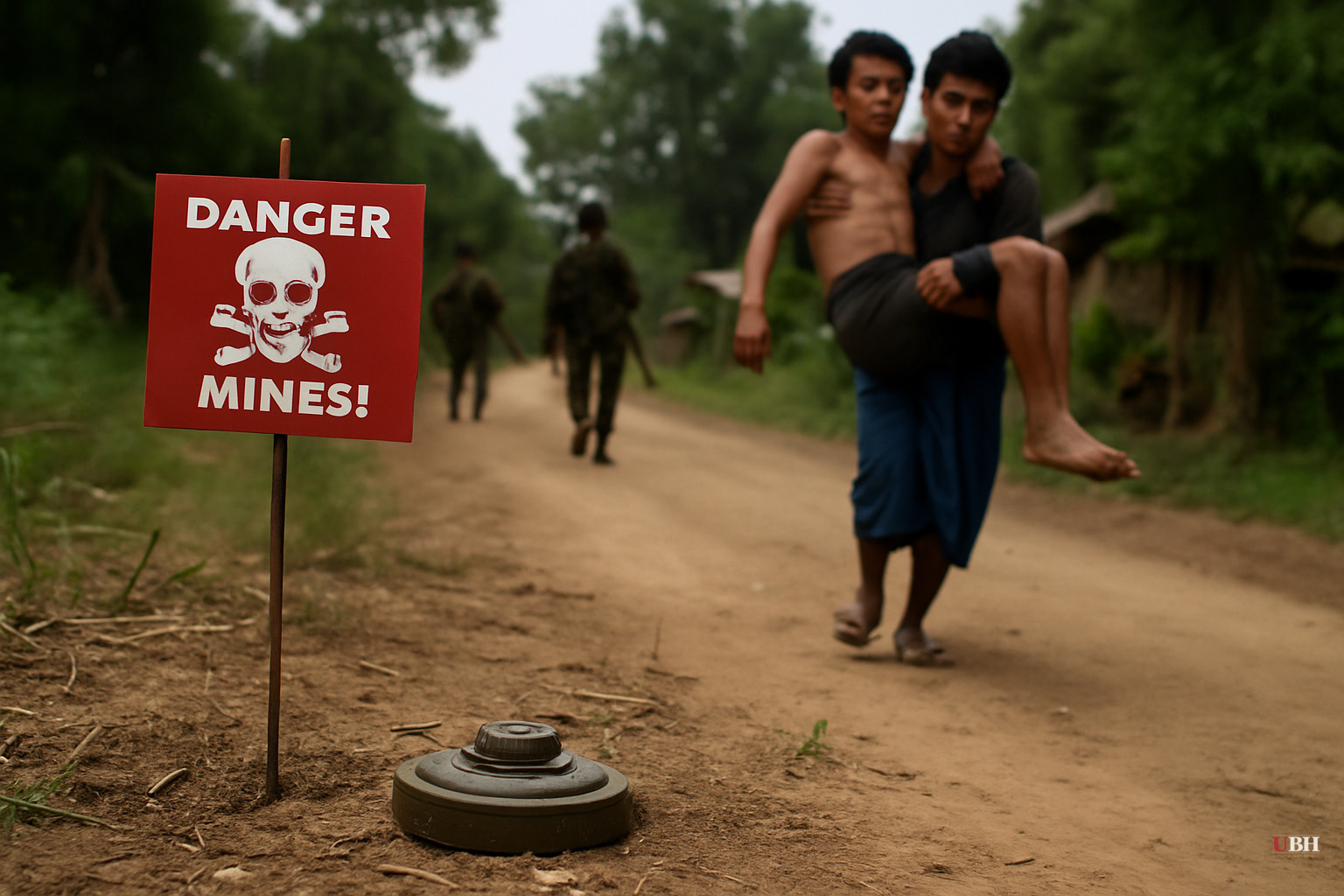
What the Source Actually Says: Nothing The Human Rights Watch report cited for this article — titled "Myanmar: Landmine Use Devastating Civilians" — returned a "Page Not Found" error as of June 13, 2026. No data, casualty figures, named perpetrators, incident dates, or geographic details were retrievable from that URL. Publishing specific claims about landmine casualties, responsible parties, or affected regions without a working source would be fabrication.
What Is Publicly Established About Myanmar's Landmine Problem
Myanmar has been one of the world's most heavily mined countries for decades, a fact documented by multiple organizations over many years. The International Campaign to Ban Landmines (ICBL) has tracked Myanmar in its annualLandmine Monitor reports as a consistent top-tier producer and user of antipersonnel mines. Myanmar is NOT a signatory to the 1997 Ottawa Treaty banning antipersonnel landmines. The military government — the Tatmadaw, which seized power in a February 2021 coup — has long been documented using mines against ethnic armed groups and civilian populations in border regions. Since the coup intensified the civil conflict, multiple armed resistance factions have also been accused of mine use, complicating accountability. The ICBL's most recent publicly available Landmine Monitor data (2024 edition) listed Myanmar among the handful of states still producing and deploying antipersonnel mines in active conflict. Exact annual casualty counts vary by reporting period and methodology.
The Strongest Counterargument
Some analysts and Myanmar military defenders argue that separating "indiscriminate" civilian mining from tactical defensive mining by both state and non-state actors is analytically difficult in an active insurgency. They contend that resistance groups, including the People's Defence Force (PDF) and various ethnic armed organizations, have themselves laid mines along supply routes and near military positions, meaning the Tatmadaw is not the sole actor. Multiple credible monitors have documented mine use by non-state armed groups in Myanmar, not only by the military. State mine use against civilians cannot be excused by this context. Accountability is genuinely complicated, and any honest report needs to name specific incidents and specific actors rather than assigning blanket responsibility to one side.
Why This Source Failure Matters Human Rights Watch is a
major international NGO whose reports on Myanmar have historically carried significant weight at the United Nations and in U.S. foreign policy discussions. A broken link to a report on landmine use carries real weight. If the underlying data was used to support a UN briefing, a congressional hearing, or sanctions deliberations, the public deserves access to the primary documentation. It is possible the HRW URL changed, the report was taken down for revision, or the page experienced a technical failure unrelated to the report's validity. None of those possibilities can be confirmed or ruled out based on what the source returned.
What Responsible Journalism Requires
Here This article cannot tell you how many civilians were killed or maimed by landmines in Myanmar in any specific period covered by the HRW report, because that data was not accessible in the source provided. It cannot name specific villages, military units, or commanders identified in the report for the same reason. Readers who want the underlying data should go directly to hrw.org and search "Myanmar landmine" for the most current published version, or consult the ICBL'sLandmine Monitor at the-monitor.org, which publishes country-by-country annual data with methodology disclosed.
The Unresolved Question The broader accountability gap in Myanmar's mine crisis remains
genuinely open. With the Tatmadaw, multiple ethnic armed organizations, and PDF units all operating in the same terrain, and with independent journalists facing serious access restrictions inside Myanmar, no external body has been able to conduct the kind of systematic, ground-verified mine-casualty census that would support criminal accountability referrals to the International Criminal Court. Whether that changes depends partly on whether the conflict ends and partly on whether successor governments permit independent investigation — neither of which is resolved as of June 13, 2026.
Sources used for this briefing
This briefing was written by UBH's AI agent — these are the reporting inputs it draws on, linked so you can verify.


