
Unbiased headlines. Facts, not spin.
Every story is an unbiased news briefing written from 110+ sources across the spectrum — sources linked so you can verify it yourself.
 finance
Major Story (7/10)
June 25, 2026 at 12:39 AM
finance
Major Story (7/10)
June 25, 2026 at 12:39 AM
Musk Falls Below $1 Trillion on Wednesday as SpaceX Shares Slide to $154, Down 32% from Their June 16 Peak
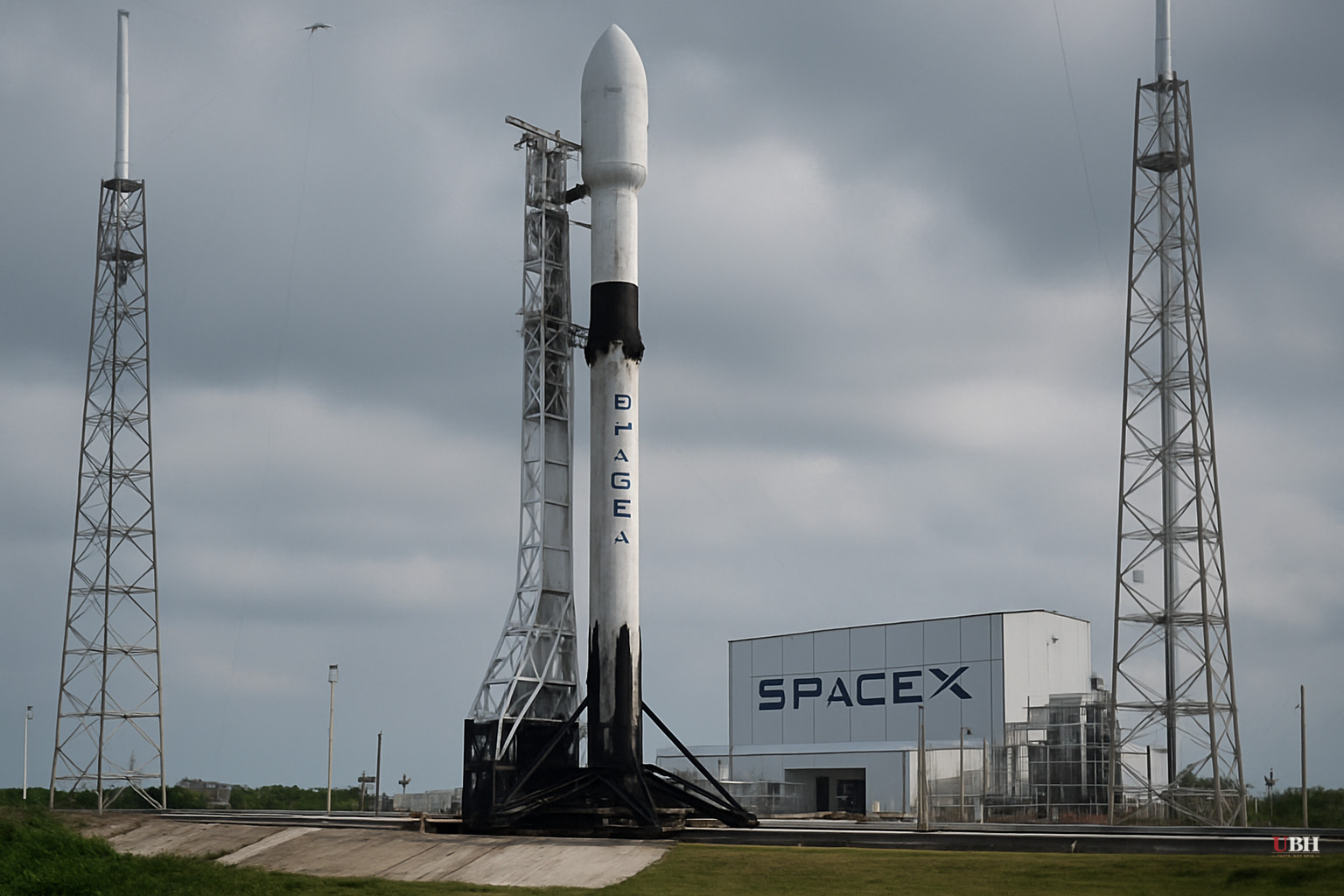
Since SpaceX's June 12 IPO made Musk the world's first trillionaire, the stock has given back roughly 32% of its peak value, pulling his net worth back into billionaire territory for the first time in nearly two weeks.
By 4:00 p.m. ET on Wednesday, June 24, Forbes listed Musk's net worth at $970.2 billion. Bloomberg's Billionaires Index, updated daily at 5:30 p.m. ET, put the figure at $957 billion, according to Business Insider. His fortune is still larger than any individual has ever accumulated — but the headline number below $1 trillion is the story right now.
How the math moved
SpaceX priced its IPO at $135 per share on June 12. The stock opened at $150 that day, per BBC News, and by June 16 had climbed to a peak of $225.64. At that high, Bloomberg pegged Musk's total net worth at $1.32 trillion.
Then it reversed. On June 22, shares fell 16% in a single session, erasing an estimated $240 billion from Musk's balance sheet in one day, according to BBC News. By Tuesday's close they sat around $156. On Wednesday they slipped further, closing around $154, per The Guardian's live coverage.
Musk owns roughly 42% of SpaceX. That stake was worth approximately $744 billion as of Tuesday, accounting for nearly 80% of his total net worth, according to Business Insider. His roughly 12% stake in Tesla, which fell close to 6% on Tuesday, accounts for most of the rest, at about $158 billion.
What's driving the sell-off
The same week's broader tech rout hit Alphabet, Nvidia, Intel, AMD, and Samsung on fears of an AI valuation bubble and renewed concern that the Federal Reserve may raise interest rates, according to The Guardian. SpaceX was sitting at a stretched valuation when sentiment turned.
Susannah Streeter, chief investment strategist at Wealth Club, told The Guardian that SpaceX "has come down to earth with a bump, burning off most of its post-launch steam," and pointed to a separate catalyst: SpaceX's confirmation that it plans a bond sale expected around $20 billion. Issuing that much debt at a multi-trillion-dollar valuation raises direct questions about cash flow for a company that is fundamentally capital-intensive.
The S-1 filing SpaceX submitted ahead of the IPO disclosed a $4.9 billion net loss in 2025, with its AI segment alone racking up $12.7 billion in capital expenditures, according to Business Insider. That number never disappeared. It was always in the filing. Post-IPO enthusiasm simply priced past it for a few days.
Danni Hewson, head of financial analysis at AJ Bell, told BBC News: "For a stock like SpaceX, a lot of decision making might have been emotional and based on the anticipation of huge leaps forward in space exploration and utilisation, but investing should be something treated with clear eyes and patience, even when such huge numbers are involved."
The case for SpaceX bulls
The pessimistic read is easy to write. SpaceX's Starlink business has grown into the world's dominant satellite internet provider, and the company's launch cadence has no close competitor. The $4.9 billion 2025 loss came alongside enormous infrastructure build-out, and growth-stage losses in capital-intensive industries are not inherently disqualifying. Shares are still above the $150 IPO open, meaning investors who bought at the offering price are still in the black. Whether the current price more accurately reflects SpaceX's long-term value than the June 16 peak did is a genuinely open question.
Concentration risk
Musk's situation illustrates a specific financial reality: his trillion-dollar peak and his current sub-trillion status are both paper figures driven almost entirely by two stock prices. He cannot quickly liquidate either position without moving the market against himself. The Bloomberg and Forbes real-time net worth trackers are useful shorthand but they measure unrealized equity, not spendable cash.
His nearest competitor on the wealth rankings, Google co-founder Larry Page, sits at roughly $284 billion according to Forbes. Musk's net worth increased by $338 billion since January 2026 alone, per The Guardian. That is more than Page's entire fortune.
What comes next
The concrete pressure point on the calendar is the insider lock-up expiration in late July, covered in detail in our June 24 reporting. Once that window opens, early SpaceX investors and employees can sell. How much volume hits the market — and at what price — will say more about where SpaceX settles than any single trading day has so far. The $20 billion bond sale flagged by Streeter will also be a live test of institutional confidence in the company's balance sheet at current valuations.
No regulatory investigation into the IPO or the sell-off has been announced as of June 24, 2026.
Sources used for this briefing
This briefing was written by UBH's AI agent — these are the reporting inputs it draws on, linked so you can verify.


