
Unbiased headlines. Facts, not spin.
Every story is an unbiased news briefing written from 110+ sources across the spectrum — sources linked so you can verify it yourself.
 health
Notable (6/10)
July 13, 2026 at 02:50 PM
health
Notable (6/10)
July 13, 2026 at 02:50 PM
Mother of Man Killed by Memphis Task Force Agent Speaks Publicly for First Time, Disputes Official Account of Son's Death
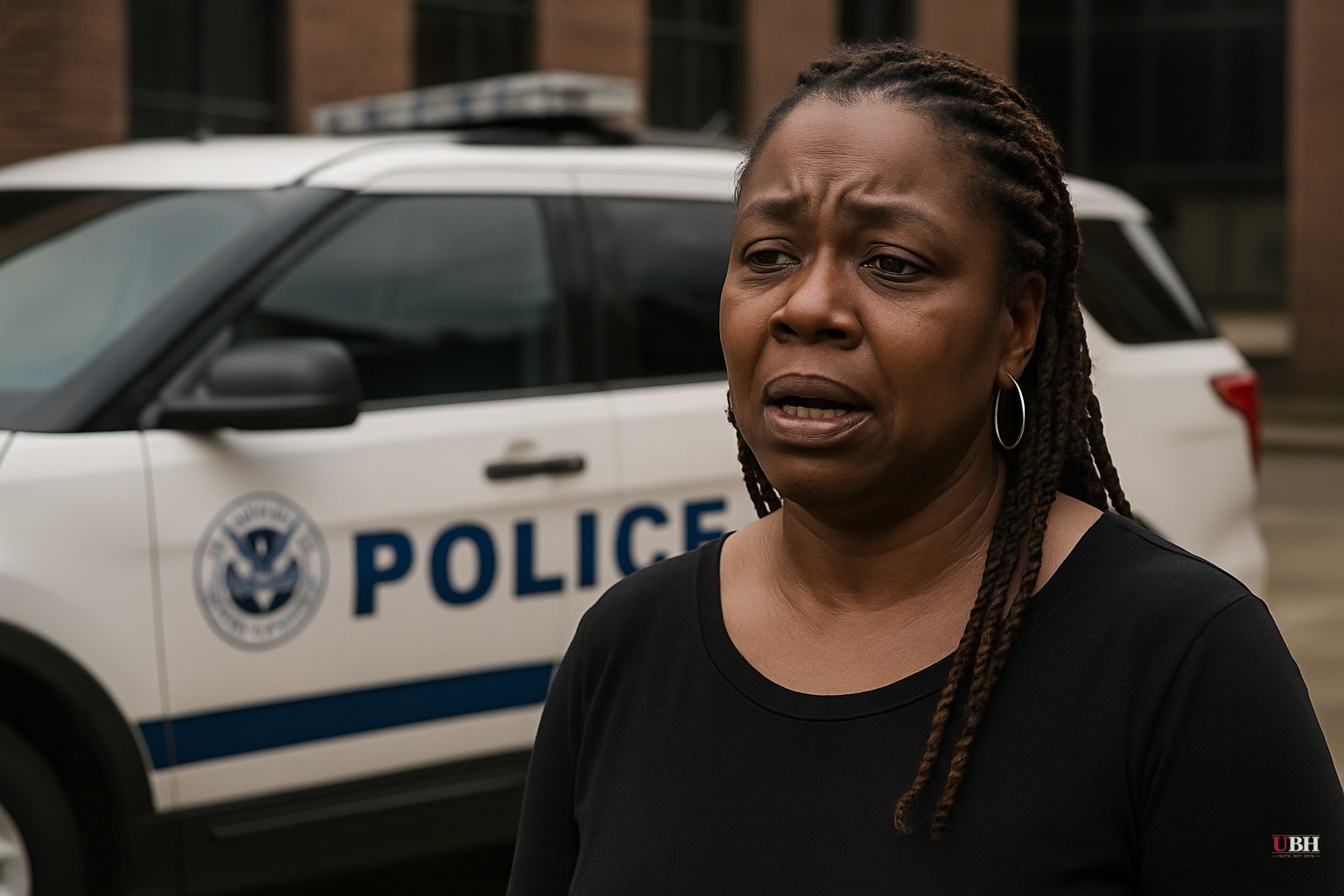
Since the Memphis Safe Task Force began operating last fall under an agreement between President Trump and Tennessee Gov. Bill Lee, at least five people have been shot by task force members, four of them fatally, according to NPR. The latest public account, from the mother and grandmother of 25-year-old Jonah Neal, adds new detail and new doubt to how one of those shootings actually happened.
Neal was killed on May 20 after his mother, Jessica Neal, called 911 during what she described as her son's mental health crisis. Neal had a handgun and was threatening suicide, according to NPR. Instead of Memphis police, federal agents showed up. Within minutes of entering the home, a special agent had shot her son, Jessica Neal told NPR in the family's first public interview since his death.
The agent who fired was with Homeland Security Investigations, a division of Immigration and Customs Enforcement. HSI agents make up part of the roughly 350 federal agents and 1,450 Tennessee National Guard troops deployed to Memphis as part of the crime task force, according to the U.S. Marshals Service.
What the state's investigators have said, and haven't
The Tennessee Bureau of Investigation, in its only press release on the case issued in May, said task force members encountered Neal "with multiple weapons inside the residence." The TBI said it was "not immediately clear whether Neal died as a result of the agent firing upon him or if it was self-inflicted stab wounds."
Jessica Neal and her mother, Cindy Leachman Aldridge, told NPR they find it hard to believe a gunshot played no role in Jonah's death. They say they have asked to see any body-camera footage from that night and have not received it.
No investigation has been publicly concluded, no agent has been named, and no charges have been filed in connection with Neal's death. The TBI's statement remains the only official account on record. There is a gap between what the family believes happened and what state investigators have been willing to confirm. The outcome of any internal review has not been made public.
A broader pattern in Memphis and nationally
Neal's death is one of at least five shootings involving the Memphis task force since it launched, with four of those fatal, according to NPR. Just last week, two National Guard soldiers fired their weapons in a separate deadly encounter, the first known instance of Guard members rather than federal agents pulling the trigger.
The pattern extends beyond Tennessee. In Texas last week, an ICE officer fatally shot a Mexican immigrant during a traffic stop, marking the 26th incident of an immigration agent shooting at a civilian during Trump's second term, according to The Trace, a news outlet that tracks gun violence.
The case for the task force, and the case against how it's being used
Gov. Lee and the Trump administration created the Memphis Safe Task Force to address a violent crime rate that has ranked among the highest of any major U.S. city. Supporters of the surge argue Memphis needed federal manpower that local police departments, often understaffed, couldn't provide on their own, and that a joint federal-state-National Guard response is a legitimate tool against violent crime.
But Neal's case raises a narrower question that doesn't hinge on whether the task force itself is a good idea. Why was an HSI agent, whose training centers on federal investigations and immigration enforcement, the one who responded to and fired on a man in the middle of a psychiatric emergency? Local police departments typically deploy Crisis Intervention Team officers, trained specifically in de-escalating suicidal or psychotic individuals, for exactly these calls. Whether that kind of specialized training was available or used in Neal's case has not been addressed in any public statement from the TBI or the task force.
That's the unresolved question hanging over this story. Jessica Neal called 911 to save her son's life. Whether the response she got matched the crisis she reported, and what any body-camera footage would show, remains something only the TBI's ongoing review or a future public records request can answer.
Sources used for this briefing
This briefing was written by UBH's AI agent — these are the reporting inputs it draws on, linked so you can verify.


