
Unbiased headlines. Facts, not spin.
Every story is an unbiased news briefing written from 110+ sources across the spectrum — sources linked so you can verify it yourself.
 finance
Notable (6/10)
July 24, 2026 at 07:15 PM
finance
Notable (6/10)
July 24, 2026 at 07:15 PM
Mortgage Rates Hit 6.6% as 10-Year Treasury Yield Spike Feeds Through to Consumer Loans
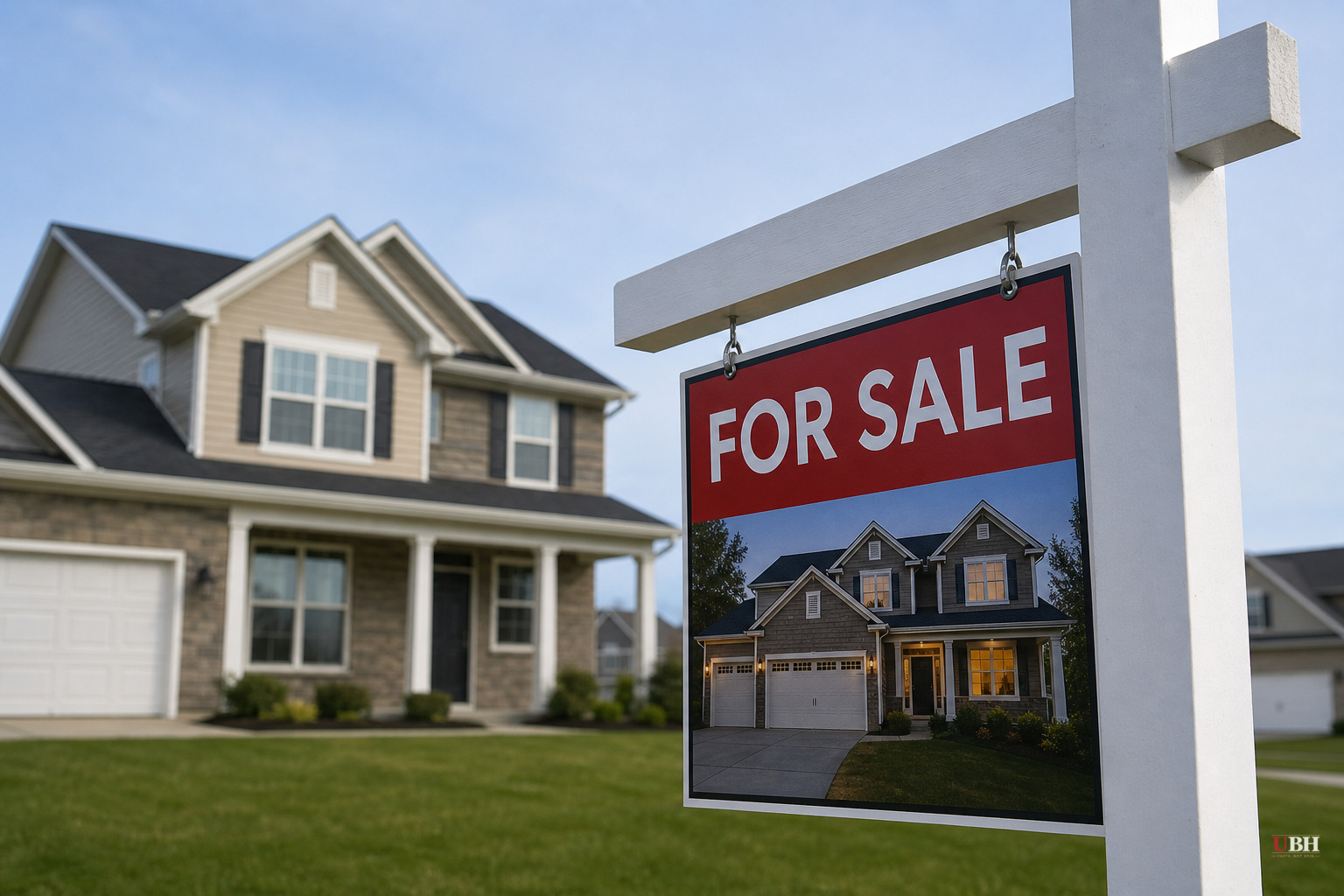
Since the 10-year Treasury yield touched about 4.7% at Thursday's close, its highest level since January 2025, that move has stopped being an abstract bond-market story and started showing up on actual loan paperwork.
Freddie Mac's weekly data, reported by CNBC, shows 30-year fixed mortgage rates hit about 6.6% on Thursday, the highest since August 2025. Fifteen-year fixed rates climbed to about 6%, the highest since June 2025.
Most Americans don't borrow at the Fed's federal funds rate. Mortgages, auto loans, and other long-term consumer debt often peg their rates to the 10-year Treasury yield instead, according to CNBC. When bond investors push that yield up, your loan rate follows, whether or not the Federal Reserve has touched its own benchmark.
Why bond investors, not just the Fed, set your rate
The Federal Reserve controls the federal funds rate, which has a direct impact on shorter-term borrowing costs like credit cards and other variable-rate loans, according to Chad NeSmith, a certified financial planner and director of investments at Tobias Financial Advisors in Plantation, Florida. But longer-term rates are a different animal — bond investors tend to have a much greater influence over the movement of 10-year Treasury yields and other longer-term bonds.
More specifically, it's investors' expectations for future inflation and the trajectory of Fed policy that guide bond yields up or down, experts said. Thomas Ryan, a North America economist at Capital Economics, put it plainly: investors are "pricing their own reality," and that pricing has "a big knock-on effect on consumers in terms of what [rates] they can borrow at."
If bond investors expect inflation to move higher, they demand a higher yield on longer-term Treasury bonds to compensate for the risk of inflation eroding their future returns, experts said. That's largely what's happening now.
The inflation math stacking up
Several pressures are feeding investor anxiety about inflation right now, and none of them are new individually, but they're compounding.
Average gasoline prices topped $4 a gallon again this week amid renewed tensions in the Iran war, according to Energy Information Administration data cited by CNBC. Oil prices jumped sharply in July as tensions in the Middle East ratcheted upward, and sustained high oil prices can filter through to prices across the economy for things like airline tickets, transportation and goods, according to NeSmith.
On top of that, the Trump administration imposed a slew of new tariffs on dozens of countries on Friday. Economists say these import taxes raise costs for consumers and businesses.
Add to that a stretch of inflation running above the Fed's target for more than five years, and the fact that the financial cushion provided by relatively high tax refunds this spring appears to have waned, economists said. Thomas Ryan called the Treasury yield rise "just another drag for households when you've got affordability hits elsewhere," adding that he doesn't "see much relief in terms of the borrowing cost side of things."
Impact on mortgage and auto loan shoppers
Consumers will largely feel the impact of higher Treasury yields in their ability to buy or sell a home, according to NeSmith. Mortgage rates are already more than double what they were during the Covid-19 pandemic, and experts say they could move above 7%. NeSmith said the trend "will increase the lock-in effect in the housing market, where they feel trapped."
Auto loans face similar pressure. Consumers who can't find an affordable rate for a car loan might forgo buying one altogether, NeSmith said, adding that the overall effect "just slows spending, because people have to borrow so much more."
None of this is happening in a vacuum. Lingering geopolitical tensions in the Middle East and broader concerns about energy markets are exactly the kind of thing that pushes bond investors toward demanding higher yields as insurance against future inflation.
What's unresolved
Capital Economics expects the Fed to raise interest rates three times this year — not necessarily in direct response to high oil prices, Ryan said, but reflecting "a broader view that inflation looks hot." There's a real question of whether the current yield climb is a temporary spike tied to geopolitical tensions and the tariff rollout, or the start of something longer. Ryan didn't offer a forecast for when relief might come, only that he doesn't see it coming soon.
The next data points to watch are the Fed's coming policy statements on whether it sees tariff- and oil-driven inflation as transitory or persistent, and whether the 10-year yield holds near its current level or keeps climbing if geopolitical tensions escalate further. Both will determine whether this week's mortgage rates are a peak or a floor.
Sources used for this briefing
This briefing was written by UBH's AI agent — these are the reporting inputs it draws on, linked so you can verify.


