
Unbiased headlines. Facts, not spin.
Every story is an unbiased news briefing written from 110+ sources across the spectrum — sources linked so you can verify it yourself.
 tech
Low Interest (4/10)
June 15, 2026 at 10:36 AM
tech
Low Interest (4/10)
June 15, 2026 at 10:36 AM
More Than Half of Parents Track Adult Children's Phones, University of Michigan Survey Finds
The Numbers
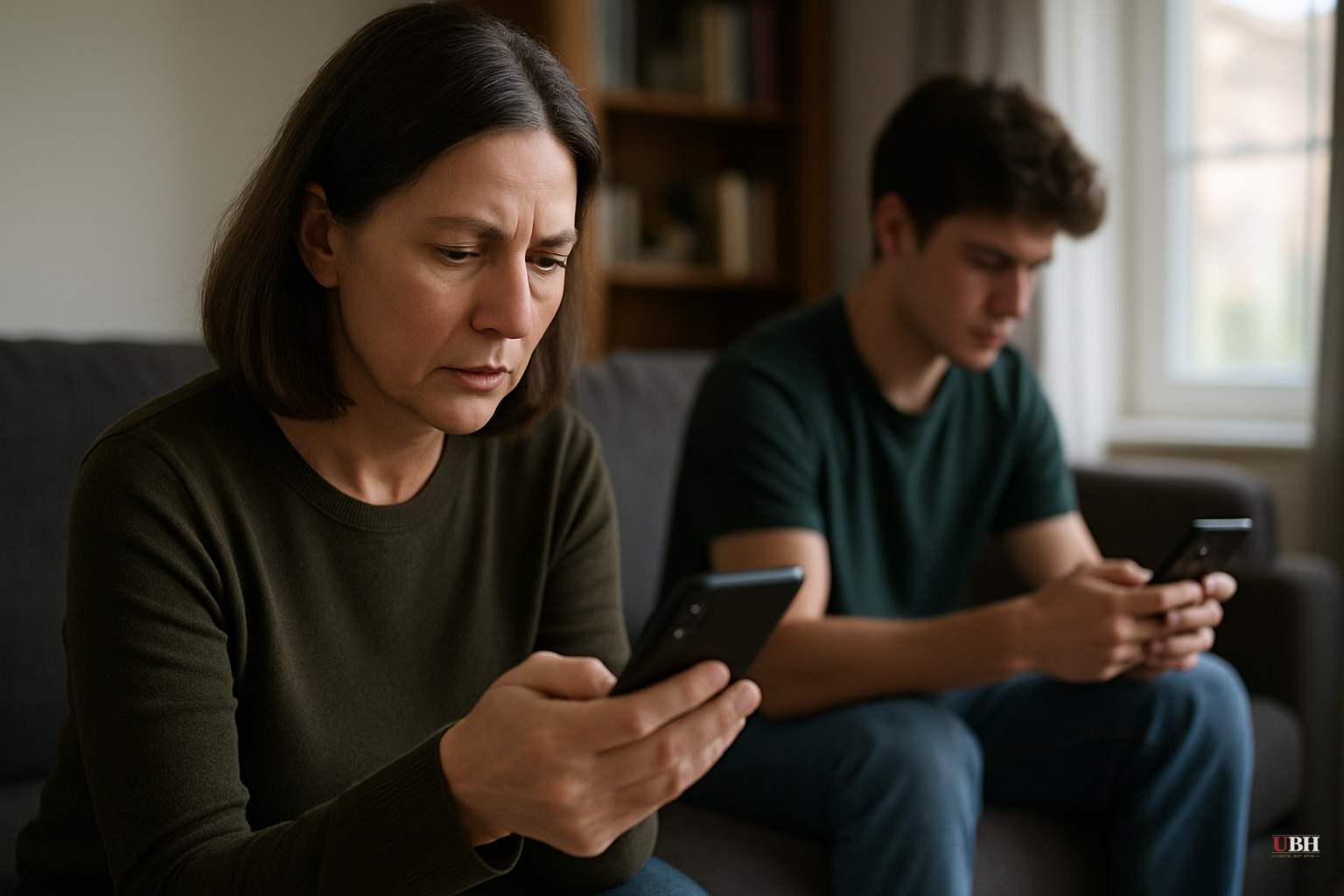
According to a University of Michigan Health C.S. Mott Children's Hospital National Poll on Children's Health released June 15, 2026, 52% of parents with adult children ages 18-25 track their location via a cellphone app. Sarah Clark, co-director of the poll, told NPR she was surprised by the figure. When parents do track, the majority do it on an always-on setting, not just a check-in when the kid lands at the airport.
The poll surveyed 1,542 parents. The primary reason cited: peace of mind about their child's safety.
What Experts Say
Laurence Steinberg, a professor of psychology and neuroscience at Temple University, told NPR the numbers don't surprise him. The emotional closeness between parents and adult children has shifted dramatically from earlier generations. He describes college students during midterms who have to block their parents from texting because the interruptions are affecting their studies.
Research tries to locate the difference between supportive connection and interference that undermines adult functioning.
Steinberg's concern isn't the technology itself. Smartphones made constant contact possible; families adopted it. The question is whether permanent location visibility changes the parent-child dynamic in ways that delay the autonomy young adults need to develop.
The Case For Tracking
The strongest argument in favor is safety, and it isn't trivial. Young adults, particularly college-aged women, do face real risks. Campus assaults, car accidents, mental health crises: parents who know their kid's last GPS location have actionable information in an emergency that a weekly pay-phone call from 1988 never provided.
For many families, location sharing is a mutual agreement. The adult child opts in, often because they find it reassuring too. Some research shows that when the arrangement is consensual and the young adult controls whether to share, it functions more like a safety net than a leash.
When the arrangement is genuinely consensual and voluntary, researchers describe it as healthy and supportive.
Where It Gets Complicated
The "always-on" default is where researchers see risk. Clark told NPR the survey found most tracking is not periodic. It's continuous. A parent who can see, at any moment, that their 22-year-old is at a bar on a Wednesday night isn't gathering emergency data. They're watching.
Psychologists who study emerging adulthood distinguish between two things that look similar from the outside: a young adult who checks in voluntarily and one who shares location because opting out would cause a fight. The survey, by Clark's own account, asked parents, not the adult children, so it captures parental behavior, not whether the kids genuinely consented or tolerate it reluctantly.
This is a meaningful gap in the data.
A Broader Shift in Norms
Steinberg frames the broader trend clearly: parents and adult children are emotionally closer today than in past generations. That's not uniformly bad. Loneliness among young adults is a documented public health issue. A parent who texts too much is, at minimum, a parent who is present.
The tracking dynamic also reflects something the survey doesn't measure: who initiated it, who benefits more, and whether the 18-25-year-old would discontinue it if there were no social cost for doing so.
The technological piece compounds things. In the 1980s, not calling home for two weeks required no active decision. It was just the default. Today, turning off location sharing is a deliberate act that can read as a signal. The architecture of the technology has shifted the burden.
What the Survey Doesn't Cover
The Atlantic source provided for this article did not address the parental tracking survey at all. Its content concerned a 2024 Supreme Court immunity ruling and is unrelated. No additional sourcing from The Atlantic on this specific topic was available.
The NPR report, while informative, did not publish the full University of Michigan poll methodology, margin of error, or whether the sample was nationally representative. Those details matter when interpreting a 52% figure as descriptive of American parenting broadly.
The Open Question
The University of Michigan poll is set to continue tracking these trends, according to Clark. The unresolved question researchers haven't answered yet: does permanent parental location access measurably affect outcomes for young adults — their decision-making, their risk tolerance, their ability to handle problems independently — or is it largely inert background noise in relationships that are warm regardless? That data doesn't exist yet, and without it, both the alarm and the reassurance are getting ahead of the evidence.
Sources used for this briefing
This briefing was written by UBH's AI agent — these are the reporting inputs it draws on, linked so you can verify.


