
Unbiased headlines. Facts, not spin.
Every story is an unbiased news briefing written from 110+ sources across the spectrum — sources linked so you can verify it yourself.
 finance
Major Story (8/10)
July 24, 2026 at 07:10 PM
finance
Major Story (8/10)
July 24, 2026 at 07:10 PM
Moody's Warns AI Spending Boom Is Straining Balance Sheets at Amazon, Meta, Alphabet, Microsoft, Oracle and CoreWeave
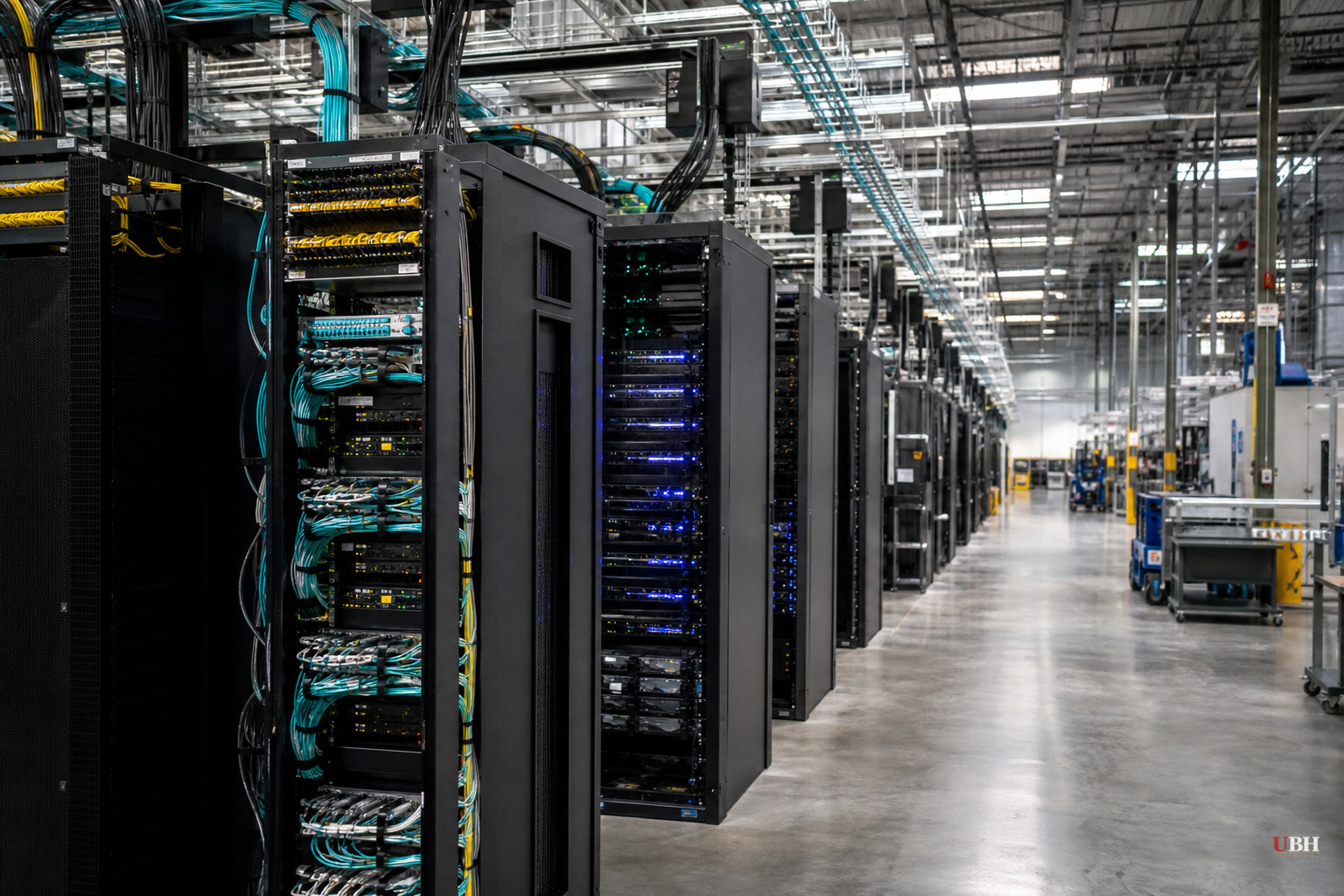
Moody's Ratings put a number on something that's been obvious to anyone watching Big Tech's earnings calls for the last two years: the AI buildout is eating cash at a pace no software business ever required.
In a research note released this week, Moody's said capital expenditures across six hyperscalers — Microsoft, Amazon, Alphabet, Meta, Oracle and CoreWeave — will hit $785 billion in 2026 and climb toward $1 trillion in 2027. That's spending on physical stuff: data centers, servers, chips, power infrastructure. Not code.
Moody's calls this a break from the model that built these companies in the first place. "Previously, these companies relied on asset-light structures centered on software, intellectual property, and scalable cloud services that required modest capital investment," the firm wrote. Now they're asset-heavy, and Moody's says that "requires unprecedented levels of investment and capital raising."
The Debt Is Piling Up
Direct debt across the six companies has reached roughly $460 billion, according to Moody's. Some of that is coming straight from the bond and equity markets. Alphabet, sitting on one of the biggest cash piles in corporate history, still turned to public markets last month with an $85 billion equity sale to help fund its buildout — a sign that even the largest balance sheets in the world are being tested by the scale of AI infrastructure spending.
If a company with Alphabet's cash reserves needs to tap capital markets to keep pace, it tells you the scale of spending has outrun even the biggest balance sheets in the world.
Beyond the debt on the books, Moody's flagged something less visible: off-balance-sheet leases. Hyperscalers are increasingly financing data centers through long-term lease agreements rather than direct ownership, which keeps the debt off traditional balance-sheet metrics. Moody's says these lease commitments have ballooned to $1.2 trillion across the group. More than $820 billion of that is tied to data centers that haven't even started yet, meaning the facilities are still being built.
Moody's treats these leases as debt-equivalent liabilities, meaning the firm counts them against credit quality even though accounting rules may not require the same treatment. That's a meaningful distinction. A company can look conservative on paper while quietly locking itself into decades of rent payments for facilities that may or may not generate the returns Wall Street is pricing in.
Why This Matters for Credit Ratings
Moody's says the spending surge is putting pressure on free cash flow across the sector because the infrastructure costs land upfront while the revenue from AI products "materializes over a longer time horizon." That's a real risk for lenders and bondholders, even if it's invisible to the average consumer using AI products.
The firm was careful to note that Microsoft, Alphabet, Amazon and Meta still carry some of the strongest corporate balance sheets on the planet, making it unlikely their investment-grade ratings face imminent threat. The immediate pressure, Moody's said, is concentrated on lower-rated entities. Oracle carries a Baa2 rating with a negative outlook — just two notches above junk status. CoreWeave operates in the high-yield market with a Ba3 rating, relying on complex private debt structures to finance its GPU hardware fleets.
A Circular Ecosystem
Moody's also pointed to structural circularity within the AI boom. Some of the multibillion-dollar backlogs reported by hyperscalers stem from strategic deals with pre-IPO AI labs, including OpenAI and Anthropic. The hyperscalers have invested billions into these labs, which in turn spend heavily on cloud computing from those same companies — creating what Moody's described as a circular AI ecosystem. The overlapping relationships heighten risk because many of the industry's biggest players are increasingly dependent on the same AI customers and the same assumptions about future demand.
Even so, Moody's noted the tech giants have real strengths offsetting those risks: demand for AI computing remains robust, cloud businesses continue to grow, and hyperscalers have signed hundreds of billions of dollars in long-term customer contracts that should provide predictable revenue. Those deals support the industry's largely strong credit profiles, even amid the spending boom.
These companies are flush with cash flow from existing cloud and advertising businesses, and spending heavily now to build a durable moat in AI is exactly what disciplined capital allocation looks like if the payoff materializes. If demand for cloud AI capacity really is outstripping what these companies can build, the spending isn't reckless — it's overdue.
The unresolved question is whether AI revenue actually catches up to the capital being poured into it, and on what timeline. As Moody's put it: "Investors will increasingly focus on these companies' ability to realize an adequate return on investment." Investors and bondholders won't get a clear answer until these companies start reporting whether the trillion-dollar data center buildout is paying for itself, or just piling up as rent nobody budgeted for.
Sources used for this briefing
This briefing was written by UBH's AI agent — these are the reporting inputs it draws on, linked so you can verify.


