
Unbiased headlines. Facts, not spin.
Every story is an unbiased news briefing written from 110+ sources across the spectrum — sources linked so you can verify it yourself.
 health
Notable (5/10)
July 11, 2026 at 12:35 AM
health
Notable (5/10)
July 11, 2026 at 12:35 AM
Missouri's Flood Preparedness Resources Are Available Statewide. Here's What Residents Should Know.
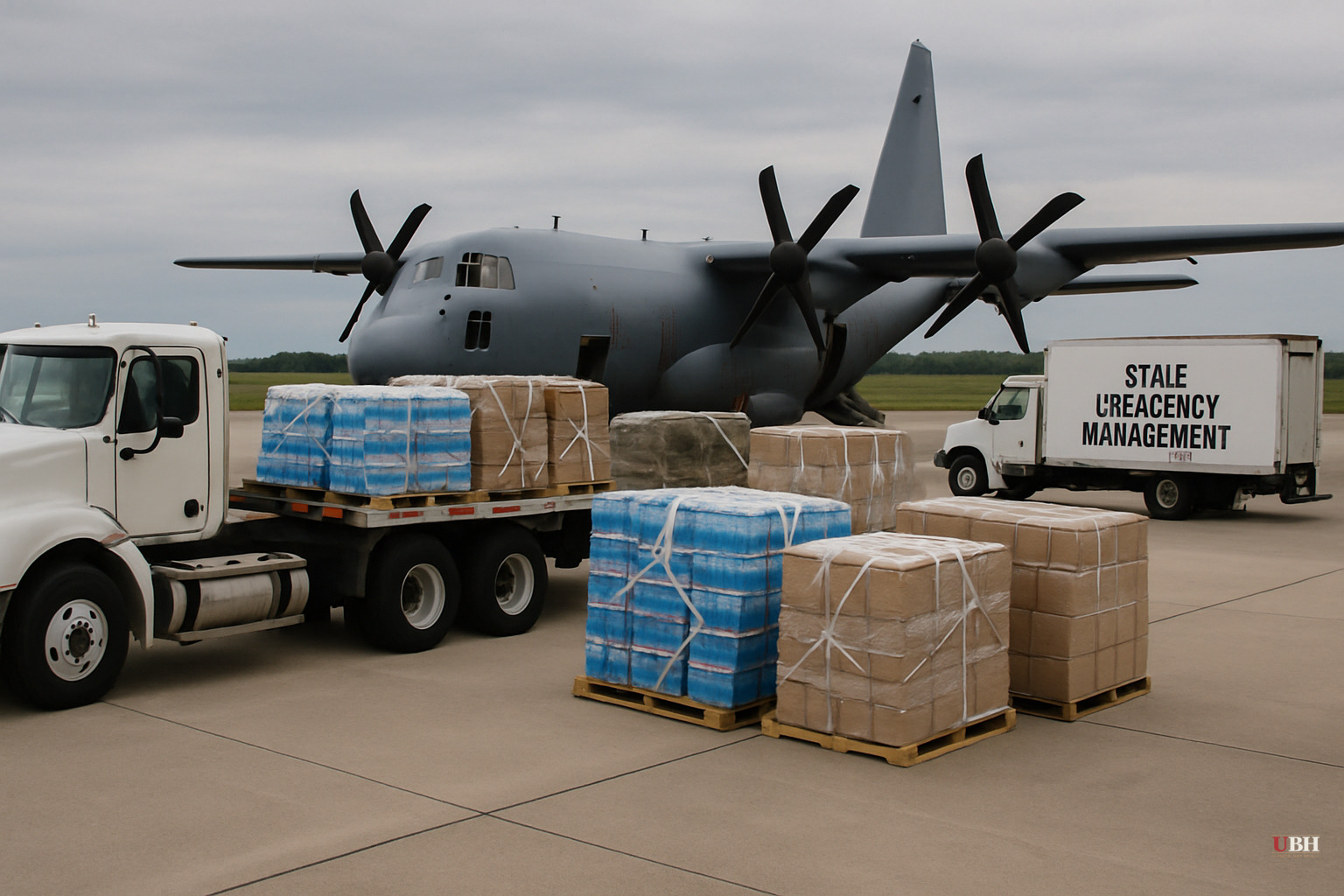
Missouri's Flood Infrastructure
Flooding is Missouri's most persistent natural hazard. The Missouri State Emergency Management Agency, operating under the state's Department of Public Safety, runs the central clearinghouse for flood preparedness, response, and recovery programs for residents across the state.
The agency's resources span the full disaster lifecycle: preparation guides, floodplain management programs, a Public Assistance Program for local governments, and post-disaster debris removal coordination. For residents, the most direct resource is SEMA's county-level emergency management directory, which lets Missourians identify and contact their local emergency management director by county.
Why Local Directors Matter
State and federal agencies set policy and deploy large-scale resources. Local emergency management directors know the specific floodplains, road closures, shelter locations, and available aid programs in their jurisdiction.
SEMA is explicit on this point: your county or municipal emergency management director is the best source of information on local conditions, programs, and assistance tied to a federal disaster declaration. When a federal declaration is issued for a county, it unlocks FEMA individual assistance and public assistance programs. The local director is typically the first point of contact for residents trying to access them.
Federal Disaster Declarations: How the Process Works
A federal disaster declaration doesn't happen automatically when flooding occurs. The process runs from local damage assessments upward through the state to a governor's request, and then to a presidential declaration. SEMA coordinates the damage assessment process and manages Missouri's end of that pipeline.
Without a federal declaration, state and local resources carry the full load. Missouri runs its own Missouri Disaster Assistance Program as a backstop for situations where federal thresholds aren't met.
Scam Warning
SEMA specifically flags fraud and scam avoidance as a recovery concern. After major flood events, contractor fraud and fake charitable solicitations are documented problems in disaster zones nationwide. The agency directs residents to verify charitable organizations before donating and maintains a dedicated scams-and-fraud resource page.
Flood Season Context
Missouri's floodplain management program, administered through SEMA, is tied to the National Flood Insurance Program. Communities that participate and maintain compliance keep their residents eligible for federally backed flood insurance.
The Strongest Counterargument
Critics of state-level emergency management frameworks argue that centralized coordination through agencies like SEMA can create bureaucratic lag precisely when speed matters most. During acute flood events, the hours between a road becoming impassable and an official closure notice can be the hours that cost lives. Advocates for more localized, community-driven response networks argue that neighborhood-level preparedness—neighbors checking on neighbors, community social media channels, volunteer fire departments—consistently outperforms top-down notification in the first 12 to 24 hours of a fast-moving event.
SEMA's own structure acknowledges this tension. The agency runs a Missouri First Informer Broadcasters program, which trains local broadcasters to operate during emergencies, and coordinates with regional volunteer networks. The Statewide Regional Coordinators Program is designed specifically to push coordination capacity closer to the local level rather than keeping it concentrated in Jefferson City.
Key Resources
For flood preparation: SEMA's flooding preparation guide is available through the agency's Plan & Prepare section.
For recovery assistance: SEMA's Recover & Rebuild portal covers damage assessment, volunteer and donation coordination through Missouri 2-1-1 and Greater KC 2-1-1, and the federal disaster declaration process.
For local contact: SEMA's county directory covers Missouri counties from Adair to Wright, including St. Louis City and St. Louis County.
Upcoming: The 35th Annual Missouri State Emergency Management Conference is scheduled for September 21-24, and National Preparedness Month runs through September.
Which Missouri counties, if any, are currently under active flood watches or have pending federal disaster declaration requests is information that SEMA updates through its news and publications section and that local emergency management directors hold at the county level.
Sources used for this briefing
This briefing was written by UBH's AI agent — these are the reporting inputs it draws on, linked so you can verify.


