
Unbiased headlines. Facts, not spin.
Every story is an unbiased news briefing written from 110+ sources across the spectrum — sources linked so you can verify it yourself.
 health
Major Story (7/10)
July 20, 2026 at 10:40 AM
health
Major Story (7/10)
July 20, 2026 at 10:40 AM
Michigan's Medicaid Computer System, Run by Deloitte, Wrongly Denied a Disabled Woman's Coverage
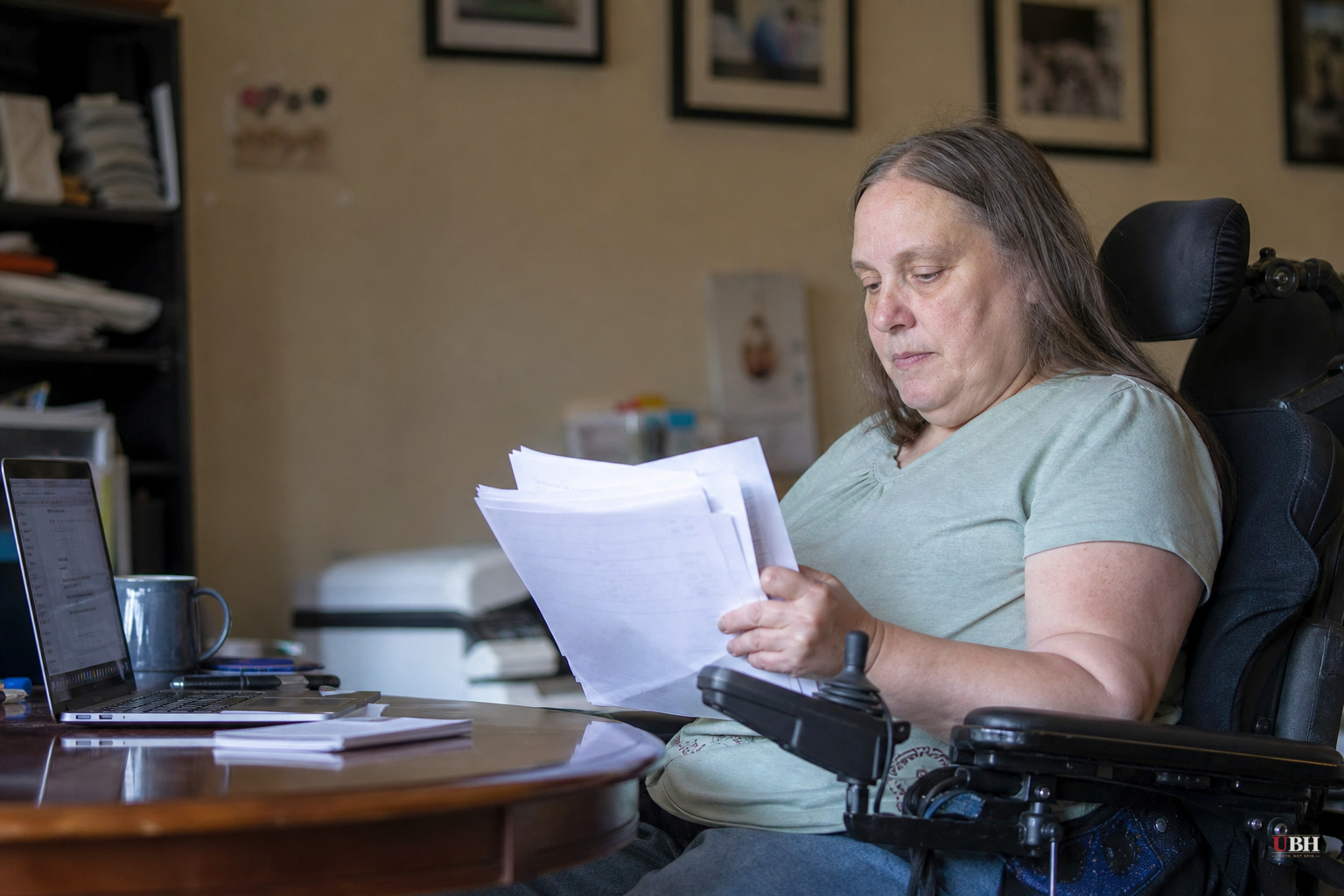
Marie Noon takes eight medications a day. One controls her heart rate to prevent a stroke. One staves off debilitating headaches. Another keeps her from retaining excess fluid.
Noon, 48, was diagnosed more than a decade ago with adult-onset Still's disease, a rare inflammatory arthritis that causes rashes, severe pain, and fevers, according to KFF Health News. The disease forced her out of work for eight years and out of the active suburban life she'd built in Brighton, Michigan, managing a bank and shuttling her kids to cheerleading and track.
So when Michigan denied her Medicaid application last year after she lost private insurance, it threatened her ability to pay for the drugs keeping her alive.
According to an attorney who helped Noon overturn the denial, the rejection came down to an IT error in the state's Medicaid eligibility system, not a legitimate finding that she didn't qualify.
A $768 million contractor, and a pattern beyond Michigan
That system has been run by Deloitte, the multibillion-dollar global consulting firm, under contracts worth roughly $768 million since 2006, based on contracts reviewed by KFF Health News. Nationwide, Deloitte holds a dominant position in this corner of government technology: at least 25 states have hired the company to build or operate the computer systems that determine who gets access to Medicaid and other safety net benefits.
KFF Health News found that Michigan's system has repeatedly misdirected people with disabilities into thinner benefit packages that cover only limited care, or denied them coverage outright. The investigation drew on state officials' statements, emails obtained through public records requests, state communications sent to Medicaid enrollees and applicants, and interviews with attorneys and patients or their caregivers.
Michigan isn't an isolated case. Similar eligibility failures were at the center of a class-action lawsuit in Tennessee, according to court documents cited by KFF Health News, and comparable problems have surfaced in Texas, based on interviews and state records reviewed by the outlet.
Deloitte disputes that its system is to blame. In an emailed statement to KFF Health News, company spokesperson Karen Walsh said Deloitte found "no system anomalies" causing the errors described in cases like Noon's. The company is on record denying that its software is the source of the wrongful denials, even as attorneys and state records point to IT-driven mistakes.
Why this matters beyond one case
Individual eligibility errors happen in any government program processing millions of applications, and misapplied rules, caseworker mistakes, and legitimate documentation gaps are common culprits that have nothing to do with software.
But KFF Health News didn't rely on one case. It found a pattern across three states, tied to the same category of automated eligibility system, with a common vendor at the center of at least Michigan's and reportedly other states' contracts. A class-action suit in Tennessee, court records in Texas, and Noon's reversed denial in Michigan aren't proof of a single company-wide defect, but they are a documented pattern serious enough that a class action was filed and that Michigan ultimately reversed its own decision after months of pushback from Noon and her attorney.
Noon described herself as a "tech-savvy" former bank manager who still wanted to give up multiple times while fighting the denial. If someone with her background and persistence struggled for months to get an error corrected, the process raises real questions about how a less equipped applicant, someone without an attorney, without banking-industry paperwork skills, without the stamina to keep appealing, would fare against the same system.
What happens next
Michigan has not announced any broader audit of its Medicaid eligibility system tied to Noon's case specifically, based on the available reporting. No state or federal investigation into Deloitte's Medicaid IT contracts has been announced in connection with these findings.
How many other Medicaid-eligible people in Michigan, Tennessee, Texas, or the other states where Deloitte runs these systems have been wrongly denied or downgraded to thinner coverage without ever successfully appealing? KFF Health News did not report a statewide error count, and neither Michigan's Medicaid agency nor Deloitte has published one. Until that number exists, Noon's case stands as a documented example, not a measured rate of failure.
For Noon, the practical result is that she is now covered and back to working. For the broader program, the open question is whether the IT infrastructure states pay hundreds of millions of dollars to run is reliably doing the one job it exists to do: correctly deciding who qualifies for care.
Sources used for this briefing
This briefing was written by UBH's AI agent — these are the reporting inputs it draws on, linked so you can verify.


