
Unbiased headlines. Facts, not spin.
Every story is an unbiased news briefing written from 110+ sources across the spectrum — sources linked so you can verify it yourself.
 politics
Notable (5/10)
August 2, 2026 at 02:26 AM
politics
Notable (5/10)
August 2, 2026 at 02:26 AM
Michigan Hospital Pays $410,000 to Settle PA's Lawsuit Over Transgender Training Refusal
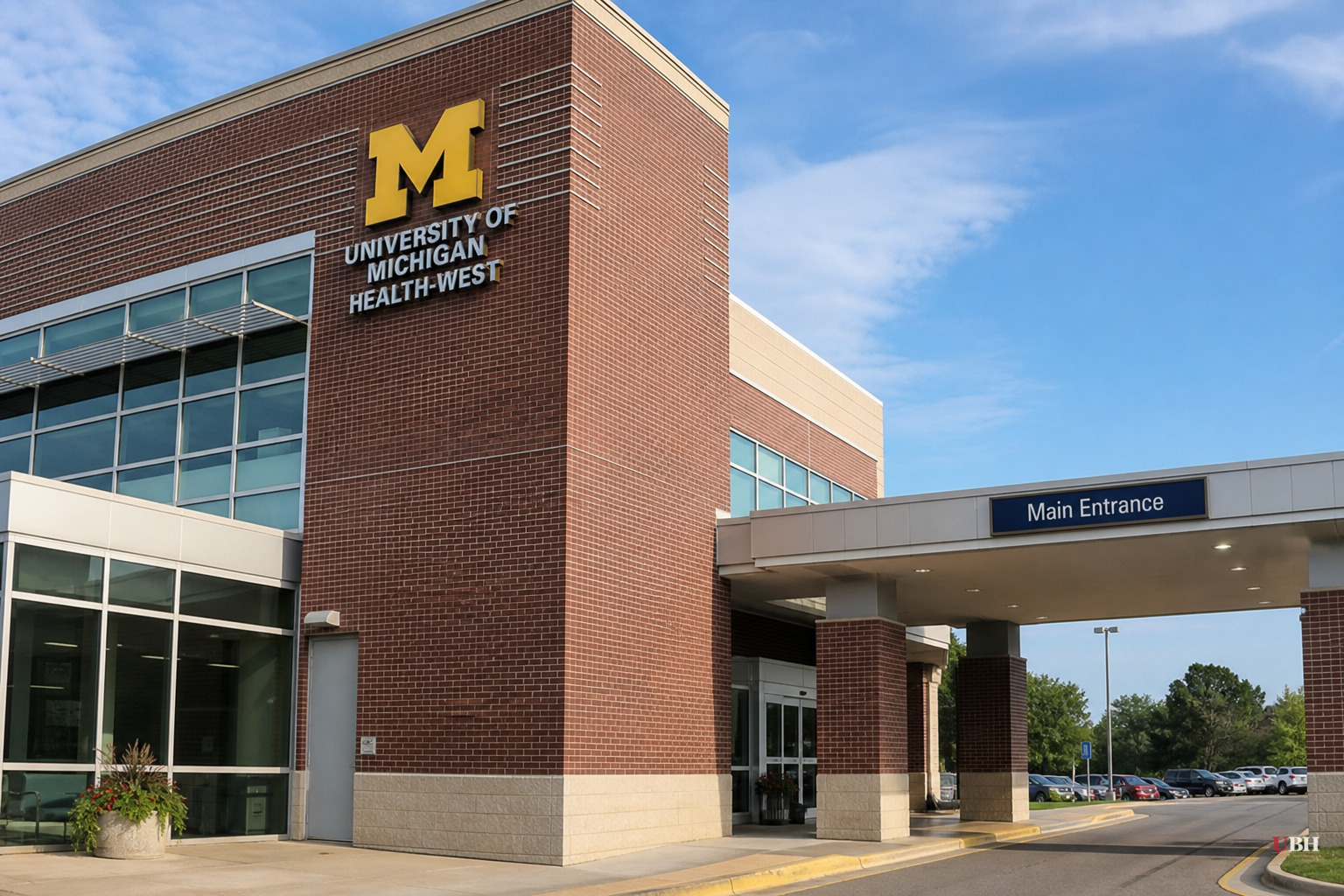
A Michigan hospital system is paying $410,000 to settle a lawsuit brought by a physician assistant who says she was fired for refusing, on religious grounds, to complete mandatory transgender training.
Valerie Kloosterman worked at University of Michigan Health-West (UMHW), a 200-bed teaching hospital near Grand Rapids, before she was terminated in August 2021. She sued in 2022, alleging the hospital required her to affirm statements about gender identity that conflicted with her Christian faith.
According to Kloosterman's legal team at First Liberty Institute, she had received positive performance reviews throughout her employment before she raised faith-based objections to the training. She requested a religious accommodation instead of completing it. The institute says no accommodation was offered.
What the Lawsuit Alleged
The lawsuit, as reported by Fox News Digital, claims UMHW officials called Kloosterman into a meeting where they disparaged her religious beliefs, called her "evil" and a "liar," told her she could not bring her Christian beliefs into the workplace, and accused her of contributing to suicides among people with gender dysphoria.
Those are allegations made in Kloosterman's complaint. UMHW has not publicly disputed or confirmed the specific quotes attributed to its officials in available reporting, and the settlement resolves the case without a trial or judicial finding of fact.
Kloosterman's attorney, Kayla Toney of First Liberty Institute, said the case rested on Title VII of the Civil Rights Act of 1964, which bars employers from discriminating against workers based on religion. "Employers cannot drive out people like Valerie just because of their sincere religious beliefs," Toney said in a statement.
The Settlement Terms
Beyond the $410,000 payment, UMHW agreed to formulate a religious accommodation policy that complies with federal law, train employees on it, and provide reasonable religious accommodations without retaliation to workers who request them.
"All I wanted to do was provide the best care possible to my patients without being forced to violate my Christian beliefs," Kloosterman said in a statement to Fox News Digital. She added that the new policy "ensures that providers of faith and employees at UMHW will receive religious accommodations so that they can provide excellent care consistent with their medical judgment, because all patients are created in the image of God."
The Legal Question Underneath This
Title VII requires employers to provide reasonable religious accommodations to employees unless doing so would cause undue hardship on the business. That standard got a significant boost for employees in 2023, when the Supreme Court's Groff v. DeJoy ruling raised the bar employers must clear to deny a religious accommodation, moving away from a lenient "more than de minimis cost" test toward a tougher standard.
That legal shift matters here. Hospitals and other employers have leaned on nondiscrimination and patient-care policies to justify mandatory training on gender identity and pronoun usage. Employees like Kloosterman argue those mandates can cross into compelled speech or compelled affirmation of beliefs they don't hold, which Title VII's religious protections were designed to guard against.
A hospital administrator would likely counter that consistent, hospital-wide training on treating transgender patients is a legitimate patient-care requirement, not an ideological litmus test, and that accommodating every individual objection to a training module could complicate uniform care standards across a large staff.
What's Unresolved
UMHW settled rather than litigate the case to a verdict, so there's no court ruling establishing that the hospital actually discriminated against Kloosterman. Settlements often reflect a business decision to avoid the cost and exposure of trial, not necessarily an admission of the underlying facts.
It's also unclear how many other UMHW employees may have faced similar training mandates or requested similar accommodations before Kloosterman's firing, since that data hasn't been made public. The new accommodation policy the hospital agreed to implement will be the practical test of whether this settlement changes anything for other employees going forward, or simply resolves one high-profile case.
Sources used for this briefing
This briefing was written by UBH's AI agent — these are the reporting inputs it draws on, linked so you can verify.


