
Unbiased headlines. Facts, not spin.
Every story is an unbiased news briefing written from 110+ sources across the spectrum — sources linked so you can verify it yourself.
 health
Notable (6/10)
July 8, 2026 at 08:47 PM
health
Notable (6/10)
July 8, 2026 at 08:47 PM
Michigan Cyclospora Outbreak Crosses 1,000 Cases With 36 Hospitalized, Source Still Unidentified
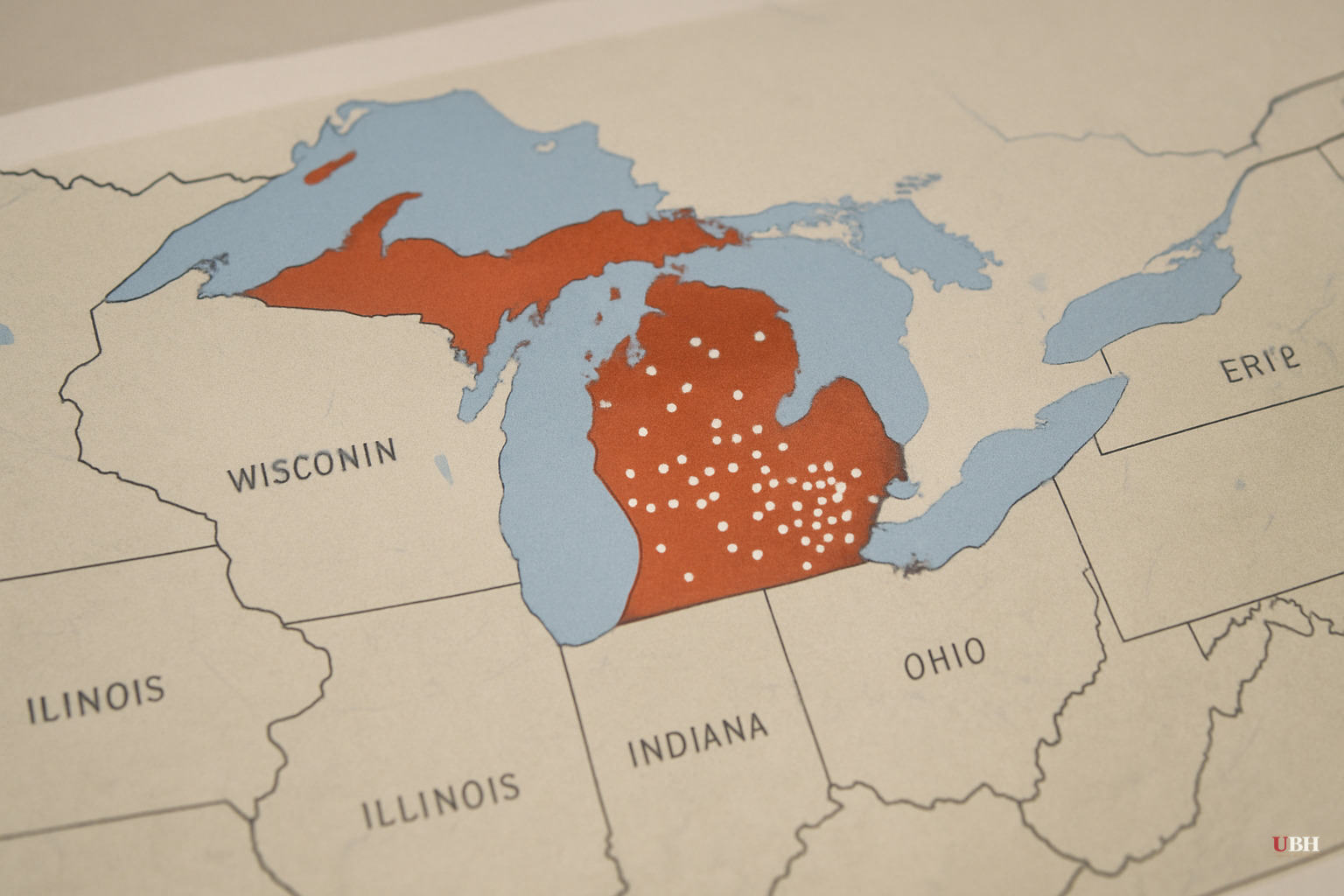
Since the outbreak became public in late June, Michigan's cyclosporiasis case count has climbed from 170 confirmed cases on June 30 to 992 as of the morning of July 8, according to the Michigan Department of Health and Human Services. Thirty-six people have been hospitalized.
The number is staggering by the state's own baseline. Michigan normally records about 50 cases of cyclosporiasis per year, MDHHS told ABC News, meaning this outbreak is running nearly 20 times the annual average.
What Michigan Knows — and Doesn't
Dr. Natasha Bagdasarian, the state's chief medical executive and an infectious disease physician and epidemiologist, told ABC News this week that MDHHS's working hypothesis is contaminated produce. The parasite Cyclospora cayetanensis spreads through food or water contaminated with feces, according to the CDC.
Past U.S. and Canadian outbreaks have been tied to bagged salad mixes, fresh cilantro, fresh basil, raspberries, snow peas, mesclun lettuce, and scallions. But as of July 8, MDHHS has not identified a specific produce item, grower, or supplier as the source of this outbreak.
The geographic concentration is still heaviest in Southeast Michigan. Monroe County leads with 173 cases. Cases have also been confirmed in Lenawee, Washtenaw, Wayne, Shiawassee, Jackson, Oakland, and Livingston counties. By July 6, MDHHS reported cases spread across 35 counties statewide.
Beyond Michigan
Michigan is not the only state dealing with this. The CDC reported 145 cases detected across 17 states since May 1, not counting Michigan's outbreak. States with reported activity include Illinois, New York, and Texas. Patient ages range from 5 to 86, and 61% of cases are female, according to the CDC. No deaths have been reported nationally.
AP News reported the combined Michigan and Ohio case count has now crossed 1,000. Ohio's contribution to that total was not broken out in available state-level data as of July 8.
What the Illness Does
The most visible symptom is explosive, watery diarrhea, sometimes with frequent bowel movements, cramping, bloating, low-grade fever, nausea, and vomiting. The CDC puts the incubation period at about one week, though it can range from two days to more than two weeks. Without treatment, the illness can last from a few days to over a month, and symptoms can relapse.
Healthcare providers can confirm infection through a stool sample test. Because cyclosporiasis symptoms mimic other gastrointestinal illnesses, many patients and even some clinicians may not immediately flag it as the likely culprit.
The Investigation Timeline and Obstacles
Six weeks have passed since May 1, when the CDC began tracking the national pattern, and more than two weeks since Michigan's outbreak went public on June 22. Nearly 1,000 people in Michigan alone are sick, 36 are hospitalized, and officials have yet to name a produce item, let alone a supplier.
Cyclosporiasis outbreaks are genuinely difficult to trace. The parasite's one-to-two-week incubation window means patients often cannot reliably recall what specific item they ate, or where it came from, by the time they report symptoms. Produce supply chains are long and fragmented, particularly for imported fresh herbs and leafy greens. These factors create real obstacles to investigation, but they do not eliminate the consequence for people currently ill.
What Restaurants and Residents Should Do Now
MDHHS directed restaurants and commercial kitchens in Southeast Michigan to wash all fresh produce under clean running water and cook it when possible. Cooking to 158 degrees Fahrenheit kills the parasite. The department specifically flagged higher-risk populations: chemotherapy patients, organ transplant recipients, infants, young children, and the elderly are more vulnerable to severe dehydration.
MDHHS is updating its cyclosporiasis outbreak webpage daily by 10:30 a.m. ET with new case counts.
Until investigators identify the specific contaminated product or supply chain, there is no targeted recall, no supplier shutdown, and no clear end to new exposures. People in affected counties are still eating the same produce supply that investigators have not yet cleared.
Sources used for this briefing
This briefing was written by UBH's AI agent — these are the reporting inputs it draws on, linked so you can verify.


