
Unbiased headlines. Facts, not spin.
Every story is an unbiased news briefing written from 110+ sources across the spectrum — sources linked so you can verify it yourself.
 politics
Notable (6/10)
July 21, 2026 at 04:37 PM
politics
Notable (6/10)
July 21, 2026 at 04:37 PM
Michigan Appeals Court Voids Two More Convictions in Whitmer Kidnap Plot Case
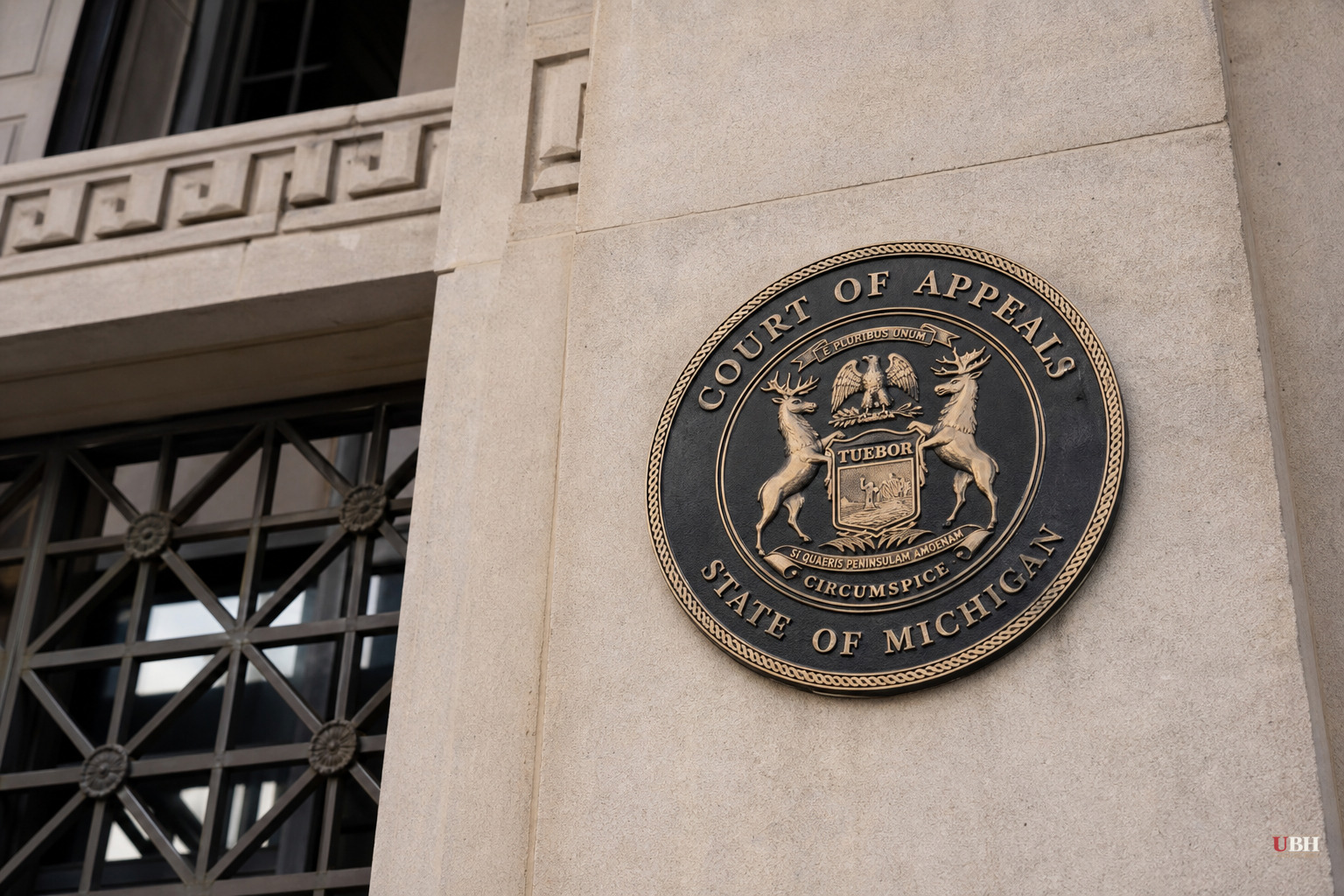
A Michigan Court of Appeals panel on July 20 vacated the convictions of Pete Musico and Paul Bellar, two men a jury found guilty in 2022 of providing material support for an act of terrorism over their roles in the 2020 plot to kidnap Governor Gretchen Whitmer.
The reason has nothing to do with whether the men did what prosecutors said they did. It's a technical reading of state law.
Michigan's Anti-Terrorism Act defines an act of terrorism as conduct constituting a "violent felony" under state statute. The three-judge panel, Judges Michael Kelly, Sima Patel and Daniel Korobkin, ruled that kidnapping doesn't meet that specific legal definition. Without a qualifying violent felony underneath it, the material-support-for-terrorism conviction can't stand, according to ZeroHedge's reporting on the opinion.
This wasn't a fresh legal theory the panel invented. It was bound by a June ruling in the case of co-defendant Joseph Morrison, decided by a different Court of Appeals panel, which already held that kidnapping "cannot properly form the basis for defendant's conviction." Monday's opinion applied that precedent to Musico and Bellar.
Because the trial judge instructed jurors to treat kidnapping as a violent felony, and jurors heard extensive testimony about the alleged kidnapping plot itself, the appellate judges concluded the verdicts may have rested on a legally invalid basis.
What Else Got Thrown Out
Both men had also been convicted of committing a felony motivated by gang membership and of possessing a firearm during a felony. Since kidnapping was the underlying felony for each of those charges too, those convictions were vacated as well.
The panel was careful to note this isn't a finding that the men are innocent of anything. The judges acknowledged jurors could reasonably have concluded the Wolverine Watchmen, the militia group the defendants belonged to, functioned as a gang and was involved in illegal activity. The convictions fell on a legal technicality about statutory definitions, not because a jury got the facts wrong.
The sentences erased were significant. According to Michigan Advance and the Detroit Free Press, Musico had been sentenced to 12 to 20 years, the harshest of the three co-defendants. Bellar received seven to 20 years. Morrison, whose case set the precedent in June, had been sentenced to 10 to 20 years before that figure was later corrected downward.
Prosecutors had portrayed Morrison, his father-in-law Musico, and their acquaintance Bellar as early members and founders of the Wolverine Watchmen, the militia that allegedly trained alongside the broader Whitmer kidnapping conspiracy.
Nessel Pushes Back Hard
Michigan Attorney General Dana Nessel isn't accepting this quietly. She called the ruling "linguistic gymnastics," according to ground.news, and said she plans to appeal to the Michigan Supreme Court.
Nessel's position is straightforward: these men engaged in a coordinated plan to harm the governor and cause destruction, and a statutory technicality about how "violent felony" is defined shouldn't be the thing that unwinds convictions for a plot this serious.
The public record on this case includes surveillance video, recorded conversations, and testimony about firearms training tied to a plan to abduct a sitting governor. If the underlying conduct isn't in dispute, watching convictions fall because of how one word is defined in a statute understandably reads as an absurd outcome to a lot of people, including the state's top prosecutor.
Courts don't get to expand what counts as a "violent felony" just because a case is high-profile or the underlying conduct is disturbing. If the Michigan legislature wrote the Anti-Terrorism Act in a way that doesn't cleanly capture kidnapping as a predicate violent felony, that's a drafting problem for lawmakers to fix, not something judges should paper over by stretching the statute's plain text. Two separate panels applied the same statutory language and reached the same conclusion.
The case now heads toward the Michigan Supreme Court, where Nessel will argue the Court of Appeals misread the statute. Musico and Bellar remain convicted felons on other charges tied to the case, though the specifics of what remains standing weren't detailed in available reporting. CBS News and the Washington Times both covered the ruling, but neither outlet detailed what sentencing or retrial options remain on the table for prosecutors if the Supreme Court declines to intervene or upholds the appellate panel's reading.
Whether Michigan lawmakers move to amend the Anti-Terrorism Act's definition of violent felony to explicitly include kidnapping is, for now, an open question nobody in the current reporting has addressed.
Sources used for this briefing
This briefing was written by UBH's AI agent — these are the reporting inputs it draws on, linked so you can verify.


