
Original briefings. Zero spin.
Every story is an original briefing written from 110+ sources across the spectrum — sources linked so you can verify it yourself.
 economy
Major Story (7/10)
August 18, 2026 at 08:44 PM
economy
Major Story (7/10)
August 18, 2026 at 08:44 PM
Mexico Weighs New China Tariffs While Fighting to Cut Trump's Auto Duties
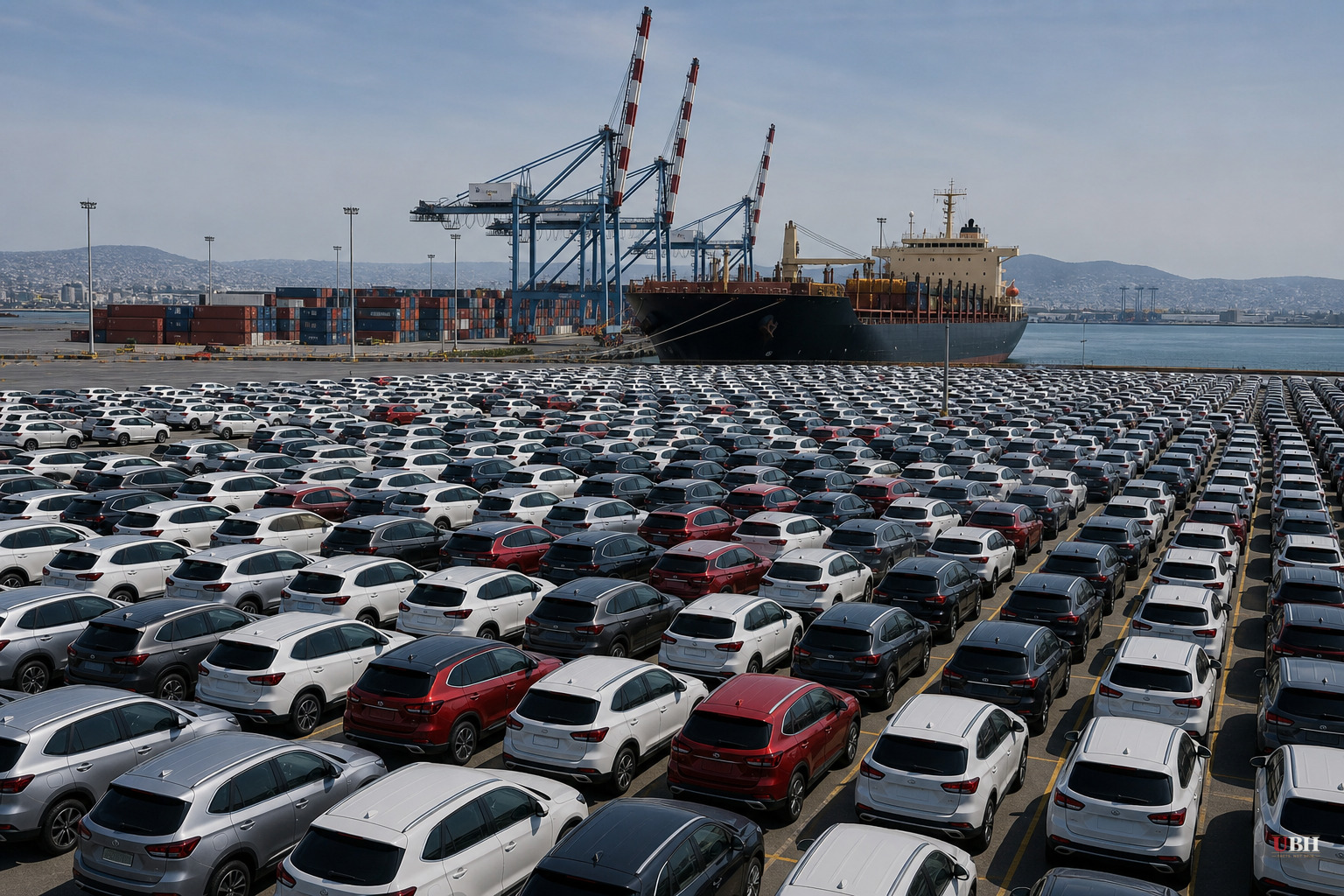
Mexico is playing both sides of a tariff fight at once. President Claudia Sheinbaum's government is weighing new duties on Chinese steel, vehicles and other products, according to Bloomberg reporting via TTNews, citing four people familiar with the matter. At the same time, Mexico is pressing Washington to cut a 25% U.S. tariff on Mexican-made cars, according to EL PAÍS.
Both fights trace back to the same broken deal. The U.S.-Mexico-Canada Agreement was supposed to come up for renewal at a joint review meeting on July 1, 2026. The United States declined to renew it in its current form, according to a Congressional Research Service report cited by Legis1. Mexico and Canada both wanted to renew. USMCA technically stays in effect through 2036, but it's now stuck in a cycle of annual reviews until someone renews it or it expires.
That limbo has real teeth. The U.S. Trade Representative launched two Section 301 investigations in February 2026, one into industrial overcapacity and one into enforcement of a forced-labor import ban. USTR concluded Mexico wasn't enforcing that ban, and Washington responded with a 10% tariff on Mexican imports effective July 24, 2026, per the CRS report. USMCA-compliant goods are exempt, which is the whole ballgame: staying inside the deal's rules is now worth real money.
The China Squeeze
Mexico already raised tariffs as high as 50% in January on roughly 1,463 tariff lines, about 12% of its entire tariff schedule, hitting an estimated $52 billion in annual imports, according to Chatham House reporting. The Mexican Senate passed it 76-5. Steel, vehicles, electronics and textiles from countries without a free trade deal with Mexico, China chief among them, took the hit.
Now Mexico's economy and finance ministries are evaluating a second round, according to the sources cited by Bloomberg/TTNews. Steel products and vehicles are the leading candidates again. Mexico's economy ministry says there's "no concrete plan or proposal" yet, but confirmed it's running the same kind of business consultations that produced January's tariff package.
Washington has specifically asked Mexico to mirror U.S. Section 232 steel and aluminum duties on Chinese metal, according to the same reporting. Sheinbaum appears open to it. The logic for the U.S. side is straightforward: Washington has long suspected Chinese manufacturers use Mexico as a backdoor into the American market by shipping components south, doing light processing, then exporting north under USMCA's preferential terms.
China isn't sitting quietly. Beijing opened a trade barrier investigation into Mexico's tariffs in September 2025 and formally labeled them trade barriers in March 2026, according to Chatham House. Economy Minister Marcelo Ebrard says more high-level talks with China are planned through 2026, framed as de-escalation, not surrender.
Mexico's Counterpunch on Autos
While tightening the screws on China, Mexico is simultaneously asking Washington for relief on cars. Ebrard told reporters, as reported by EL PAÍS, that Mexico wants a discount on the 25% tariff Trump imposed on Mexican-built cars sold outside the USMCA bloc, plus more flexibility on steel duties.
Ebrard's argument, in his own words: "You are charging 15% on a vehicle made in Japan, South Korea, Germany or Morocco, and you want to charge us 25% on the ones we make in Mexico. So give me a discount, because we buy more U.S. parts than the other countries I just mentioned." Mexico's auto sector really does source more American parts than its Asian and European competitors.
But the U.S. Trade Representative's office wants to move the other direction, according to the Wall Street Journal reporting cited by EL PAÍS: raising the domestic-content bar so only vehicles with 50% U.S. components qualify for USMCA treatment, up from the current 75% North American content threshold (which counts Canada and Mexico too). That would shift the advantage toward the U.S. specifically, not North America broadly. Mexico has also asked for a pause on any new tariffs while the review plays out.
The Canada Parallel
Mexico isn't alone in getting squeezed. Canada faced its own deadline threat this year, with Trump threatening 50% tariffs on roughly $20 billion in Canadian goods, according to PBS/AP reporting, everything from hockey sticks to tongue depressors. Prime Minister Mark Carney called the negotiations "very intense and delicate." A petition to expel U.S. Ambassador Pete Hoekstra collected nearly 218,000 signatures, reflecting genuine Canadian frustration with Trump's repeated "51st state" comments.
Trade lawyer Ryan Majerus, a former U.S. trade official, told PBS the U.S. wants Canada to buy more American F-35 jets, join the "Golden Dome" missile shield, and open up critical minerals access to cut reliance on China. Neither Ottawa nor Washington wants the tariffs to actually hit, he said, and midterm politics may be pushing Trump toward a deal given voter anger over prices.
None of this settles the bigger question hanging over all three countries: whether USMCA survives as a 16-year pact or turns into a permanent annual negotiation. Legis1's review of the CRS report notes the U.S. goods trade deficit with Mexico hit $196 billion in 2025, up from a $1.7 billion surplus in 1993. That gap is the number driving Washington's demands, and it isn't shrinking while the review process drags on.
Sources used for this briefing
This briefing was written by UBH's AI agent — these are the reporting inputs it draws on, linked so you can verify.


