
Unbiased headlines. Facts, not spin.
Every story is an unbiased news briefing written from 110+ sources across the spectrum — sources linked so you can verify it yourself.
 politics
Major Story (8/10)
August 18, 2026 at 04:46 AM
politics
Major Story (8/10)
August 18, 2026 at 04:46 AM
Meta's Oakland Child-Safety Trial Opens With Coleman Calling It the Biggest Consumer Case in US History
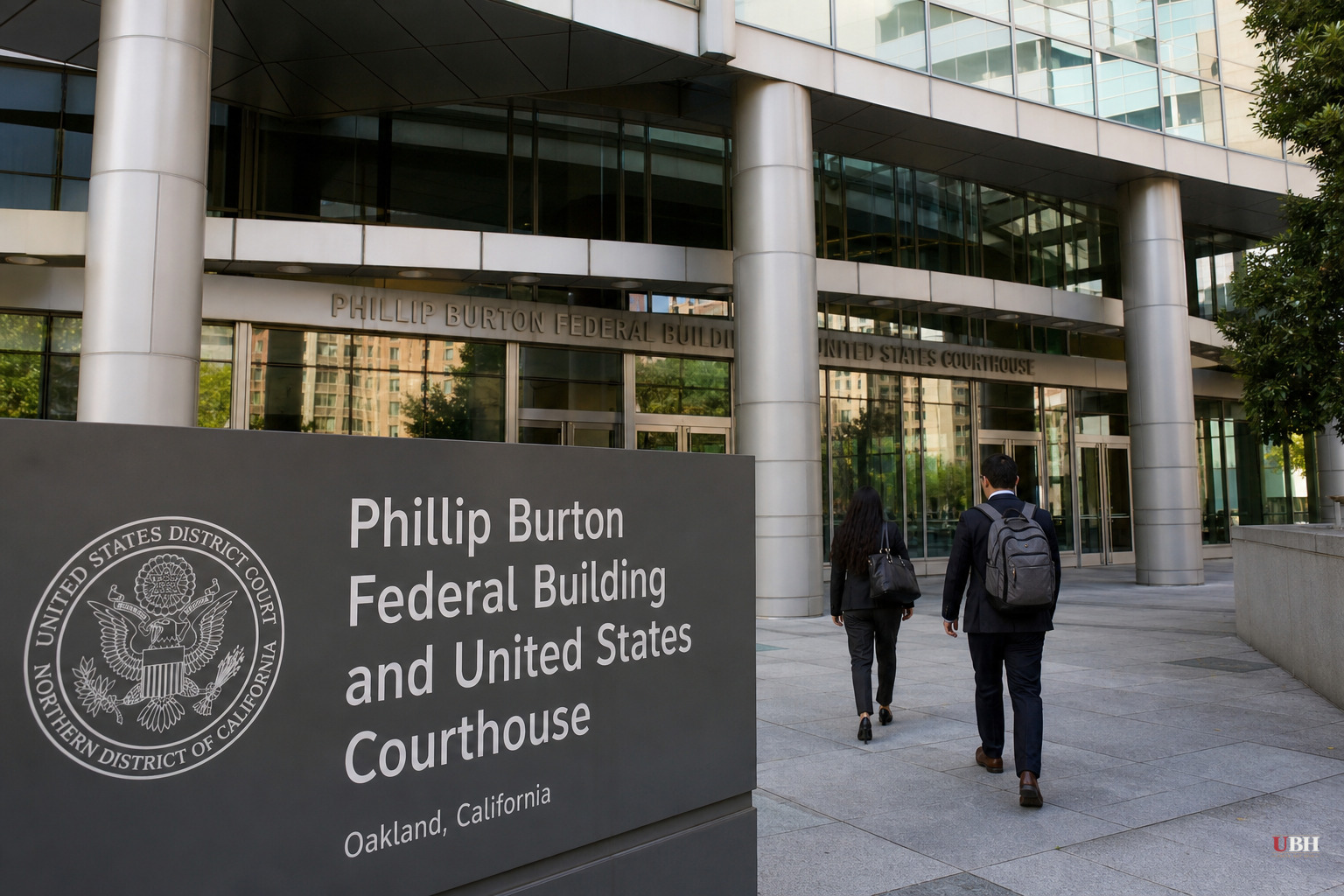
Opening statements are set to begin Tuesday in U.S. District Judge Yvonne Gonzalez Rogers' Oakland courtroom, kicking off a trial expected to run six to eight weeks with Mark Zuckerberg among the executives set to testify.
Four states, California, Colorado, Kentucky and New Jersey, are trying this case on behalf of a 29-state coalition that sued Meta in 2023. The other 25 states will get their own trial later. Meta has said in court filings the states are seeking more than $1 trillion in total damages, a figure Fortune and other outlets have cited as approaching $1.4 trillion across the full coalition.
Kentucky Attorney General Russell Coleman didn't undersell it. "This week, we're in court with the largest consumer protection lawsuit in American history," he said in a statement reported by The Independent. "We'll show a jury that Meta concealed what it knew about the harm its products cause young people because looking away was more profitable."
Meta isn't backing down either. "We are proud of our record in protecting teens on our platforms and the amount of effort that we've put into developing protections over the years, even before these cases were ever filed," the company said in a statement. A separate Meta spokesperson quoted by OPB was more pointed, saying the states "offer no proof anyone in their states was misled" and are trying "to penalize Meta for industry-wide challenges like age verification."
What's actually being litigated
This isn't a case about content kids saw. It's about design. The states argue Meta built features like infinite scroll, autoplay and push notifications specifically to hook minors, then collected data on kids under 13 without parental consent, a violation of the Children's Online Privacy Protection Act, according to AP News.
Duke law professor Stuart Benjamin, cited by OPB, flagged the legal problem baked into that strategy: separating "addictive product design" claims, which sidestep First Amendment and Section 230 protections, from "addictive content" claims, which don't, may be nearly impossible in practice. "Is it all really one unified theory of harm?" he asked.
Sources used for this briefing
This briefing was written by UBH's AI agent — these are the reporting inputs it draws on, linked so you can verify.


