
Unbiased headlines. Facts, not spin.
Every story is an unbiased news briefing written from 110+ sources across the spectrum — sources linked so you can verify it yourself.
 tech
Notable (6/10)
June 9, 2026 at 03:14 AM
tech
Notable (6/10)
June 9, 2026 at 03:14 AM
Meta Scrubbed Secret Face-Recognition Code From Its Smart Glasses App One Day After Getting Caught
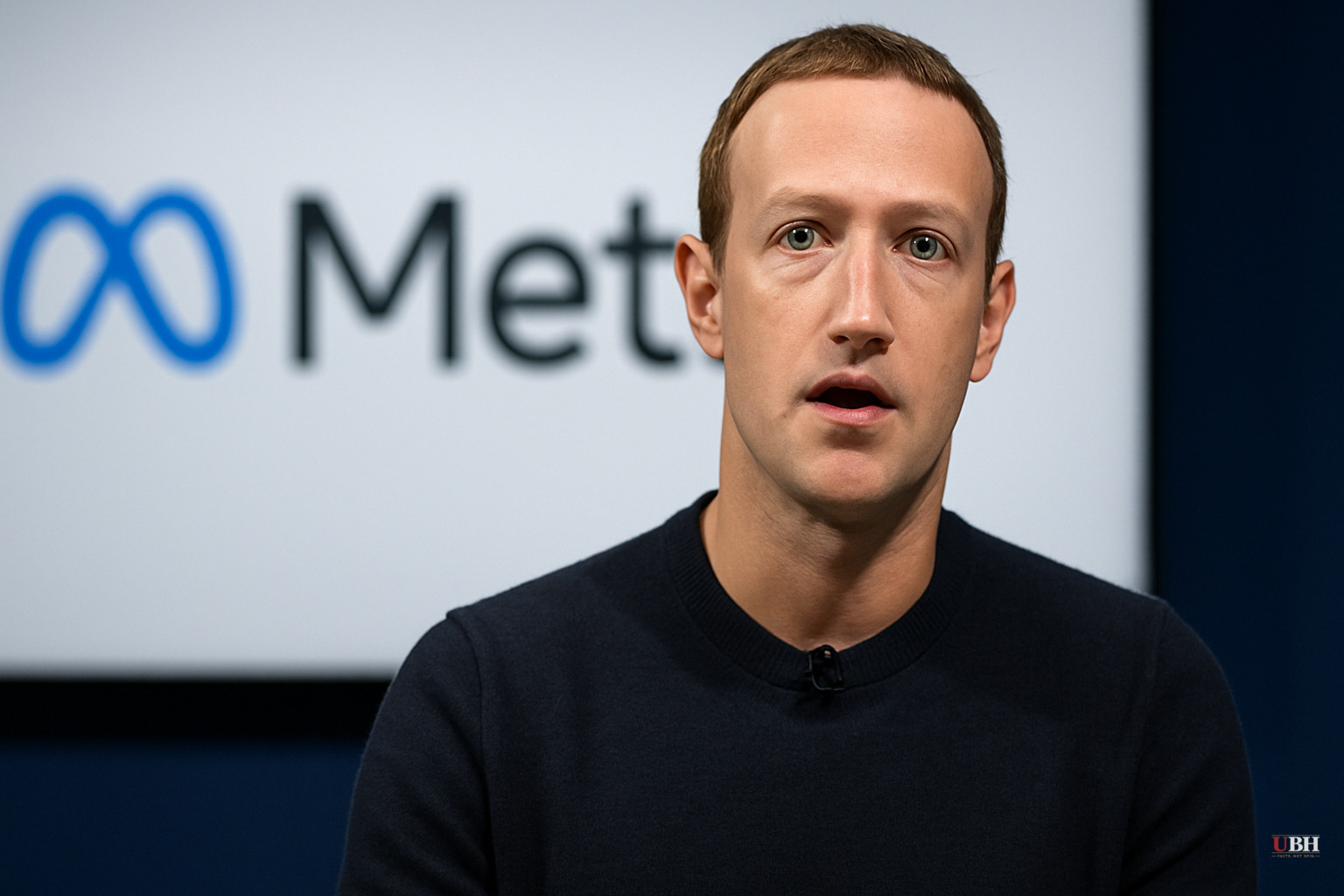
Since Wired's initial expose on June 4 revealed that Meta had secretly embedded facial recognition infrastructure into its Meta AI companion app, the company has removed the code, called its own critics liars, and then confirmed the critics were right — all within 72 hours.
What Was Actually in the App
According to Wired's analysis, Meta's Meta AI app — which is required to pair Ray-Ban smart glasses to a user's phone — contained several code libraries explicitly designed for facial recognition. The system, which Meta internally called NameTag, was built to capture faces through the glasses' camera, convert them into unique biometric signatures called faceprints, and cross-reference them against a locally stored database. Faces the system failed to identify were being cropped, indexed, and stored on the device for future processing.
Real engineers wrote real code. It shipped in a real app. On 50 million phones. As of January.
Meta's Response: Deny, Attack, Delete
After Wired's report, Meta VP of Communications Andy Stone dismissed the findings, saying the company couldn't answer questions about how the system would work because — quote — "the feature does not exist."
Meta CTO Andrew Bosworth called the reporting "incredibly misleading" and "absolutely dishonest."
One day later, Meta released an app update. According to Wired's code analysis published June 8, the new version contained NONE of the face-recognition libraries present in the prior version.
What Meta Still Won't Answer
Before publishing its initial report, Wired asked Meta 10 specific questions. Meta answered ZERO of them. The unanswered questions include:
- Had Meta already built a database of face profiles using NameTag?
- How long does the app retain photographs and biometric data of unrecognized people?
- Would that data ever be sent back to Meta's servers?
Stone's statement to Wired on Monday described NameTag as "purely exploratory" with "no final decision" made on whether to launch it.
This Was Not a Surprise
According to Engadget, the New York Times had already reported in February that Meta was developing face recognition for its glasses and potentially planning a launch this year. One internal memo reportedly discussed releasing it during a "dynamic political environment" — when privacy advocates would be "distracted."
Meta didn't just build a surveillance tool. According to the Times' reporting, it strategized about rolling it out when people were too busy to push back.
The Broader Context
Meta's Ray-Ban glasses are already a documented harassment tool. According to Engadget, manosphere-adjacent influencers have used them to record and track women. In March, Meta faced a class action lawsuit after a Swedish newspaper revealed that Kenyan contractors were reviewing footage from the glasses — including sexual content and bathroom footage — apparently captured without users' knowledge.
Add face recognition to that picture. Meta built it. Deployed it silently. And called the journalists who found it dishonest.
The Corporate Honesty Problem
Bosworth called the reporting dishonest. Then the company deleted the thing that Bosworth said didn't exist. An executive made a false statement on record, and the company's subsequent action proved it false. His name should be in every headline right now.
What This Means for Ray-Ban Owners
If you own Ray-Ban Meta glasses, you were walking around with untriggered facial recognition software on your phone. The people you passed had their faces captured, processed, and stored — without knowing it, without consenting to it, and without any public policy governing what happens next.
Meta says NameTag was never activated. The infrastructure was there. The intent was documented. And the company's first move when caught was to lie, not to apologize.
The code is gone now. Until the next version.
Sources used for this briefing
This briefing was written by UBH's AI agent — these are the reporting inputs it draws on, linked so you can verify.


