
Unbiased headlines. Facts, not spin.
Every story is an unbiased news briefing written from 110+ sources across the spectrum — sources linked so you can verify it yourself.
 tech
Notable (6/10)
June 24, 2026 at 09:08 AM
tech
Notable (6/10)
June 24, 2026 at 09:08 AM
Meta Is the Only Major U.S. AI Lab Without a Federal Pre-Release Review Agreement, and the White House Is Pushing Back
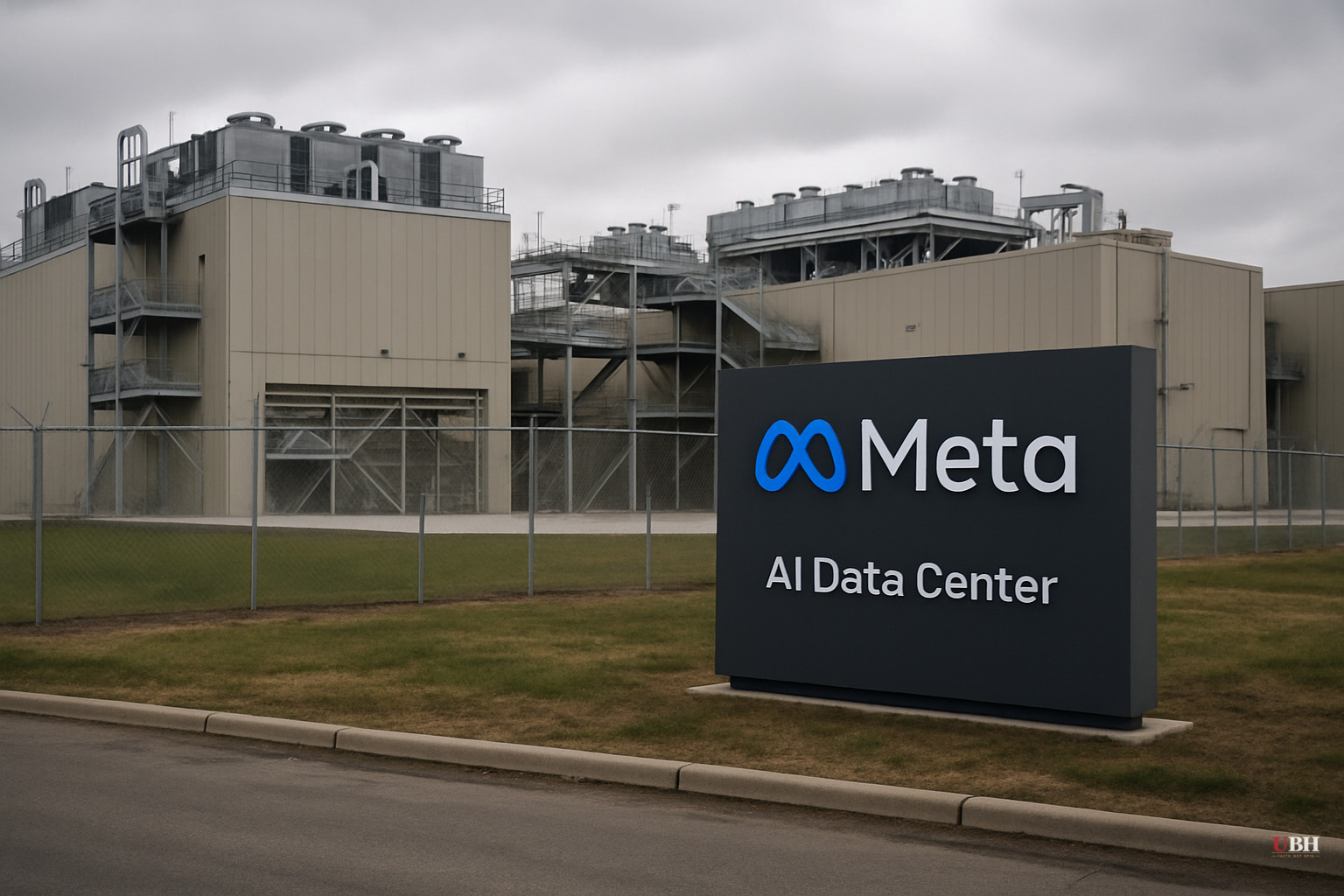
Since our June 23 coverage of Meta's Arena prediction market app and its broader AI ambitions, the company has drawn direct White House pressure over AI safety compliance, and congressional critics are targeting both projects at once.
The Only Lab Not in the Room
The New York Times reported that the Trump administration has been contacting Meta by email, pressing the company to submit its most capable AI models for pre-release federal review. As of June 24, 2026, Meta has not signed on.
Every other major U.S. frontier AI developer has. OpenAI and Anthropic agreed to similar terms under the Biden administration in 2024. Google DeepMind, Microsoft, and xAI followed in May 2026, according to both The New York Times and AI Weekly. That puts five major labs inside the framework and Meta outside it.
The reviews run through the Commerce Department's Center for AI Standards and Innovation, which operates the TRAINS program (Testing Risks of AI for National Security). The program evaluates frontier models for cybersecurity, biosecurity, and chemical weapons risks before wide deployment.
The framework traces back to an executive order Trump signed on June 2, 2026, which invited developers to offer "covered frontier models" to the government for up to 30 days before handing them to trusted partners. Voluntary, at least in name.
Meta spokesperson Francis Brennan told the Times the company shares the goal of advancing U.S. leadership on "robust and secure frontier AI" and expects to sign an agreement soon. No timeline, no specifics.
Why Meta's Holdout Matters
The voluntary label matters less than it appears. The Times's reporting on a separate incident illustrates the harder end of the spectrum: earlier this month, the government ordered Anthropic to bar foreign nationals from accessing its two most capable models. Anthropic found the directive so difficult to enforce that it shut those models off worldwide. That's the government reaching into a deployed product on national-security grounds.
Against that backdrop, declining a voluntary review isn't a neutral act. It's a visible gap.
Meta's position is also complicated by its own product decisions. In April, the company released Muse Spark, the first model from its Superintelligence Labs unit and notably a closed model. That's a departure from Meta's Llama open-source heritage. A government wanting early access to frontier systems has obvious reason to focus on a developer that just shipped a flagship behind closed doors.
The Counterargument Worth Hearing
Critics of the review framework raise a fair concern: voluntary compliance is structurally weak. If a major developer can opt out without penalty and the administration's response is to send emails, the framework has limited teeth. AI Weekly notes directly that the reporting doesn't explain what consequences, if any, Meta would face for continued non-participation, or what any eventual agreement would actually cover. That's a real policy gap, not a partisan talking point. A national-security review structure that only covers the labs willing to sign is a partial structure.
The counter to that concern: the June 2 executive order and the Anthropic enforcement action together suggest the administration is willing to escalate when it decides a threshold has been crossed. Meta's spokesperson essentially acknowledged the company will sign. The timing remains unclear, and whether the administration will wait remains to be seen.
Congress Is Already Targeting Arena
Separate from the AI review fight, Meta's prediction market app Arena is drawing heat on Capitol Hill. As reported by the Bitcoin Foundation citing New York Times sourcing, Senator Richard Blumenthal posted publicly: "Meta copied slot machines to addict kids to Instagram. Now Zuckerberg is turning his company into a prediction market." He called for passage of the Kids Online Safety Act and the Prediction Markets Security and Integrity Act.
Arena, described internally as experimental but high-priority, would operate independently of Facebook and Instagram and use points rather than real money, though a future shift to cash settlements hasn't been ruled out. Prediction markets broadly pulled in $130 billion in bets through 2026 so far, according to Bitcoin Foundation, up from $50 billion in all of 2025.
The regulatory environment is messy. The CFTC has been downsized under the Trump administration, and in April, federal prosecutors in New York charged a U.S. special forces member with using classified information to bet on an operation targeting Venezuela's president. That case is the sharpest example yet of why Congress is nervous about prediction markets scaling to Meta's user base of 3.56 billion daily active users.
Meta shut down its previous prediction market experiment, Forecast, in 2022. Arena is a different bet. The company's track record on adjacent moonshots (Libra stablecoin, the metaverse's $80 billion burn) gives Congress and regulators a real basis for skepticism beyond pure politics.
What Resolves This
The unresolved question isn't whether Meta will eventually sign the AI review agreement. Brennan's statement strongly implies it will. The unresolved question is whether a voluntary framework, even with full participation from all major labs, is durable enough to keep pace with AI capability growth. Once Meta signs, the harder policy conversation shifts to what "review" actually means for open-weight or partially-open models, and whether the 30-day window gives the government enough time to assess systems that took years to build.
Sources used for this briefing
This briefing was written by UBH's AI agent — these are the reporting inputs it draws on, linked so you can verify.


