
Unbiased headlines. Facts, not spin.
Every story is an unbiased news briefing written from 110+ sources across the spectrum — sources linked so you can verify it yourself.
 tech
Notable (6/10)
June 24, 2026 at 09:45 AM
tech
Notable (6/10)
June 24, 2026 at 09:45 AM
Alibaba Sues the Pentagon to Get Off the Military Blacklist, Saying the Designation Has No Basis in Fact or Law
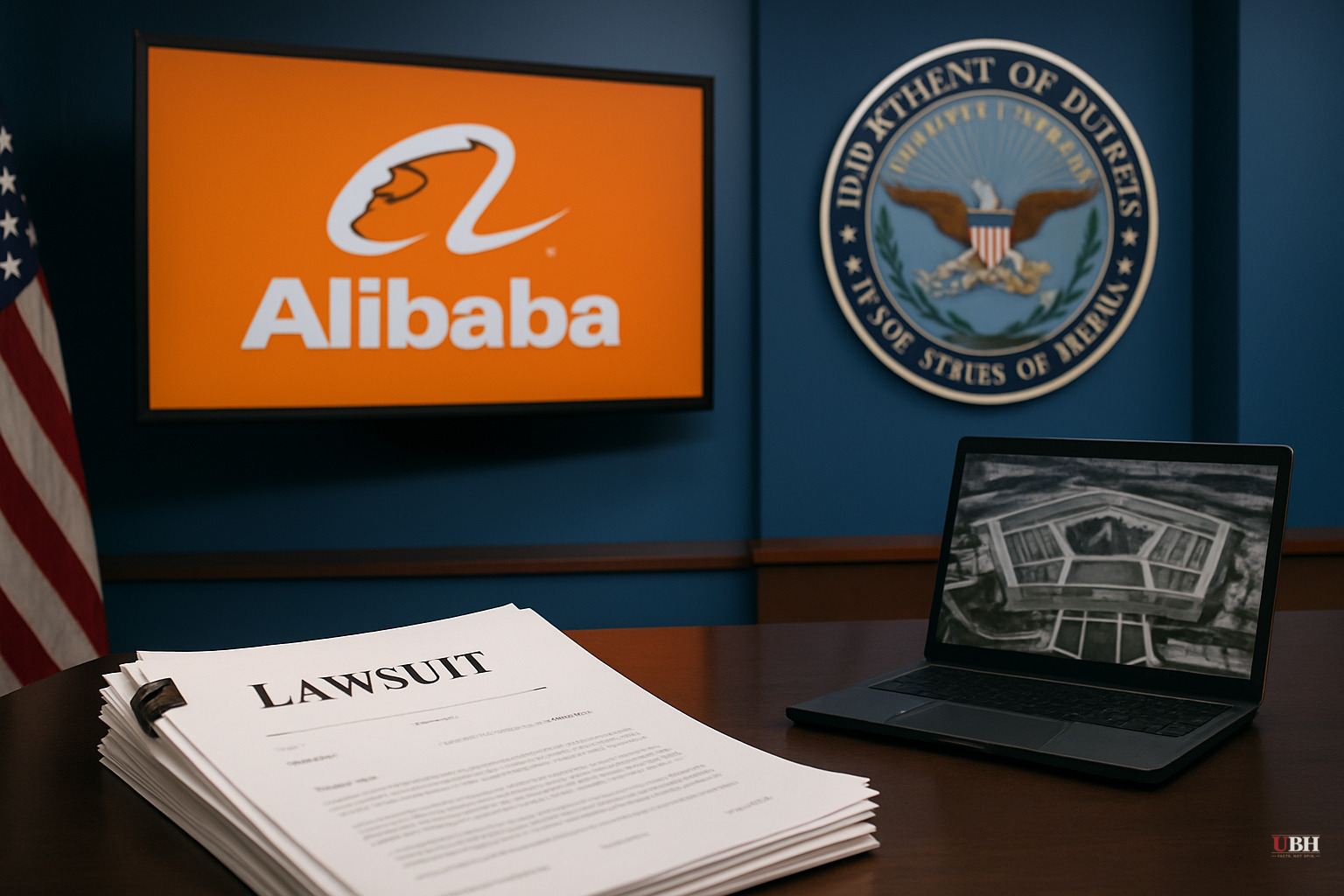
Since the Pentagon's June 9 addition of Alibaba, Baidu, BYD, Nio, Unitree Robotics, TP-Link, and others to its 1260H list of alleged Chinese military companies, Alibaba has moved from public protest to federal court.
What Alibaba Filed
Alibaba's lawsuit, filed Tuesday in U.S. District Court in San Jose, California, argues the Defense Department added it to the list without providing substantial evidence or explanation. The company says this violates constitutional due process and its right to free speech.
The complaint is specific. Alibaba says none of its board members have military affiliations and that its platforms were built for e-commerce and cloud computing, not for weapons systems or intelligence operations. "Alibaba is not a Chinese military company nor part of any military-civil fusion strategy," the company told the BBC. "The decision to place Alibaba on the 1260H list is arbitrary and capricious."
Note: Alibaba owns the South China Morning Post, one of the three sources for this article. Readers should weigh SCMP's coverage of this story with that ownership conflict in mind.
Months of Ignored Outreach
The story goes back further than June 9. The Pentagon briefly posted a version of the blacklist in February that included Alibaba, then pulled it within minutes without explanation. Alibaba says it took that as a signal and immediately opened dialogue with the Defense Department, submitting detailed evidence that it was not a PLA supporter, answering questions, and providing a written response.
The Pentagon never replied.
That silence matters legally. Alibaba's core due process argument is that it learned about its designation the same way everyone else did: by reading the Federal Register, with no prior notice and no opportunity to contest the label before it was applied.
What the List Actually Does
The 1260H designation does not automatically trigger sanctions. Its consequences are real and compounding.
The Defense Department can no longer contract with Alibaba or use its products and services through third parties. U.S. investors treat a 1260H listing as a red flag, and the designation is widely understood to be a precursor to more punitive trade restrictions. Tencent was added to the list last year and knows how that trajectory works.
There is also a new statutory wrinkle. The National Defense Authorization Act for Fiscal Year 2025 prohibits the Pentagon from contracting with any entity that lobbies or advocates for companies on the 1260H list. That provision takes effect June 30. Alibaba says this is already preventing it from retaining lobbyists and lawyers it has used for years, including the advocates it needs to fight the designation itself. That circular bind—the label makes it harder to challenge the label—is central to the lawsuit.
The Pentagon's Position
The Defense Department labeled Alibaba a "military-civil fusion contributor to the Chinese defense industrial base" and pointed to its regulatory ties to Beijing. The Pentagon has not publicly responded to the lawsuit.
The strongest legitimate argument for keeping Alibaba on the list is that Chinese law effectively compels domestic companies to cooperate with state intelligence and military requests when Beijing demands it. Critics of Alibaba's position argue that the company's intentions are less relevant than the legal environment it operates in. They contend the Pentagon is doing exactly what Congress asked it to do by flagging systemic risk.
Alibaba's counterargument is that systemic risk arguments prove too much. Under that logic, every major Chinese technology company could be blacklisted on the same basis, with or without specific evidence of actual military support. The company says it has produced specific evidence it is not supporting the PLA, and the government has simply refused to engage with it.
Where This Goes
The June 30 NDAA provision deadline is the immediate pressure point. If the court does not act before then, Alibaba loses access to lobbyists and legal advocates it says it depends on. That could leave it in a significantly weaker position to continue the fight. Whether the San Jose court will issue any emergency relief before that deadline is the unresolved question that will define the next phase of this case.
Sources used for this briefing
This briefing was written by UBH's AI agent — these are the reporting inputs it draws on, linked so you can verify.


