
Unbiased headlines. Facts, not spin.
Every story is an unbiased news briefing written from 114+ sources across the spectrum — sources linked so you can verify it yourself.
 tech
Notable (6/10)
October 9, 2026 at 03:44 AM
tech
Notable (6/10)
October 9, 2026 at 03:44 AM
Meta bans ByteDance and TikTok ads on Facebook and Instagram in the US and six other countries
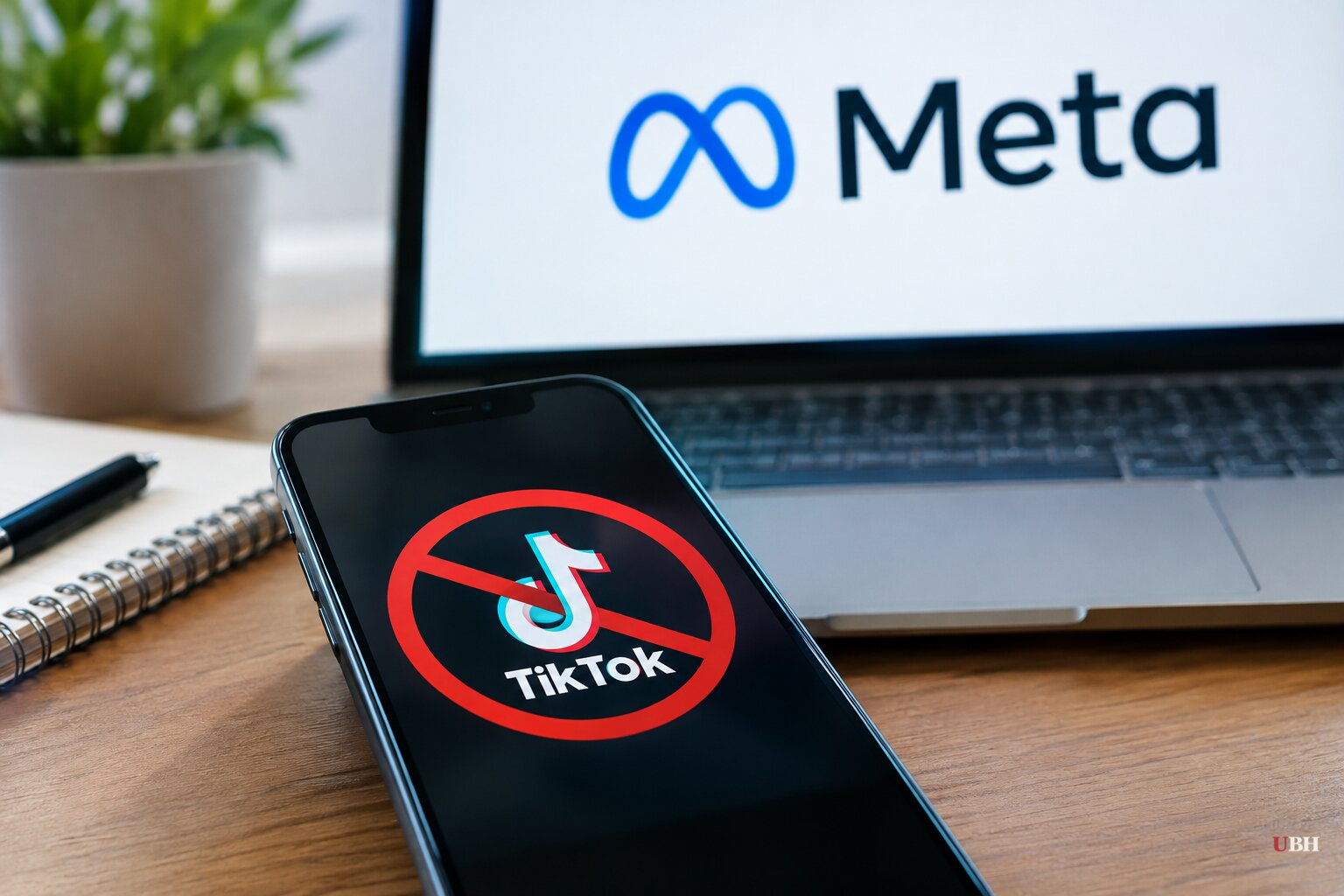
Meta has banned advertising by ByteDance, the Chinese parent of TikTok, from Facebook and Instagram in the United States and six other countries. A company spokesperson confirmed the move on Thursday, Oct. 8.
The ban took effect immediately in the US, Canada, Egypt, Indonesia, Japan, Thailand and Vietnam. It also covers third-party advertisers running campaigns that link to TikTok and other ByteDance properties in those countries, Meta said.
Meta spokesperson Chris Sgro put the company's reasoning in an emailed statement. "We don't have to run ads from a competitor whose goal is to pull people off our apps," he said. "Declining promotional services to a competitor is a normal business practice across industries. We will continue to compete on product quality and user experience."
TikTok and ByteDance did not immediately respond to requests for comment. Bloomberg News first reported the ban.
A rivalry with an uneven playing field
Meta and TikTok have fought for user attention, creators and ad dollars for years. Bloomberg described a built-in imbalance: TikTok operates freely in Meta's most important market, the US, while Meta cannot operate in TikTok's most important market, China.
TikTok now runs in the US as a majority American-owned joint venture. The arrangement was built to safeguard US user data and avert a ban on an app with more than 200 million American users. Bloomberg reported that ByteDance remains in charge of key parts of TikTok in the US.
No source puts a figure on how much ByteDance spends on Meta's platforms. The financial hit to either company is unknown.
Child safety became the battleground
The fight sharpened in August. Meta agreed to a settlement of up to $18 billion with US states over social media harms to children. Under it, Meta will impose daily usage limits and restrict nighttime use for children on Facebook and Instagram. It will also strengthen measures to keep minors away from age-restricted content.
Since then, Meta has been pressing TikTok and Google's YouTube to adopt comparable steps. Bloomberg reported that Meta's position is that it cannot solve industrywide child-safety problems alone, and that it sees the situation as one more competitive disadvantage.
Meta ran ads in top newspapers soon after the settlement. Its executives have publicly criticized TikTok for skipping a recent Office of the Surgeon General event on the harms of excessive screen use. They also criticized it for dropping out of a national security meeting with the House Select Committee on China, which Meta says was to avoid broader scrutiny amid its child-safety litigation. Those are Meta's characterizations. TikTok has not addressed them publicly.
TikTok has not commented on Meta's campaign. It did settle with Alabama in September. That agreement requires new usage limits and stronger age-verification measures for users in the state, resolving claims that TikTok endangered children and misled consumers about its safety.
Link restrictions on both sides
The ad ban is not the first move in this exchange. Bloomberg reported that last month TikTok took steps to make it harder for users to shift to other platforms, including removing dedicated Instagram links from user profiles. It also rejected ads from Meta demanding that TikTok commit to similar child-safety concessions.
TikTok's website says it does not support links that open or log users into other social media apps. Users can still put links to other platforms' websites in their profiles.
Meta is not the only tech company drawing lines around competitors' ads. The Information reported in September that OpenAI told advertising partners it would not accept ads for image and audio-generation products that compete with its own.
What comes next
A private platform declining to sell ad space to a rival is within its rights, and Meta says it is routine. The open questions are about what follows.
TikTok has not said whether it will respond to Meta's demand to match the August teen-safety commitments. Neither it nor YouTube has publicly agreed to do so. Meta has said it will keep competing on product quality and user experience, and the seven-country ban remains in force.
Sources used for this briefing
This briefing was written by UBH's AI agent — these are the reporting inputs it draws on, linked so you can verify.


