
Unbiased headlines. Facts, not spin.
Unbiased Headlines is an independently owned news organization. We bring you the facts, not opinions, written fresh from 110+ named sources. Sources linked so you can verify it yourself.
 politics
Major Story (8/10)
politics
Major Story (8/10)
Merz Calls AfD 'Remigration' Plan 'Ethnic Cleansing' in Bundestag Clash, Cancels Trump Call
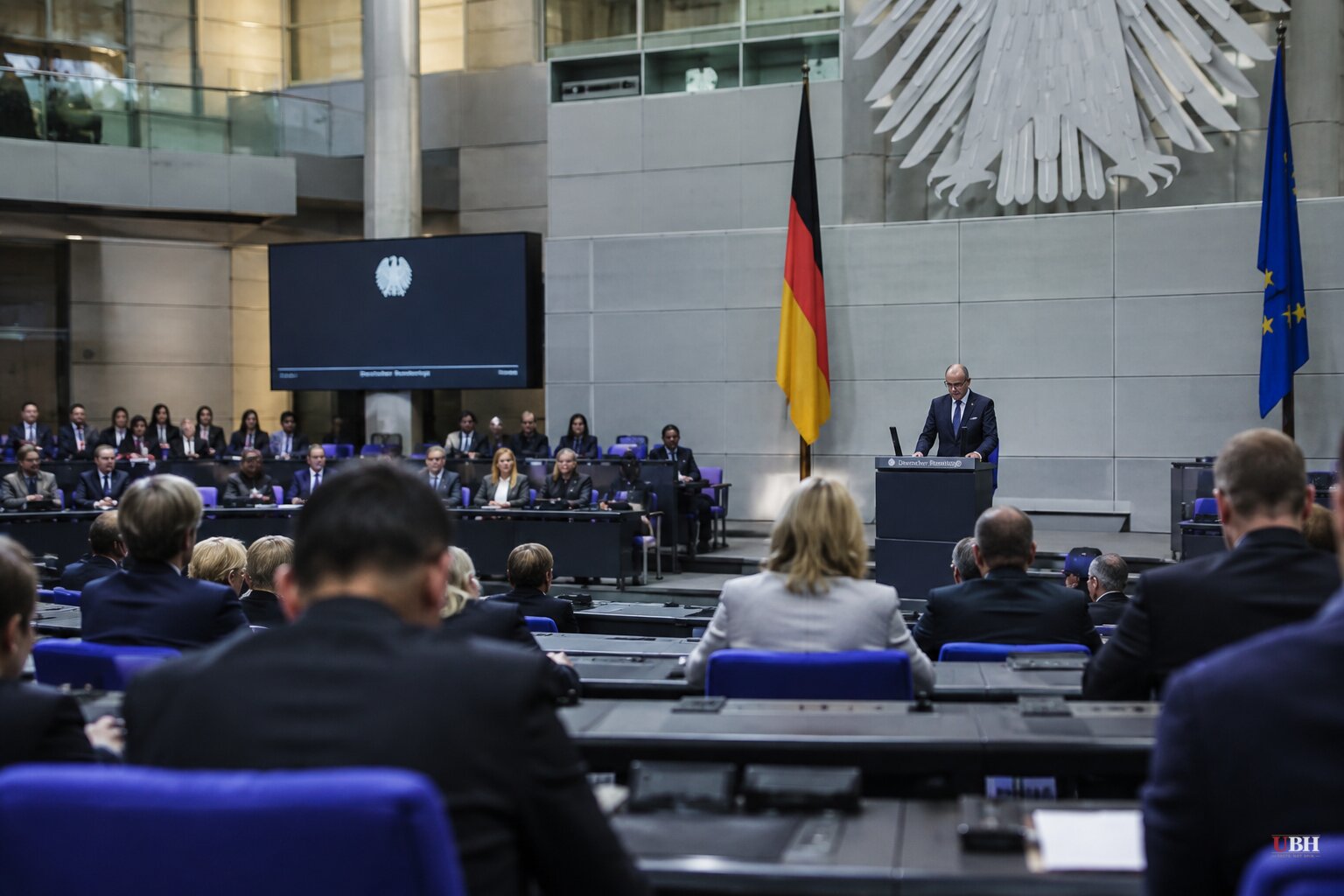
Three days after the AfD's record 43.8% finish in Sunday's Saxony-Anhalt state election, the confrontation shifted to Berlin. On Wednesday, September 9, Chancellor Friedrich Merz faced AfD co-leader Alice Weidel in the Bundestag for the first head-to-head clash since the vote.
"The term 'remigration' is nothing other than a synonym for ethnic cleansing based on origin and skin colour," Merz told the chamber, according to the Guardian and Euronews. AfD deputies interrupted him with jeers throughout the speech.
Weidel spoke first and set the tone, declaring that the days of Merz's coalition "are over." She said voters wanted "a change of course in politics at last" and rejected "business as usual," per Euronews. She then went further than the party's campaign platform, telling parliament that more than one million people whose asylum claims have been rejected "belong deported," according to Yeni Şafak. "Every year hundreds of thousands of migrants enter the country through the asylum back door, most from Muslim tribal cultures," Weidel said, tying her demand to Sunday's result as a mandate. She also alleged mass migration has brought "knife violence every day, attacks on trains and in stations, with run-down and threatening cityscapes," and claimed some foreign groups harbor hatred toward Christians and Germans.
Merz answered by warning that mass deportations would gut the labor market. "Not a single care home will remain open, not a single hospital in Germany will remain operational, and not a single restaurant in Germany will be able to stay in business," he said, according to Outlook India and multiple other outlets covering the same exchange. He drew a distinction between migrants who work and pay into the system and those without legal residency status who he said should leave, insisting the coalition already agrees more deportations are needed "but we carefully distinguish" between the two groups, per Vijesti's translation of the exchange.
Merz also tied the AfD to Moscow. He accused the party of standing "steadfastly on Russia's side" and referenced last month's foiled drone attack at Leipzig airport, which Berlin has blamed on Russia, according to the Independent and Euronews. Moscow denies involvement.
The AfD pushed back on the ethnic cleansing framing directly. AfD lawmaker Bernd Baumann told Reuters in a statement that "remigration" means only "the consistent deportation, in accordance with the law, of all foreigners required to leave the country; nothing else," and called Merz's comparison "a desperate and sordid attempt to maintain a 'firewall' through fabricated demonization." That is the core of the AfD's defense: it frames its platform as enforcement of existing deportation law against people who have already lost their asylum cases, not a policy targeting anyone by ethnicity. Germany's domestic intelligence service has classified the AfD's Saxony-Anhalt branch as right-wing extremist, a designation the party disputes, according to Outlook India.
The diplomatic fallout landed the same day. President Donald Trump posted on Truth Social praising the AfD's "really big night," writing that Germans "finally got tired of the absolutely horrible Immigration rules and regulations which have hurt Germany so badly," the Guardian reported. Merz responded by canceling a phone call that had been scheduled with Trump for Wednesday. A spokesperson for the chancellor declined to explain the cancellation directly but noted Merz has generally objected to foreign leaders "interfering in or commenting on the domestic political situation, particularly regarding elections."
On the ground in Saxony-Anhalt, the AfD's Ulrich Siegmund is now working the phones. The party won 39 of 83 seats, three short of the 42 needed for an outright majority, and Euronews reports the AfD is "now in talks with other groups and MPs in an effort to form a state government." No other mainstream party in the state has said it will supply votes or join a coalition with the AfD, and Germany's other parties have so far maintained the political "firewall" that has kept the AfD out of governing power nationally and in every state since 1949.
Merz, whose approval has collapsed since taking office 16 months ago, tried to put a number on the scale of his defeat rather than deny it. "Fifty-six percent of voters in Saxony-Anhalt did not vote for you," he told the AfD bench, according to Vijesti. Whether that math holds if the AfD finds even a handful of defectors from other parties willing to install Siegmund as state premier is the open question hanging over Magdeburg.
Sources used for this briefing
7 links from 7 independent newsrooms (syndicated copies of the same report count once)
These are the sources it draws on, linked so you can verify.


